 Anacortes
 Asphalt Shingle Roofing Built for Skagit County Weather
Sedro-Woolley sits inland from Anacortes in the Skagit Valley, but it shares the same weather pattern that defines roofing work across this part of Washington: long stretches of wet weather, heavy fall and winter rain, and enough shade and moisture in older neighborhoods to keep moss and algae thriving year-round. A roof out here isn't just shedding water a few times a year — it's managing near-constant dampness for months at a stretch, with only a short dry window in summer to fully recover.
Asphalt shingles remain the most practical roofing material for the vast majority of homes in this area, and for good reason: installed correctly, with the right underlayment and ventilation behind them, they hold up well against everything Skagit County throws at them. The problems homeowners run into almost always trace back to shortcuts taken during installation, not a failure of the material itself. This page covers what a shingle roof needs to survive here, what a correct installation actually involves, and how our process works for Sedro-Woolley homeowners.
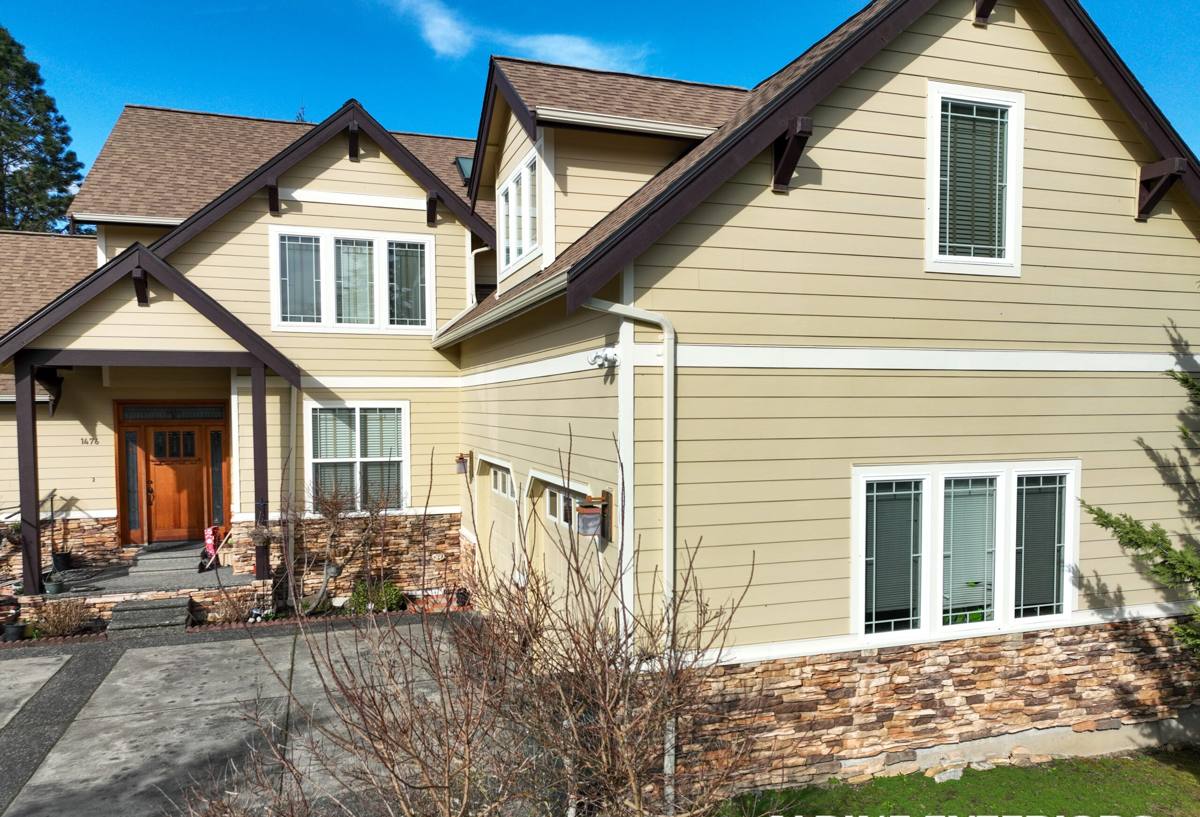
What Local Weather Does to a Shingle Roof Over Time
Moss and Organic Growth
Shaded roof sections, north-facing slopes, and areas under overhanging trees stay damp longer than the rest of the roof after a rain event. That extended moisture is exactly what moss spores need to take hold. Once moss establishes itself, it doesn't just sit on top of the shingles — it works into the tab edges and granule surface, lifting shingles slightly and holding water against the roof deck. Left unaddressed for a few seasons, that constant moisture exposure shortens the life of the shingle and can lead to deck rot underneath.
Wind-Driven Rain and Prolonged Wet Periods
The Skagit Valley gets its share of driving rain during winter storm systems, and wind-driven rain behaves differently than a straight downpour — it can push under shingle edges and find its way into flashing details that would be fine in calmer conditions. A roof that's only built to handle vertical rainfall, without proper underlayment and flashing at the vulnerable points, will eventually leak during the wrong storm.
Temperature Swings and Freeze-Thaw Cycles
This area doesn't see extreme cold, but it does see enough freeze-thaw cycling in winter to matter. Water that gets trapped in a poorly ventilated attic or under compromised shingles can freeze, expand, and accelerate damage that started as a small moisture issue. Good attic ventilation is as much a part of a correct roofing job as the shingles themselves.
Choosing the Right Shingle for This Climate
Not every asphalt shingle product is built the same way, and the differences matter more here than in a drier climate. The table below covers the main categories we work with and how they hold up under Skagit County conditions.
| Shingle Type | Typical Lifespan | Moss/Algae Resistance | Best For |
|---|---|---|---|
| 3-Tab Standard | 15-20 years | Low unless treated | Budget-conscious re-roofs on simple rooflines |
| Architectural/Laminate | 25-30 years | Moderate to good with algae-resistant granules | Most Sedro-Woolley homes; better wind and impact performance |
| Algae-Resistant (AR) Laminate | 25-30+ years | Good — copper/zinc granules actively resist growth | Shaded lots, tree-heavy properties, north-facing slopes |
| Impact-Resistant (Class 4) | 30+ years, often longer warranty | Good, similar to standard laminate | Homeowners wanting maximum durability and possible insurance credit |
For most homes in this area, we steer people toward algae-resistant laminate shingles by default, especially on any roof with shade from mature trees. The upfront cost difference is modest compared to the years of extra service life and the reduced need for moss treatments down the road.
What a Correct Asphalt Shingle Installation Actually Involves
Tear-Off and Deck Inspection
We don't install new shingles over old ones. A full tear-off lets us actually see the roof deck — soft spots, rot, or old water staining that would otherwise get sealed in and hidden for years. Any damaged sheathing gets replaced before anything new goes down.
Underlayment and Ice-and-Water Barrier
Given how much sustained moisture this region deals with, we don't treat underlayment as an afterthought. Synthetic underlayment across the field of the roof, with self-adhering ice-and-water barrier at eaves, valleys, and roof penetrations, gives the deck a second line of defense if wind-driven rain ever gets past the shingles themselves.
Ventilation
A shingle roof is only as good as the airflow behind it. Balanced intake and exhaust ventilation keeps the attic dry and temperature-stable, which protects both the shingles from the underside and the deck from trapped moisture. This is one of the most commonly skipped steps in cheap re-roofs, and it's one of the biggest contributors to premature failure in wet climates like ours.
Flashing at Every Transition
Chimneys, skylights, sidewalls, and valleys are where the overwhelming majority of roof leaks actually start — not the open field of shingles. Correct flashing, properly integrated with the underlayment and shingle courses rather than just caulked over, is non-negotiable on every job we do.
Nailing Pattern and Manufacturer Specifications
Every shingle manufacturer specifies exact nail placement and count for their product's wind and warranty rating to hold. We follow those specs precisely — it's the difference between a shingle that stays put in a winter windstorm and one that starts lifting at the tabs within a few years.
Signs Your Sedro-Woolley Roof May Need Attention
- Visible moss growth, especially on shaded or north-facing slopes
- Granules collecting in gutters or at downspout outlets
- Shingle tabs that are curling, cupping, or lifting at the edges
- Dark streaking across the roof surface (algae staining)
- Daylight visible through the attic roof deck, or damp insulation below it
- Soft or spongy spots when walking the roof during an inspection
- Flashing that looks rusted, separated, or over-caulked as a past patch job
- Interior ceiling stains, especially after a heavy rain event
Any one of these on its own isn't necessarily an emergency, but they're worth having looked at before the next wet season rather than after a leak shows up inside the house.
Our Process for Sedro-Woolley Homeowners
1. On-Site Inspection and Honest Assessment
We walk the roof, check the attic when accessible, and tell you plainly whether you're looking at a repair, a partial re-roof, or a full replacement. We're not going to sell a full tear-off if a targeted repair will genuinely hold.
2. Written Estimate
You get a clear, itemized estimate covering material choice, tear-off, underlayment, ventilation work, and flashing — no vague lump-sum guessing.
3. Scheduled Installation
We plan around the weather where we can, since a multi-day tear-off in the middle of a Skagit Valley storm system is asking for trouble. Materials are staged, the property is protected, and the crew works the job start to finish rather than leaving a deck exposed overnight without protection.
4. Final Walkthrough and Cleanup
We inspect the finished roof with you, cover care and maintenance expectations for this climate, and make sure the property — gutters, landscaping, driveway — is cleared of debris and nails before we leave.
Maintenance That Actually Extends Roof Life Here
A correctly installed shingle roof in this climate still benefits from basic upkeep. Keeping gutters clear so water isn't backing up under the eave line, trimming back branches that shade the roof and keep it damp, and addressing moss early with a proper treatment rather than pressure washing it off — pressure washing strips granules and shortens shingle life — all add years to a roof's service life. We're happy to point out what a given roof needs during any visit, whether it's a repair call or a routine check.
Why It Matters to Hire a Crew That Already Works This Area
Roofing crews who mainly work drier climates or unfamiliar regions sometimes underbuild for what this area actually experiences — lighter underlayment, minimal ventilation, flashing details that would be fine somewhere with less sustained rain but fall short here. A crew that regularly works Sedro-Woolley and the greater Anacortes area already knows which slopes hold moss, which older neighborhoods have ventilation issues built into the original construction, and what actually needs to change versus what's just cosmetic. That local knowledge shows up in fewer callbacks and a roof that's genuinely built for the weather it has to survive, not just weather in general.
If you're dealing with an aging shingle roof, active moss growth, or you just want an honest read on how many years you've got left before replacement makes more sense than another repair, we're glad to take a look. Fill out the form below for a free, no-pressure estimate.