 Anacortes
 Guemes Island's Marine Climate Is Hard on Siding
Guemes Island sits in the marine waters just off Anacortes, reached by a short ferry ride across Guemes Channel. That setting is part of what makes the island a great place to live — and part of what makes it a tough place to keep a home's exterior in good shape. Salt-laden air moves off the surrounding water and settles on siding, trim, and fasteners year-round. Driving rain pushes sideways into wall assemblies during winter storms, and the heavy tree cover on much of the island keeps many homes shaded and damp for long stretches of the year. Layer in Skagit County's long, gray moss season, and you have a combination that punishes any siding product that isn't built and installed for it.
We install James Hardie fiber cement siding exclusively, and Guemes Island is a good example of why. Wood-based sidings swell, rot, and feed moss in these conditions. Vinyl can hold up structurally but does little to stop moisture from working behind it, and it fades and turns brittle faster in salt air than most homeowners expect. Hardie's fiber cement composition doesn't feed mold or moss the way wood-based products can, doesn't rot, and holds its factory finish far longer in a marine environment — but only when it goes on correctly.
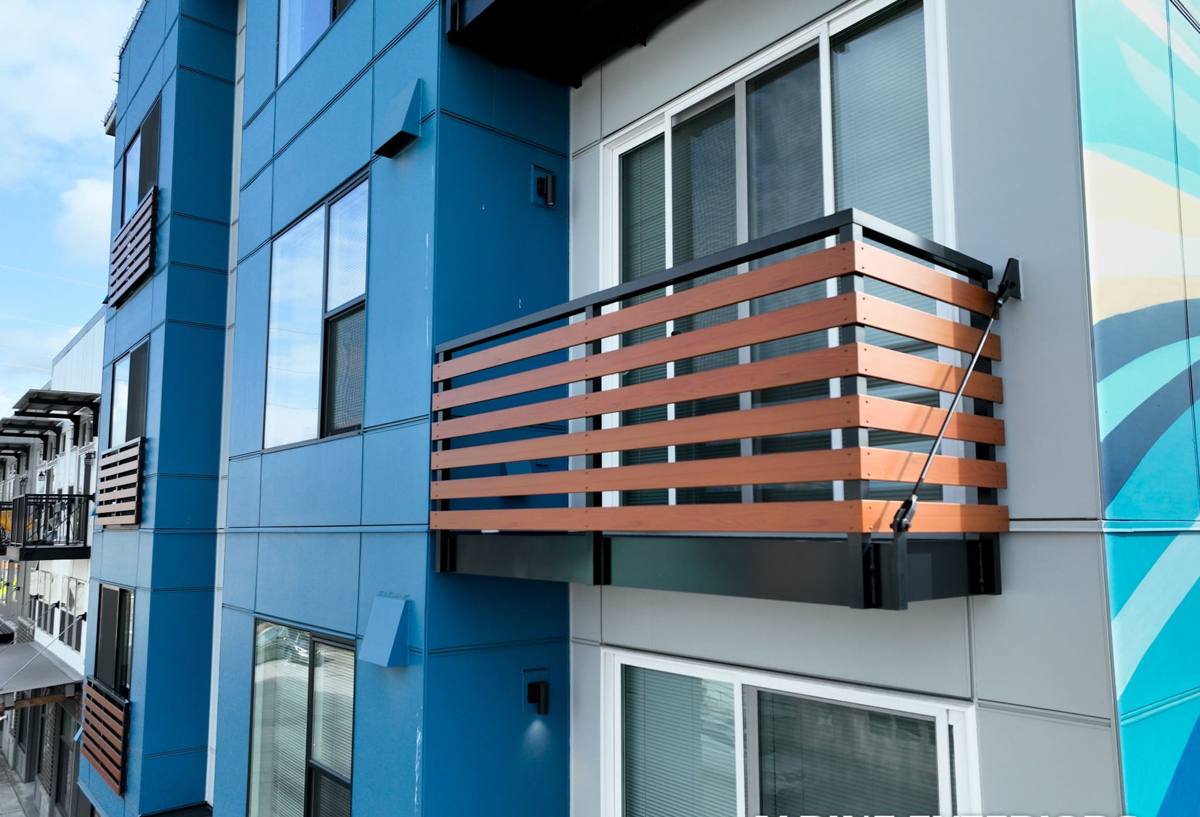
What Correct Installation Means on an Island Property
James Hardie siding is only as good as the crew that installs it. On Guemes Island, where a callback means catching a ferry, the margin for error is smaller than it is on a typical mainland job. A few details matter more here than elsewhere.
The Right Product Line for the Zone
James Hardie engineers its siding by climate zone. Guemes Island and the rest of Skagit County fall in the HZ5 zone, built for regions that see freeze-thaw cycles combined with sustained damp weather — which describes this stretch of Washington accurately. HZ5 products are formulated and tested for exactly this kind of exposure, and using the correct zone product is not optional if you want the warranty to mean anything.
Flashing and Water Management
Fiber cement siding is not a waterproofing membrane by itself — the wall assembly behind it is what actually keeps water out. On a home taking direct or wind-driven rain off the water, that means correct window and door flashing, properly lapped weather-resistant barrier, kick-out flashing at roof-to-wall intersections, and drainage gaps where the siding meets trim and foundation. Skipping these details is invisible on installation day and expensive two or three winters later.
Fastening and Gapping
Hardie specifies fastener type, spacing, and placement for a reason — get it wrong and you get nail pops, cracking at the fastener line, or panels that don't perform as rated. Butt joints and panel gaps need to be sized correctly and, in many cases, sealed or flashed rather than simply caulked, since caulk alone is a maintenance item, not a permanent fix.
ColorPlus Factory Finish vs. Field Painting in Salt Air
James Hardie's ColorPlus finish is baked on at the factory in multiple coats and backed by its own finish warranty — a meaningfully different product than field-primed siding that gets painted on site. In a salt-air environment, that difference shows up faster. Field-applied paint has to fight adhesion problems from surface contaminants and inconsistent cure conditions; a factory finish doesn't have those variables. For Guemes Island homes, especially anything close to the shoreline, we default to ColorPlus for that reason — less touch-up, longer color life, and one less maintenance cycle to plan around.
Moss and Algae: The Island's North-Side Problem
Guemes Island's mix of mature trees and marine humidity creates a lot of shaded, slow-to-dry wall area — the exact conditions moss and algae need. This is less about the siding material itself and more about how a home is built and finished:
- Proper starter strip and ground clearance so siding isn't sitting in splash-back or ground moisture
- Gutter and downspout placement that keeps runoff off the wall face, not concentrated onto it
- Trim details and caulking that don't create ledges where moisture and debris collect
- A finish color and sheen that show algae staining less and clean up more easily
Fiber cement doesn't feed mold and moss the way wood fiber does, but no siding is immune to growth sitting in a shaded, damp microclimate. Getting the details above right at installation is what actually keeps the north and west walls of an island home looking clean for years instead of months.
Why Logistics Matter More for a Guemes Island Job
A siding job on Guemes Island isn't just a mainland job with a ferry ride tacked on. Material delivery, crew scheduling, dumpster and debris removal, and any mid-project fix all have to work around ferry sailings, and the island has a smaller window for last-minute runs to a supply house. A crew that hasn't planned for that ends up costing the homeowner in delays, or worse, in shortcuts taken to avoid an extra trip.
| Factor | Mainland Anacortes Job | Guemes Island Job |
|---|---|---|
| Material staging | Deliver as needed, mid-project top-offs are easy | Materials calculated and staged up front to avoid extra ferry trips |
| Crew scheduling | Flexible daily start/end times | Built around ferry sailing times, tide-dependent for some waterfront access |
| Debris removal | Standard dumpster pickup schedule | Coordinated hauling to fit ferry availability |
| Punch-list fixes | Quick return visit | Bundled into planned trips to keep costs reasonable |
None of this makes a Guemes Island project impossible — it just means a crew that's done it before will plan the job differently from day one, rather than learning the island's constraints on the homeowner's dime.
Our Process for a Guemes Island Siding Project
- On-site assessment. We look at wall assembly condition, existing moisture or moss damage, trim and flashing details, and sun/shade exposure on each elevation before quoting anything.
- Product and color plan. We spec the correct HZ5 James Hardie product for each application — lap siding, panel, or trim — and walk through ColorPlus options suited to the site's exposure.
- Logistics plan. Material quantities, delivery timing, and crew scheduling are worked out around ferry sailings before a start date is set, so the project isn't paused waiting on a supply run.
- Removal and prep. Old siding comes off, the wall assembly is inspected for hidden rot or moisture damage, and any needed repairs to sheathing or framing happen before new siding goes up.
- Water management and installation. Weather-resistant barrier, flashing, and drainage gaps go in first, then Hardie siding is installed to manufacturer fastening and clearance specs.
- Final walkthrough. We review the finished work with the homeowner and cover basic care so the siding performs the way it's rated to.
Cost Factors on a Guemes Island Project
Every home is different, but a few factors move the price on an island job more than they would on a comparable mainland project:
| Factor | Why It Matters Here |
|---|---|
| Home access and site conditions | Narrow or wooded driveways common on the island can limit equipment and staging space |
| Ferry-dependent logistics | Material and crew scheduling around sailings can affect timeline more than mainland jobs |
| Existing wall damage | Homes with long-term moss or moisture exposure sometimes need sheathing repair before siding goes on |
| Product line and finish | ColorPlus finishes and heavier trim packages cost more than base lap siding but reduce long-term maintenance |
| Elevation exposure | Sides facing prevailing wind and rain may need extra flashing detail that adds labor |
We give straightforward, itemized estimates so homeowners can see exactly what's driving the number rather than a single lump figure.
Maintenance Checklist for Guemes Island Homeowners
Correctly installed James Hardie siding is low-maintenance, not no-maintenance. A short annual routine keeps it performing as intended in this climate:
- Rinse siding annually, especially shaded north and west walls, to keep salt residue and organic buildup from settling in
- Check caulking at trim, window, and door joints each year and re-caulk any cracked or separated joints
- Keep gutters clear so runoff doesn't sheet down the wall face
- Trim back tree limbs and brush holding moisture against the siding
- Watch for moss or algae starting on shaded elevations and address it early, before it spreads or stains
- Inspect flashing above windows, doors, and roof-to-wall intersections after major storms
Why It Matters to Hire a Crew That Already Works This Island
Guemes Island isn't a large market, and that's exactly why experience here counts for something. A crew that's already worked island projects knows the ferry schedule, has a realistic sense of how long material and debris logistics actually take, and has seen firsthand how the local combination of salt air, shade, and rain affects a home over time — not just in theory. That translates into fewer surprises during the project and a better chance the finished siding actually performs the way it's supposed to for the next several decades.
If you're weighing a siding project on Guemes Island, we're happy to take a look and give you a straightforward, no-pressure estimate — use the form below to get started.