 Anacortes
 Siding in Skyline: Built for Anacortes Weather, Not Just the Anacortes Market
Skyline sits close enough to the water that homes here live with salt-laden air, wind-driven rain off Rosario Strait and the Guemes Channel, and a wet season that stretches on far longer than most homeowners who move here from inland areas expect. Siding on a Skyline home isn't decorative — it's the first line of defense against a climate that spends most of the year finding ways to get moisture behind your exterior. We've worked on homes throughout this part of Anacortes and Skagit County long enough to know which failure points show up here again and again, and we build our siding installs specifically to avoid them.
This page walks through what Skyline homes tend to face, how we approach siding, roofing, window, and deck work for properties in this area, and why the product we choose to install matters as much as the crew installing it.
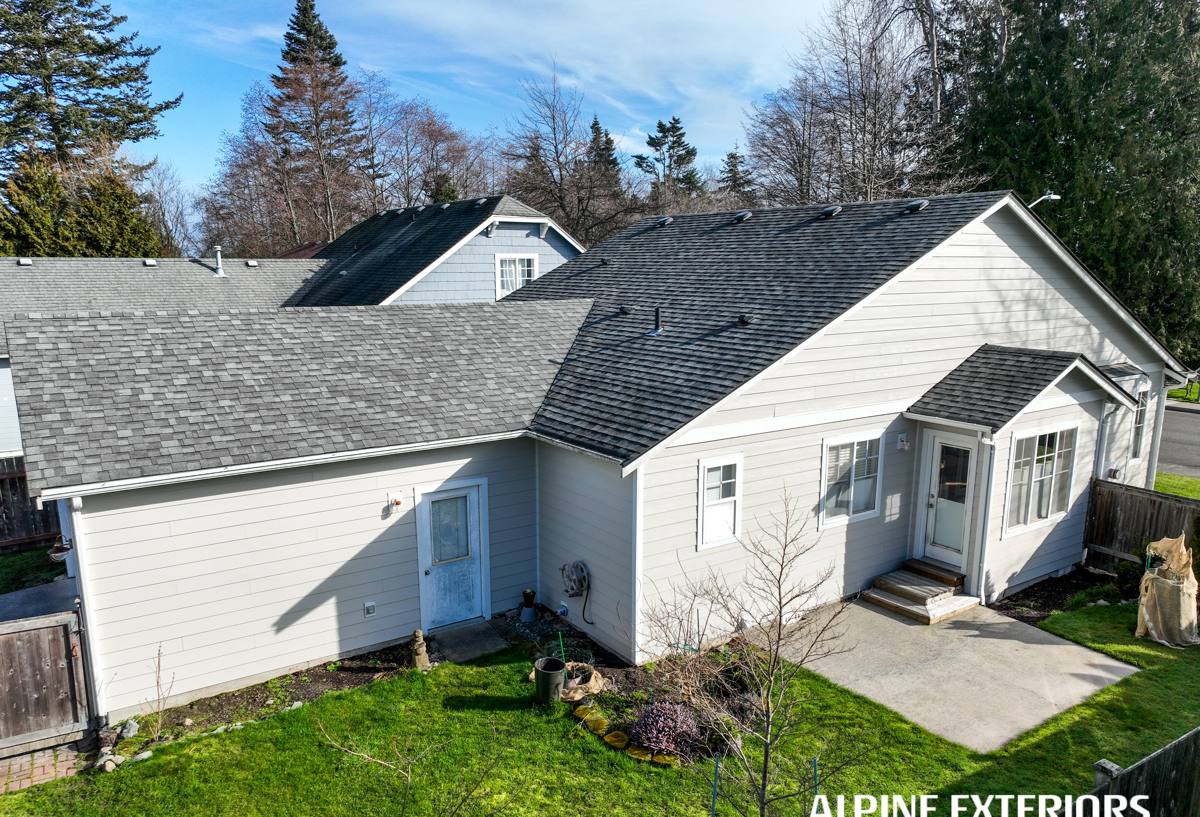
What Skyline's Climate Actually Does to a House
Salt Air and Corrosion
Proximity to marine water means airborne salt settles on every exterior surface — siding, trim, fasteners, flashing. Over years, salt exposure accelerates corrosion on lower-grade fasteners and metal trim, and it degrades certain paint and coating systems faster than manufacturers' standard testing accounts for. It also has a way of finding hairline gaps in siding joints and working them wider over time.
Driving Rain
Storms coming off the water don't just fall straight down — wind pushes rain sideways into wall assemblies, seams, and anywhere trim meets siding. A siding system that handles vertical rain fine can still let water in when it's hitting the wall at an angle, which is a normal weather pattern here, not an occasional event.
The Long Moss and Moisture Season
Skagit County's wet season runs long, and shaded, north-facing walls in Skyline — especially where mature trees or neighboring structures block sun and airflow — stay damp for extended stretches. That's exactly the environment moss, algae, and mildew need to establish themselves on siding surfaces, and it's also the environment where any siding product with weak moisture resistance starts to show swelling, delamination, or rot at seams and bottom edges.
Why Product Choice Matters More Here Than in Drier Climates
In a dry inland climate, a mediocre siding product can coast for years before its weaknesses show. In Skyline's climate, those weaknesses show up fast — swollen edges, cracked caulk joints, moss creeping up from the bottom courses, faded or chalking paint within a handful of years. That's the core reason we install only James Hardie fiber cement siding and don't offer vinyl, LP SmartSide, Cemplank, Allura, or primed wood siding as alternatives. We're not against those products in the abstract — some perform reasonably in the right setting. We just don't think the right setting is a saltwater-adjacent, high-rainfall neighborhood like Skyline, and we don't want to install something we expect to be back out here fixing in five years.
Where the Common Alternatives Fall Short in This Climate
- Vinyl siding expands and contracts with temperature swings, and its seams and J-channels give wind-driven rain more opportunities to get behind the panel. It also tends to look tired faster under UV and salt exposure than homeowners expect.
- LP SmartSide and other engineered wood products use a wood-strand core. If moisture gets past the coating at a cut edge, fastener hole, or damaged spot, that core can swell and deteriorate — a real risk in a neighborhood where walls stay damp for weeks at a time.
- Primed spruce or cedar requires an ongoing maintenance commitment — recaulking, repainting, and moisture monitoring — that most homeowners underestimate until the first signs of rot appear at butt joints or bottom edges.
- Cemplank and Allura are fiber cement competitors to Hardie, and they're closer in concept, but we've standardized on one product line so our crews install it to spec every time, and so warranty and color-match support stays simple for the homeowner down the road.
Why We Install James Hardie
James Hardie fiber cement is non-combustible, dimensionally stable, and engineered specifically for wet, coastal-adjacent climates through its HZ5 product line — which is what we spec for Anacortes and the rest of Skagit County. It doesn't have a wood or foam core to swell or rot, its ColorPlus factory finish is baked on and warrantied against fading and chipping far beyond what field-applied paint typically holds up, and it carries a strong transferable warranty that follows the house if it's sold. For a Skyline home dealing with salt, rain, and moss pressure year-round, that combination of moisture resistance and finish durability is the difference between siding that ages gracefully and siding that needs attention every few years.
How We Approach a Siding Job on a Skyline Property
Assessment
We start by looking at the whole exterior envelope, not just the siding surface — water-resistive barrier condition, flashing at windows and rooflines, existing rot or moisture damage, and how the house is oriented relative to prevailing wind and rain. On a shaded or wind-exposed lot, that assessment often changes small details of the installation plan.
Installation Details That Matter in This Climate
- Proper house wrap and flashing integration behind the siding, not just over it
- Correct fastener spacing and type to resist both wind load and salt-air corrosion
- Rain screen or drainage gap detailing where the wall assembly calls for it, so moisture that does get behind the cladding can drain and dry
- Tight, properly caulked joints at trim, windows, and corners — the spots wind-driven rain targets first
- Correct clearance at the bottom of the wall to keep siding off grade, decking, or roofing surfaces where moisture collects
Finish and Color
ColorPlus finishes are factory-applied under controlled conditions, which gives more consistent, longer-lasting color than field painting — a real advantage on a coastal-adjacent home where UV and salt both work against paint film over time.
Roofing, Windows, and Decks — The Rest of the Envelope
Siding doesn't work in isolation. We also handle roofing, window, and deck work because a house in Skyline needs all of it working together to actually keep moisture out.
Roofing
Roof condition and flashing directly affect how water moves down the wall. A roof that's shedding water poorly onto a wall below undermines even a well-installed siding job, so we look at both together rather than treating them as unrelated projects.
Windows
Window flashing and integration with the siding plane is one of the most common leak points we find on older homes in wet coastal areas. When we're already opening up a wall for siding work, it's the right time to correct flashing issues at window openings rather than siding around a problem.
Decks
Decks attached to the house share the same moisture exposure as the siding above them, and poor ledger board flashing where a deck meets the house is a common source of hidden rot. We build and repair decks with the same moisture-management standards we apply to siding.
Cost Factors for Skyline Siding Projects
Every home is different, but a few factors consistently drive cost on projects in this area:
| Factor | Why It Matters Here |
|---|---|
| Existing wall condition | Hidden rot or moisture damage from prior siding is common on older Skyline homes and adds repair scope |
| Home size and wall complexity | More corners, dormers, and trim detail means more labor and material |
| Exposure and orientation | Wind- and rain-exposed walls may need additional flashing or drainage detailing |
| Siding profile and color | Lap, shingle, and panel profiles, plus custom ColorPlus colors, vary in material cost |
| Access | Steep lots, tight setbacks, or limited equipment access can affect labor time |
Maintenance: What Skyline Homeowners Should Actually Expect
Even the right product needs basic upkeep in this climate. James Hardie siding is far lower-maintenance than wood or engineered wood alternatives, but no siding is maintenance-free next to saltwater.
- Rinse siding periodically to clear salt residue, especially on walls facing open water or prevailing wind
- Keep an eye on shaded, north-facing walls for early moss or algae growth and clean it before it spreads
- Inspect caulking at trim and window joints every year or two and recaulk as needed
- Keep gutters clear so overflow isn't running down siding walls during heavy storms
- Trim back vegetation that's shading walls and keeping them damp longer than necessary
Why a Local Crew Matters
Installation quality determines whether any siding product performs the way it's supposed to — flashing details, fastener choice, and drainage planning all have to be right, and those details change based on a specific lot's exposure to wind, rain, and salt. A crew that works throughout Anacortes and Skagit County sees the same Skyline-area conditions repeatedly and installs accordingly, rather than applying a generic approach that might be fine somewhere drier and calmer.
If you're weighing a siding, roofing, window, or deck project for a home in Skyline, we're happy to take a look and walk you through what we'd recommend and why — no pressure, no obligation. Use the form below to request a free estimate.