 Anacortes
 Siding Built for Fidalgo Island's Weather, Not Just Its Zip Code
Fidalgo Island sits where saltwater, wind, and rain all meet a lot of shade. Homes here take on a different set of stresses than a house twenty miles inland: salt-laden air off Rosario Strait and the surrounding waterways, wind-driven rain that hits siding sideways instead of straight down, and long stretches of the year where north-facing and tree-shaded walls barely see direct sun. That combination is hard on paint, hard on seams, and hard on anything that swells and shrinks with moisture. It's also exactly the environment James Hardie fiber cement siding was engineered to handle, which is why it's the only siding system we install on Fidalgo Island homes.
This page is specifically about James Hardie siding installations on Fidalgo Island — what the local climate does to siding over time, what a correct installation looks like here, and why working with a crew that already knows this stretch of Anacortes and Skagit County matters more than it might on a more sheltered lot.
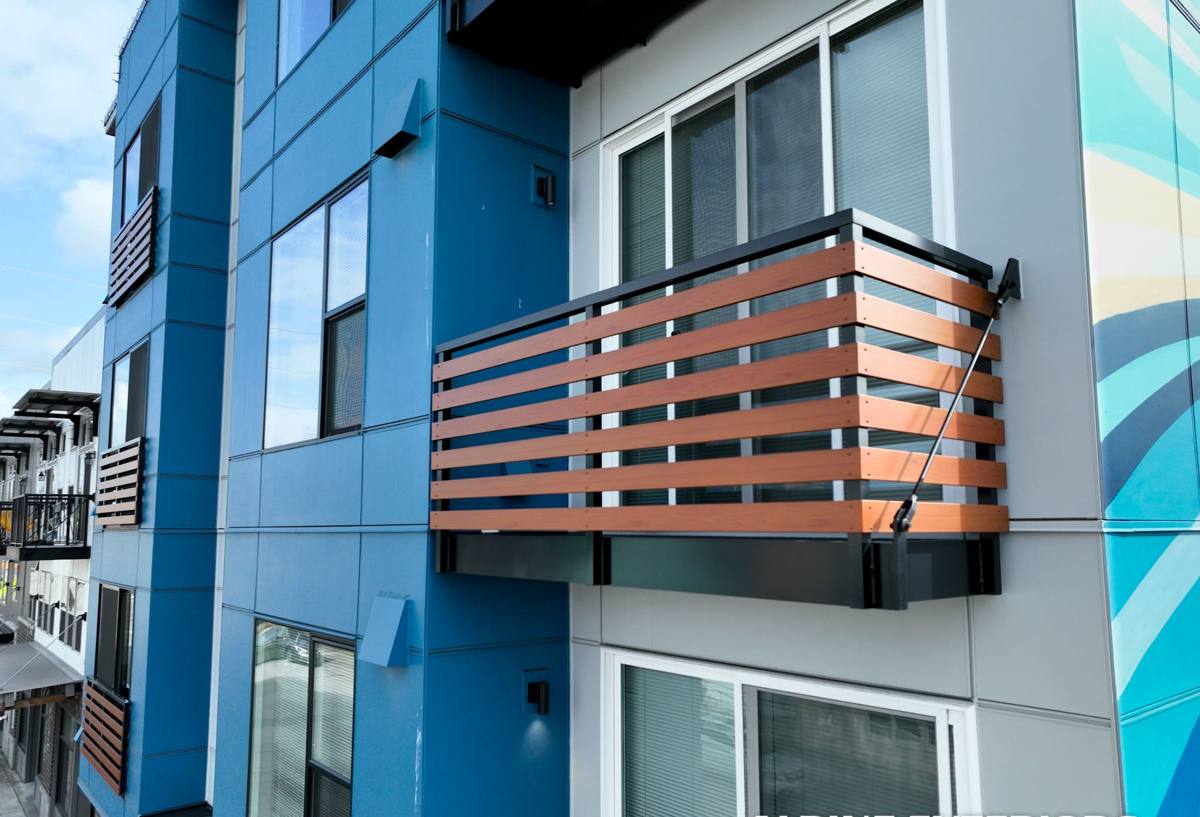
What Salt Air, Driving Rain, and Moss Season Actually Do to Siding
Salt Air
Homes closer to the water pick up airborne salt that settles on exterior surfaces and accelerates corrosion of metal fasteners, flashing, and trim hardware, and it can also break down lower-grade paint films faster than inland exposure would. Fiber cement itself doesn't corrode, but the fasteners, flashing, and any exposed metal detailing around it need to be chosen and installed with that salt exposure in mind.
Driving Rain
Wind off the water doesn't let rain fall straight down — it pushes it sideways into wall assemblies, which puts real pressure on every seam, joint, and penetration in the siding system. A siding product that's dimensionally stable and a water-resistive barrier and flashing detail that's actually done right matter more here than they would in a calmer inland yard.
Moss and Prolonged Dampness
Shaded and north-facing walls on tree-covered Fidalgo Island lots can stay damp for extended stretches, especially through the fall and winter months. That prolonged moisture is what feeds moss and mildew growth on exterior surfaces, and it's also what causes wood-based and wood-composite siding products to swell, soften, or delaminate over years of exposure. Fiber cement doesn't feed mold the way wood-based products can, and it holds its shape through repeated wet-dry cycles.
Why We Install Only James Hardie on Fidalgo Island Homes
We standardized on James Hardie fiber cement siding because it's engineered around exactly this kind of exposure. It's non-combustible, dimensionally stable in wet climates, and available in HZ5 formulations built specifically for regions with sustained moisture and freeze-thaw cycling like the Pacific Northwest. Hardie's ColorPlus factory-applied finish is baked on under controlled conditions rather than field-painted, which gives it better long-term color and film performance against UV and salt exposure than a job-site paint job typically achieves. It also carries a strong, transferable limited warranty when installed to Hardie's specifications — something that matters to buyers if a home on the island ever changes hands.
We don't install vinyl, LP SmartSide, Cemplank, Allura, or primed spruce or cedar siding. Each of those products has legitimate uses elsewhere, but none of them line up with what we've seen hold up best against this specific combination of salt air, wind-driven rain, and shaded moss season over the long run. Standardizing on one product line also means our crew installs it constantly — there's no guessing on flashing details or fastener schedules because we're not relearning a different system on every job.
How James Hardie Compares to the Alternatives on Coastal Skagit County Exposure
| Factor | James Hardie Fiber Cement | Vinyl / Wood-Composite / Primed Wood |
|---|---|---|
| Salt air resistance | Does not corrode or degrade from salt exposure | Varies; some products chalk, fade, or degrade faster near saltwater |
| Moisture / moss exposure | Does not feed mold or absorb water into the substrate | Wood-based products can swell, soften, or support moss growth if kept damp |
| Wind-driven rain performance | Dimensionally stable, engineered joint and lap systems | More prone to gapping or warping over time in shifting moisture |
| Finish longevity | Factory-baked ColorPlus finish | Field-applied paint or factory finishes with shorter proven lifespans in this climate |
| Fire resistance | Non-combustible | Combustible (wood, some composites) or heat-sensitive (vinyl) |
What a Correct James Hardie Installation Involves Here
The siding material is only part of the equation — how it's installed determines whether it actually performs against wind-driven rain and prolonged dampness over the next few decades. On Fidalgo Island, we pay particular attention to:
- A properly lapped and sealed water-resistive barrier behind the siding, since wind-driven rain will find any gap in the drainage plane
- Correct flashing at every window, door, and roofline intersection — these are the spots wind-driven rain actually gets pushed into
- Manufacturer-specified fastener spacing and clearance from grade and roof lines, per Hardie's installation instructions
- Rain-screen or drainage gap detailing where the wall assembly and site conditions call for it, to let moisture that does get behind the cladding drain and dry
- Corrosion-resistant fasteners and trim hardware appropriate for near-water salt exposure
- Proper caulking and sealant only where Hardie's specifications call for it — over-sealing traps moisture rather than shedding it
Skipping any one of these doesn't show up as a problem on day one. It shows up two, five, or ten years later as a soft spot at a window sill, a stain running down from a poorly flashed roofline, or moss creeping in behind a lap joint that was never meant to be sealed shut. Correct installation is what actually delivers on the material's long-term performance.
Our Process for Fidalgo Island Jobs
- Walk and assess: We look at the home's exposure — how close to the water it sits, how much shade and tree cover it gets, and where the existing siding or sheathing shows signs of past moisture issues.
- Plan the details, not just the panels: Flashing, drainage, and fastener plans get worked out before material goes up, specific to that wall's exposure.
- Install to Hardie's written specifications: No shortcuts on nailing patterns, clearances, or joint treatment.
- Final walkthrough: We go over the completed work and the warranty coverage with the homeowner before calling the job done.
Why a Crew That Already Works Fidalgo Island Matters
Every part of the Pacific Northwest coast is a little different, and Fidalgo Island's mix of waterfront exposure, tree cover, and terrain means a siding crew benefits from having actually worked walls in this specific area — knowing which sides of a typical island lot need extra flashing attention, which exposures dry out slowly, and how the wind tends to drive rain against a wall here. A crew that's already installed Hardie siding on homes around Anacortes and the rest of Skagit County isn't guessing at any of that. They're applying what they've already seen work — and what they've seen fail when it was skipped — to your home specifically.
Signs Your Fidalgo Island Home's Siding May Already Be Struggling
- Soft or spongy spots when you press on the siding near the bottom edges or window sills
- Visible moss or persistent green staining, especially on shaded or north-facing walls
- Peeling, bubbling, or chalky paint that keeps coming back after repainting
- Warping, cupping, or gaps opening up between boards or panels
- Staining or discoloration running down from roof-to-wall or window flashing points
None of these are emergencies on their own, but they're worth having looked at before they turn into sheathing or framing damage underneath.
Cost Factors for a Fidalgo Island Hardie Installation
| Factor | Why It Affects Cost |
|---|---|
| Home size and wall complexity | More corners, dormers, and roof intersections mean more flashing and cutting time |
| Existing siding removal and substrate condition | Water damage found underneath old siding may need repair before new siding goes up |
| Hardie product line chosen | Lap siding, panel systems, and shingle-style profiles carry different material and labor costs |
| Color and finish selection | Standard ColorPlus colors versus custom field-painted finishes affect both material and labor |
| Site access and exposure | Waterfront or steep-lot access can affect staging, scaffolding, and crew time |
We don't publish blanket per-square-foot pricing because every one of these factors changes the real number, but we'll walk your home and give you a clear, itemized estimate before any work starts.
Get a Free Estimate for Your Fidalgo Island Home
If you're planning a siding project on Fidalgo Island or elsewhere around Anacortes, we're glad to come take a look, walk you through what we're seeing on your home's exposure, and put together a straightforward, no-pressure estimate. Use the form below to get started.