 Anacortes
 Why Cap Sante Homes Need a Different Approach to Windows
Cap Sante sits close enough to the water that homes here take a different kind of weathering than houses further inland in Skagit County. Salt-laden air moves in off the marina and Guemes Channel, driving rain comes in sideways more often than straight down, and the long gray stretch of fall and winter keeps siding and window frames damp for weeks at a time. Windows on these homes aren't just holding back cold air — they're standing up to corrosion, constant moisture cycling, and UV exposure on the days the sun does break through.
An energy-efficient window that works great in a drier inland climate can still underperform here if it isn't specified and installed with this exposure in mind. That's the gap we focus on closing: not just swapping in a higher-efficiency window, but making sure the whole assembly — frame, flashing, glazing, and seal — is right for a Cap Sante lot.
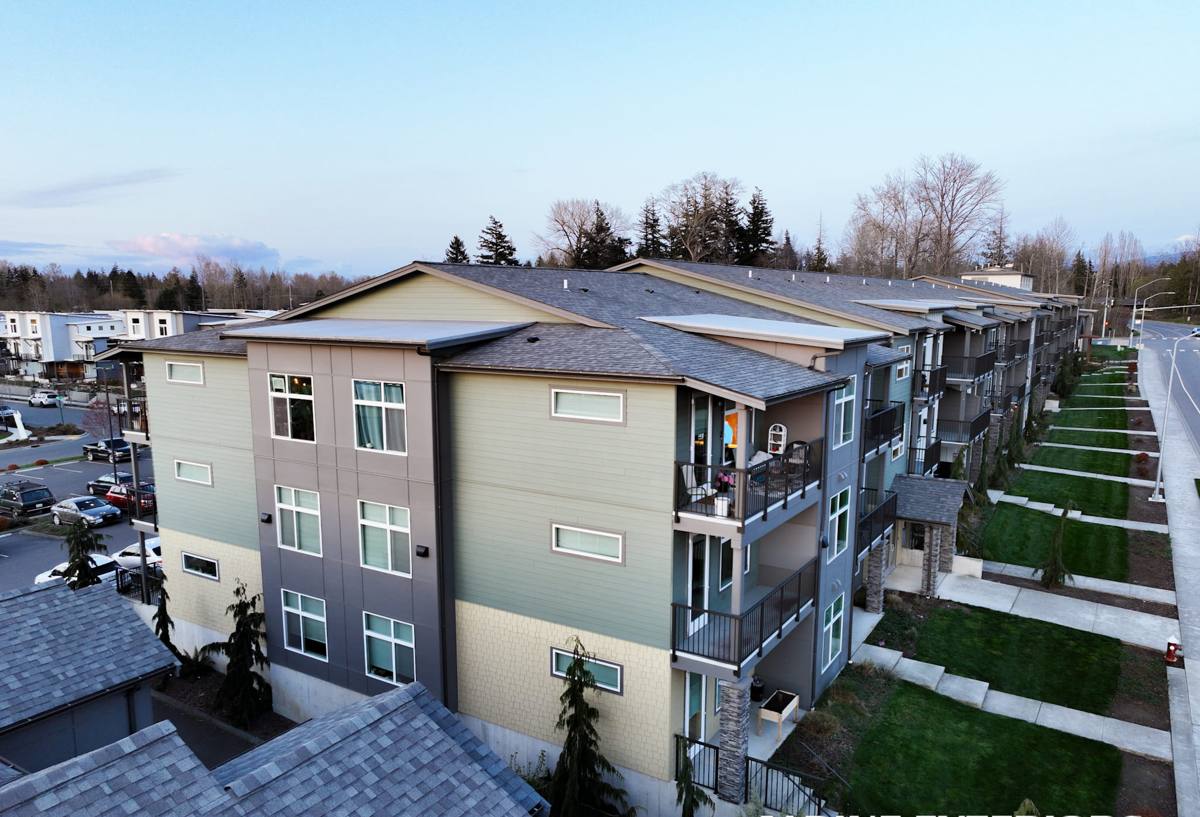
What "Energy-Efficient" Actually Means for This Climate
Energy efficiency gets marketed around heating bills, and that's part of it, but in a marine climate like Anacortes, efficiency and moisture management are the same conversation. A window that leaks air usually isn't sealing out wind-driven rain either. The features that matter most for a Cap Sante home are:
Low U-Factor for Heat Retention
U-factor measures how much heat escapes through the window. Lower is better. In our climate, where heating season runs long but temperature swings are moderate, a solid U-factor keeps utility bills down without needing an extreme (and expensive) glazing package.
Low Air Infiltration Rating
This matters as much as, or more than, U-factor here. A window with a poor air-infiltration rating will let moist salt air work its way into the wall cavity over time, which is how you end up with hidden rot years before anyone notices a problem at the surface.
Frame Material That Tolerates Moisture Cycling
Frames swell, contract, and get rained on constantly for months at a stretch. We look at how a frame material handles that cycling over 15-20 years, not just how it performs on day one.
Frame Materials: Trade-Offs for a Marine Environment
There's no single "best" window material — every option involves a trade-off, and the right call depends on the specific house, its exposure, and the homeowner's maintenance appetite. Here's how the common options stack up for a home in Cap Sante's conditions:
| Frame Material | Moisture/Salt Air Behavior | Maintenance | Typical Trade-Off |
|---|---|---|---|
| Vinyl | Doesn't corrode or rot; performs consistently in salt air | Low — occasional cleaning | Limited color/finish options versus wood or fiberglass |
| Fiberglass | Very stable dimensionally, handles moisture cycling well | Low | Higher upfront cost |
| Wood (clad exterior) | Exterior clad protects the wood, but any breach in the cladding lets moisture into the core | Higher — cladding and seals need periodic inspection | Best appearance option for some homeowners, but least forgiving of installation errors in this climate |
| Aluminum | Conducts heat and cold readily; can corrode without a quality finish | Moderate | Generally a poor fit for energy efficiency goals in our climate unless thermally broken |
For most Cap Sante homes, we steer people toward vinyl or fiberglass because they hold up to the salt air and rain exposure with the least long-term maintenance burden. We'll still install a clad-wood window when that's the right call for a homeowner's design goals — but we're upfront that it comes with a higher inspection and maintenance commitment given the exposure this neighborhood gets.
Where Window Failures Actually Start Around Here
In our experience working on homes throughout Anacortes and Skagit County, window problems rarely start with the glass itself. They start at the edges:
- Flashing that wasn't lapped correctly, letting wind-driven rain track behind the window frame
- Sealant applied over a dirty or damp surface, which fails within a few seasons instead of holding for its full lifespan
- Nailing fins fastened without a proper sill pan, so any water that does get past the frame has nowhere to drain
- Trim and siding tied back into the window without a continuous water-resistive barrier
- Moss and organic buildup on nearby siding or trim holding moisture directly against the window frame
That last point matters more here than in a lot of places. Anacortes gets a long moss season, and moss doesn't stay confined to roofs — it creeps onto siding, trim, and the tops of window frames, holding moisture against building materials that were never designed to stay wet that long. Part of doing this job right is looking at how the window interacts with everything around it, not just the window unit in isolation.
Our Installation Process
1. On-Site Assessment
We start by looking at the existing windows, the wall assembly behind them where visible, and any signs of past moisture intrusion — staining, soft trim, or failed caulk lines. This tells us whether we're doing a straightforward window swap or whether there's flashing or sheathing work that needs addressing first.
2. Product Selection
We walk through frame material, glazing package, and performance ratings based on the specific exposure of that home — a window facing the water or open wind gets a different conversation than one tucked on a sheltered side of the house.
3. Removal and Opening Prep
Old windows come out carefully to avoid damaging the surrounding wall. We inspect the opening for rot or damage before anything new goes in — this is the point where hidden problems get caught, not after the new window is already sealed in place.
4. Flashing and Water Management
This is the step that determines whether a window lasts 20+ years or starts leaking in five. We install sill pans and flashing sequenced so that water is always directed outward, never trapped behind the window.
5. Setting, Sealing, and Insulating
The window is set plumb and level, shimmed correctly so it isn't under stress, and insulated around the frame without over-packing (which can bow the frame and cause operational issues).
6. Exterior Trim and Final Seal
Exterior trim is reinstalled or replaced and sealed with products rated for our climate's UV and moisture exposure — not the cheapest caulk that happens to be on the shelf.
What a Correct Job Should Include — A Homeowner's Checklist
Whether you hire us or someone else, this is what should happen on any energy-efficient window install in a coastal climate like Cap Sante's:
- A physical inspection of the wall opening after old windows are removed, not just before
- Sill pan flashing installed under every window, not just sealant alone
- Documented U-factor and air infiltration ratings for the specific product installed
- Shims and fasteners set so the frame isn't racked or under tension
- Exterior sealant rated for UV and marine moisture exposure
- A final walk-through checking operation, locking, and visible seal lines before the crew leaves
Why Local Installation Experience Matters Here
A crew that mostly works drier inland areas will still know how to install a window correctly by the book. But a crew that regularly works Cap Sante and the rest of Anacortes knows which sides of a house take the worst of the wind off the water, how fast moss reestablishes on north-facing trim here, and which flashing details actually hold up through a full wet season rather than just looking right on installation day. That local pattern recognition is the difference between a window that performs on paper and one that performs for the next 20 winters.
Cost Factors Worth Understanding Up Front
Costs vary by project, but the main drivers are consistent. Knowing them ahead of time makes it easier to compare quotes honestly:
| Factor | Why It Affects Cost |
|---|---|
| Frame material | Vinyl is generally the most affordable; fiberglass and clad wood cost more upfront |
| Number and size of openings | Larger or unusually shaped windows cost more to source and install |
| Condition of the existing opening | Rot or flashing repair adds labor and material beyond the window itself |
| Glazing package | Higher-performance glass (low-E coatings, gas fills) costs more but pays back over time in comfort and energy use |
| Access and site conditions | Upper-story or hard-to-access windows take more time and equipment |
We'd rather walk a homeowner through these factors honestly than quote a flat per-window price that doesn't reflect what their specific house actually needs.
Ready to Talk About Your Windows?
If you're noticing drafts, condensation between panes, or trim around your windows that's staying damp longer than it should, it's worth having someone look before the next wet season sets in. We offer free, no-pressure estimates for Cap Sante homeowners — use the form below to get a time on the calendar.