 Anacortes
 Bow's Climate Is Harder on a Roof Than It Looks
Bow sits in that stretch of Skagit County between Anacortes and the Samish Bay shoreline, close enough to the water that salt-laden air is a daily fact of life, not an occasional nuisance. Add in the long wet season, wind-driven rain off the bay, and heavy tree cover on many rural properties, and you have a combination that ages a roof faster than most homeowners expect. A roof that would last decades in a dry inland climate can show real wear in Bow well before its rated lifespan, especially if it wasn't installed with these specific conditions in mind.
This isn't a generic "we install roofs" page. It's about what a new roof installation needs to get right for a home in Bow specifically — the moisture load, the salt exposure, the moss pressure from shaded, moisture-holding tree canopy, and the practical realities of building on rural and semi-rural lots in this part of the county.
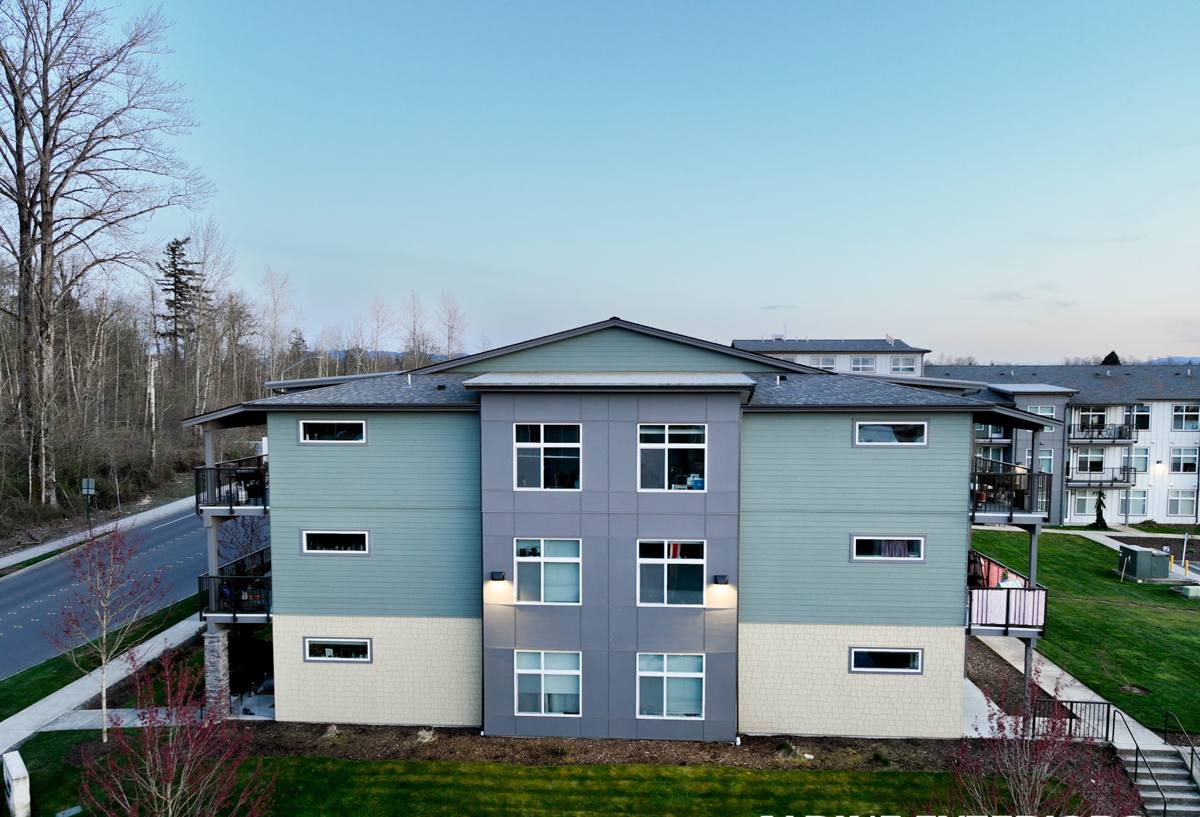
What Salt Air, Rain, and Moss Actually Do to a Roof
Salt Air and Metal Fatigue
Proximity to Samish Bay and Puget Sound means airborne salt settles on roofing surfaces and, more importantly, on the metal components — flashing, fasteners, vent caps, and gutter hardware. Standard fasteners and untreated metal flashing corrode faster here than they would twenty miles inland. Once flashing starts to pit and weaken at seams and penetrations, water finds a way in long before the shingles themselves are worn out.
Driving Rain and Wind-Driven Water
Storms moving through this part of Skagit County often come with sideways rain, not just straight-down rain. That matters because wind-driven water gets pushed up under shingle edges, around chimneys, and into valleys in ways that a roof built to a minimum-code standard may not fully resist. Underlayment quality and flashing detail work carry more weight here than in calmer climates.
Moss and the Long Wet Season
Bow's mix of mature trees, farmland moisture, and a roofing season that stays damp for much of the year creates ideal conditions for moss and algae growth, particularly on north-facing slopes and shaded roof sections. Moss isn't just cosmetic — it holds moisture against the roofing surface, lifts shingle edges as it grows, and accelerates granule loss. A roof that isn't installed and detailed with moss resistance in mind will need moss treatment and cleaning far more often than it should.
Signs a Bow Home Needs Replacement, Not Another Repair
- Granules collecting in gutters or at downspout outlets, especially after wind events
- Shingles that are cupping, curling at the edges, or visibly brittle
- Moss established across multiple sections rather than isolated patches
- Soft spots, sagging, or visible daylight in the attic around flashing points
- Repeated leaks in the same area despite prior patch repairs
- Flashing around chimneys, skylights, or valleys that's rusted, lifted, or missing sealant
- A roof approaching or past 20-25 years old with no major work done
If a home is showing two or more of these, a patch repair is usually a delay, not a fix. We'll always tell you honestly if repair is still the smarter move — replacement only makes sense when the underlying roof system is genuinely failing.
What a Correct New Roof Installation Involves
A roof is a system, not a single layer of shingles. Getting it right for Bow's conditions means paying attention to every layer, not just the visible one.
Tear-Off and Deck Inspection
We remove the old roofing down to the deck and inspect the sheathing for rot, soft spots, or water staining — common where moss has held moisture against the roof for years. Any compromised decking gets replaced before anything new goes down; installing over a weakened deck just hides a problem that will resurface.
Underlayment Built for Wet Climates
We use synthetic or ice-and-water-shield underlayment in vulnerable areas — eaves, valleys, and low-slope sections — to give the roof a real second line of defense against wind-driven rain, not just a code-minimum layer.
Flashing That Resists Salt Corrosion
Around chimneys, vents, skylights, and valleys, we use corrosion-resistant flashing and fasteners suited to a coastal-influenced climate, rather than standard hardware that will pit and fail years earlier in salt air.
Ventilation That Reduces Moisture Buildup
Proper intake and exhaust ventilation keeps the attic space from trapping moisture, which reduces both interior condensation problems and the conditions that let moss and algae take hold on the roof surface itself.
Moss-Resistant Detailing
Where a roof has shaded, moss-prone sections, we can incorporate zinc or copper strips near the ridge and recommend material choices that shed moisture more effectively, reducing how often moss treatment is needed down the road.
Choosing the Right Material for a Bow Property
There's no single "best" roofing material — the right choice depends on the home's exposure, tree cover, budget, and how much long-term maintenance the owner wants to take on. Here's how the common options compare for this climate specifically:
| Material | Salt Air Performance | Moss Resistance | Typical Lifespan | Maintenance Needs |
|---|---|---|---|---|
| Architectural Asphalt Shingle | Good, with corrosion-resistant flashing/fasteners | Moderate — benefits from zinc strips on shaded slopes | 25-30 years | Periodic moss treatment on shaded sections |
| Standing Seam Metal | Excellent with proper coating | Very good — sheds moisture quickly | 40-50+ years | Low; occasional fastener/seam check |
| Cedar Shake | Fair — needs regular treatment near salt air | Low without upkeep — holds moisture | 20-30 years with maintenance | High — regular treatment and moss removal |
| Synthetic/Composite Shingle | Good | Good | 30-50 years | Low to moderate |
For most Bow homes, an architectural asphalt shingle with upgraded flashing and underlayment offers the best balance of cost and durability. For homes with heavy tree cover or owners who want the lowest long-term maintenance, metal roofing is worth serious consideration despite the higher upfront cost.
Our Installation Process, Start to Finish
- On-site assessment — we inspect the existing roof, attic ventilation, and any moss or water-damage patterns specific to the property's sun exposure and tree cover
- Written estimate — a clear scope of work and material options, with honest trade-offs explained, no pressure to upsell
- Material selection — matched to the home's exposure, roof pitch, and the owner's maintenance preferences
- Tear-off and deck repair — old roofing removed, deck inspected and repaired as needed
- Underlayment and flashing installation — built for wind-driven rain and salt air, not just code minimums
- Roofing material installation — installed to manufacturer specification, with attention to ventilation and moss-prone areas
- Final walkthrough — we review the completed work with you, including any maintenance recommendations specific to the property
Living With a New Roof: Realistic Maintenance in This Climate
Even a well-installed roof in Bow benefits from a bit of seasonal attention, given the moisture and tree cover common in this area.
- Clear gutters and downspouts at least twice a year — clogged gutters push water back under roofing edges
- Have shaded or north-facing slopes checked periodically for early moss growth
- Trim back overhanging branches to reduce shade, debris buildup, and physical damage from limbs
- Inspect flashing around chimneys and vents every year or two, since these are the first points to show wear
- Address small leaks immediately — in this climate, minor water intrusion becomes rot and mold faster than in drier regions
Why Local Experience in Bow and Skagit County Matters
A roofing crew that mostly works dry, inland climates will often default to standard techniques and materials that hold up fine elsewhere but underperform here. Working regularly in Bow, Anacortes, and the rest of Skagit County means we already know which slopes tend to develop moss first, how much wind-driven rain a valley or chimney flashing needs to resist, and which fastener and flashing choices actually hold up against salt air over time. That familiarity shows up in fewer callbacks and a roof that performs the way it's supposed to for its full expected life, not just for the first few dry summers.
Questions to Ask Before Hiring a Roofing Crew
- Do you use corrosion-resistant flashing and fasteners, and why does that matter here?
- What underlayment do you use in valleys and at the eaves, and is it rated for wind-driven rain?
- How do you handle ventilation to reduce moisture buildup and moss growth?
- Will you inspect and repair the deck before installing new roofing, not just over it?
- Can you explain the maintenance trade-offs between material options for a shaded or coastal lot?
- What's included in the written warranty, and does it cover workmanship as well as materials?
A contractor who answers these clearly and specifically, without vague reassurances, is one who actually understands what this climate does to a roof.
If your Bow home's roof is showing its age or you're just planning ahead, we're happy to take a look and give you a straightforward, no-pressure estimate. Use the form below to get started.