 Anacortes
 Building a Deck That Can Actually Handle West Anacortes
West Anacortes sits close enough to the water that homes here deal with a different set of conditions than a deck built inland in Skagit County. Salt-laden air off the Guemes Channel and Rosario Strait works its way into fasteners, framing hardware, and finishes faster than most homeowners expect. Add driving rain that comes in sideways during winter storms, plus a long, damp moss season that can stretch from October well into spring, and you have a climate that is genuinely hard on outdoor structures. A deck built the way it would be in a drier part of the state simply won't hold up the same way here.
That doesn't mean a great deck isn't possible — it means the details matter more. The framing, fasteners, flashing, and decking material all need to be chosen and installed with this specific environment in mind, not a generic set of building practices.
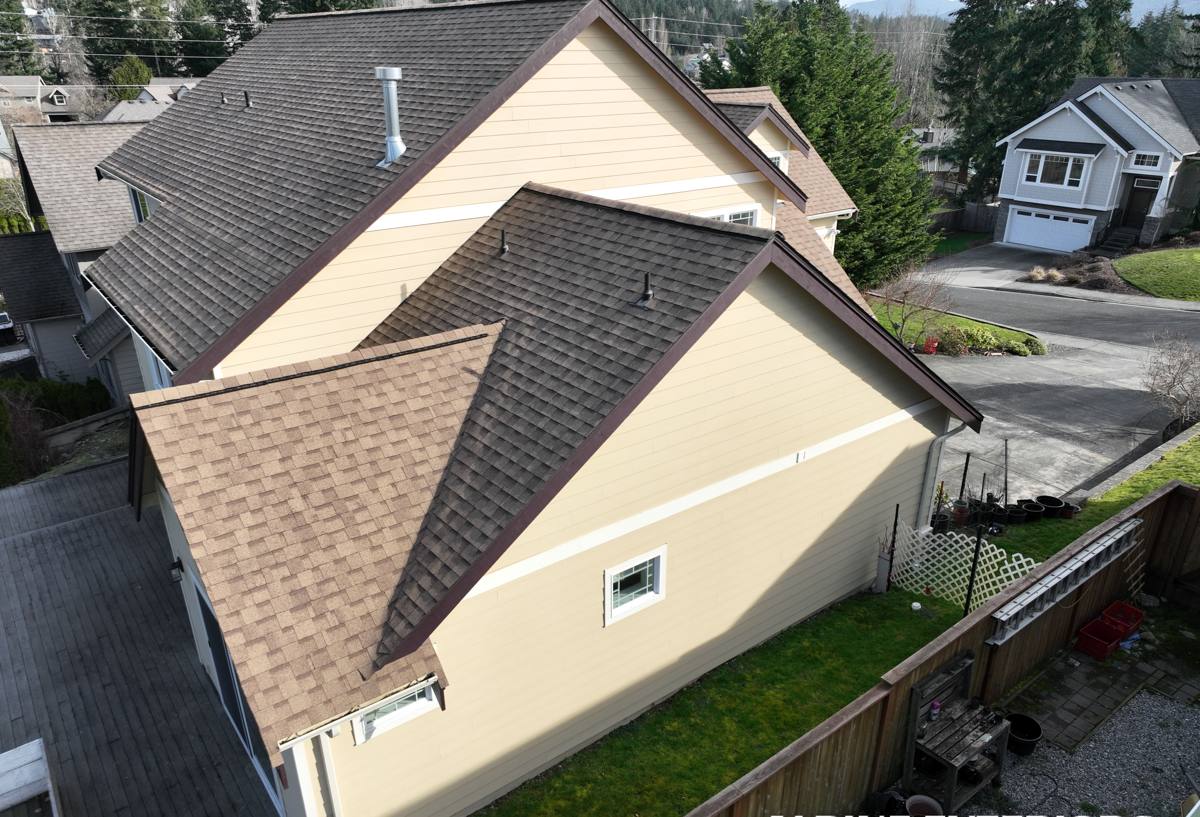
What a West Anacortes Deck Has to Survive
Before talking about materials or process, it helps to understand exactly what's working against a deck in this part of Anacortes year-round.
Salt Air and Corrosion
Homes closer to the water get more airborne salt than homes even a mile or two inland. Salt accelerates corrosion in any exposed metal — fasteners, joist hangers, railing brackets — and it can also affect certain finishes and coatings over time. This is one of the biggest reasons material and hardware choices matter more here than in a typical inland build.
Driving Rain
Anacortes gets weather that comes off the water with real force behind it. Rain doesn't just fall straight down — it drives sideways into ledger boards, under railing posts, and into any gap that isn't properly flashed or sealed. A deck that isn't detailed correctly at these connection points will trap moisture, and trapped moisture is where rot and structural failure start.
Moss and Algae
The long wet season in Skagit County creates ideal conditions for moss and algae growth on any horizontal wood surface that doesn't drain and dry quickly. Beyond looking bad, moss holds moisture against the decking surface and can make boards slippery and, over years, contribute to premature wear.
UV and Temperature Swings
Summers bring real sun exposure, and the swing between soaked winter wood and dry summer wood causes expansion and contraction. Fasteners and board spacing need to account for that movement, or you end up with cupping, splitting, or popped screws within a few seasons.
Decking Material Options for West Anacortes Homes
There's no single "best" decking material for every homeowner — it depends on budget, maintenance tolerance, and how the deck will be used. Here's how the common options actually perform under West Anacortes conditions.
| Material | How It Handles This Climate | Maintenance | Typical Lifespan |
|---|---|---|---|
| Pressure-treated lumber | Good rot resistance when installed and finished correctly; needs consistent sealing to fight moss and moisture in this climate | Annual cleaning and resealing recommended | 15-20 years with upkeep |
| Cedar | Naturally moisture and insect resistant, ages well near salt air, but needs regular finishing to hold its color and resist moss | Regular cleaning, periodic staining/sealing | 15-25 years with upkeep |
| Capped composite | Strong performer in wet, mossy climates — doesn't absorb moisture the way wood does, resists staining and algae growth | Occasional washing, no sealing or staining | 25-30+ years |
| Uncapped composite (older style) | More prone to moisture absorption and mold/algae staining than capped composite; we're selective about when we recommend it | Regular cleaning to prevent staining | 15-20 years |
For homeowners who want the lowest long-term maintenance in a climate like this, capped composite decking generally makes the most sense. For homeowners who want the natural look and feel of real wood and don't mind a yearly maintenance routine, cedar or properly treated lumber can still be a great choice — it just requires more discipline about upkeep than it would in a drier climate.
What Actually Determines Whether a Deck Lasts Here
The decking boards get all the attention, but the parts of a deck that fail first in this climate are almost always underneath or behind the visible surface.
Ledger Board Flashing
The ledger board — where the deck attaches to the house — is the single most common failure point on decks in wet coastal climates. Without proper flashing that directs water away from the house framing, moisture works its way behind the ledger and rots both the deck attachment and the house's rim joist. This is invisible until it's a serious, expensive problem.
Joist Protection
Exposed cut ends and the tops of joists absorb water readily if left unprotected. Joist tape or an equivalent moisture barrier over the top of the framing keeps water from soaking into the structure through screw holes and board gaps, which matters a lot more here than in a dry climate where a deck might go weeks without real rain.
Footings and Frost Considerations
Footings need to be sized and set to local frost depth and soil conditions, with posts properly isolated from standing water. Poor drainage around footings is a common issue on lots with heavier clay soil, which shows up in parts of Skagit County.
Board Spacing and Airflow
Proper gapping between boards and adequate airflow underneath the deck are what actually keep moss and mildew from taking hold on the decking surface. A deck built too tight to the ground, or with boards installed without enough spacing, will stay damp longer after every rain and moss faster.
Fasteners, Hardware, and Railings
This is where cutting corners shows up fastest in a salt-air environment. Standard galvanized fasteners can start showing corrosion within a few years this close to the water. We use stainless steel or coated fasteners rated for coastal and marine-adjacent exposure, along with corrosion-resistant joist hangers and structural connectors, because replacing a handful of rusted screws is a lot cheaper than replacing framing hardware that's failed underneath a finished deck.
Railings face the same exposure, plus the added stress of handling wind loads. Whether you choose wood, composite, metal, or cable railing, the posts and their attachment to the framing need to be solid — this is a structural safety component, not just an aesthetic one, and it's inspected as such.
Our Deck Building Process
We approach every West Anacortes deck project the same methodical way, adjusted for the specific site conditions of your lot.
- On-site assessment. We look at sun and wind exposure, drainage, soil conditions, and how close the site is to salt air influence to inform material and hardware recommendations.
- Design and material selection. We walk through decking, railing, and structural options honestly — including trade-offs in maintenance and cost — so you're choosing based on real information.
- Permitting. We handle the permit process with the City of Anacortes or Skagit County as required for your project's size and location.
- Framing and flashing. This is where the real durability work happens — proper ledger flashing, joist protection, and correctly sized footings, all before a single decking board goes down.
- Decking and railing installation. Installed with fastening methods and spacing appropriate to the material and this climate.
- Final walkthrough. We go over the finished deck with you, including what maintenance it will need and when.
Deck Maintenance Checklist for West Anacortes Conditions
Whatever material you choose, a little regular attention keeps a deck performing for decades instead of years. Here's what we recommend homeowners in this area stay on top of:
- Sweep debris and standing organic matter (leaves, needles) off the deck surface regularly, especially in fall
- Clean moss and algae buildup before it stains or gets slick — a stiff brush and appropriate cleaner is usually enough if caught early
- Check fasteners and railing connections annually for movement or corrosion
- Inspect the ledger board area and flashing yearly for signs of water staining or soft wood
- Reseal or re-stain wood decking on the manufacturer's recommended schedule — don't stretch it another season
- Keep gutters and downspouts near the deck clear so runoff isn't dumping directly onto or under the structure
- Confirm under-deck airflow isn't blocked by stored items, planters, or overgrown landscaping
Permits and Local Considerations in Anacortes
Most new deck construction and many significant deck replacements require a permit through the City of Anacortes or Skagit County, depending on your property's location. Requirements can involve setback distances, height and guardrail specifications, and structural review, particularly for elevated decks or decks near property lines. Waterfront and view-corridor lots in West Anacortes can also carry additional considerations depending on the specific parcel. We handle this process as part of the job so you're not left figuring out permitting on your own, and so the finished deck is built to code from the start rather than needing corrections later.
Why It Matters to Hire a Crew That Already Works in West Anacortes
A deck built by someone unfamiliar with this specific coastal micro-climate can look fine on day one and still start failing within a few years — usually starting with corroded fasteners, a rotting ledger connection, or decking that never quite dries out between storms. Crews who work regularly in West Anacortes and similar Skagit County coastal areas already know which fastener grades hold up, how to detail flashing for driving rain, and how much airflow a deck needs underneath to actually resist moss in this climate. That local, repeated experience is the difference between a deck that needs real attention every year and one that just quietly holds up.
If you're planning a new deck or replacing one that's showing its age, we're happy to take a look and talk through honest options for your property — no pressure, no obligation. Reach out using the form below for a free estimate.