 Anacortes
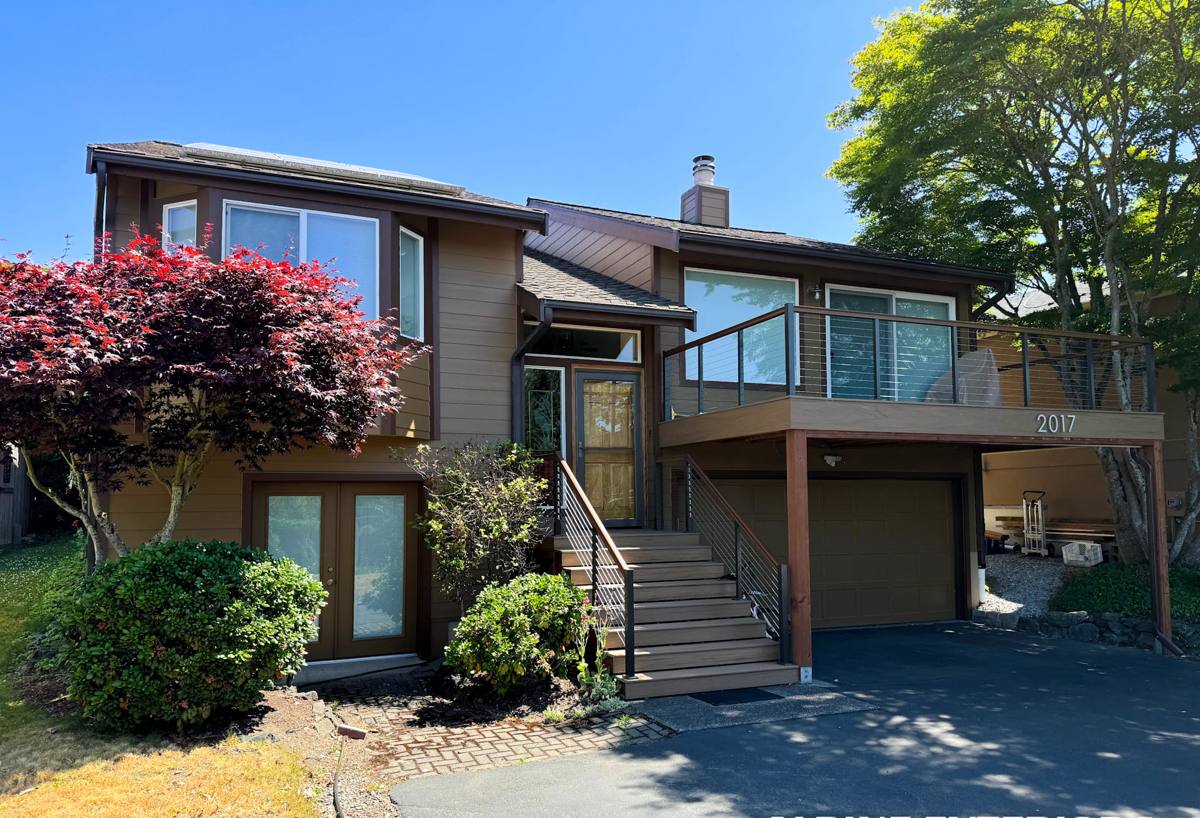
 Skyline sits up on the bluff on the west side of Anacortes, catching wind and weather straight off the water. That exposure is part of the appeal of living there, but it's also why roofs in this part of town wear differently than roofs a few blocks inland or tucked behind tree cover elsewhere in Skagit County. Salt air, driving rain, and a long moss season all take their toll on a Skyline roof, and a repair that would hold up fine on a sheltered inland home can fail within a season or two up here if it isn't done with that exposure in mind. This page covers roof repair specifically — not a full tear-off and replacement — for homes in Skyline: what the climate demands, what a correct repair actually involves, how our process works, and why it matters to hire a crew that already works this neighborhood.
Why Roof Repair Here Isn't a One-Size Job
Three conditions drive most of the repair calls we get from Skyline, and they don't act alone — they compound each other over a typical Anacortes winter.
Salt Air
Airborne salt off the water speeds up corrosion on anything metal on a roof — fasteners, flashing, vent stacks, gutter hardware. A repair that reuses standard fasteners or generic flashing can look fine going in and then start rusting within a couple of years on a bluff-facing roof. We see this most often on older repairs that were done with whatever hardware was on the truck rather than material actually rated for marine exposure.
Driving Rain
Rain off the water in Skyline doesn't fall straight down as often as homeowners expect. Wind pushes it sideways, and sideways rain finds its way into laps, seams, and flashing joints that would stay dry in a calmer storm. A lot of the "mystery leaks" we get called out for trace back to a flashing detail or shingle lap that was adequate for ordinary rain but not for wind-driven rain hitting it at an angle.
A Long Moss Season
Shaded, damp conditions here support a moss and algae season that runs longer than most homeowners realize, especially on north-facing slopes and anywhere mature trees keep a roof from drying out between storms. Moss isn't just a cosmetic problem — it holds moisture against the roofing material, lifts shingle edges, and over time works its way under laps that were never designed to handle standing moisture. A repair that patches the visible damage without addressing the moss that caused it usually needs to be redone within a year or two.
Signs Your Skyline Roof Needs Repair
Most of what brings a Skyline homeowner to call us isn't a dramatic collapse — it's a smaller signal that something behind the roofing surface has already failed. These are the signs worth acting on before they turn into a bigger job:
- A leak that shows up during wind-driven rain but not during a calm, straight-down rain event
- Water staining on an interior ceiling or wall, especially near a chimney, skylight, or roof-to-wall transition
- Moss growth that keeps returning to the same section within a season of cleaning
- Missing, cracked, or curling shingles limited to one section rather than the whole roof
- Rust staining at nail heads, flashing, or metal vent stacks
- Granules collecting in gutters beyond normal light shedding for the roof's age
- Soft spots or a slight give underfoot near a valley or roof penetration
- Daylight or damp insulation visible from inside the attic near a specific spot
Any one of these can usually be traced to a specific, repairable cause rather than a roof that's failed across the board — which is exactly why an accurate diagnosis matters before deciding on a scope of work.
Repair or Replace? How We Make That Call
Not every roof problem in Skyline means a new roof, and we don't default to recommending replacement just because a repair takes more work to diagnose correctly. The honest answer depends on how isolated the damage is, how old the roofing material already is, and whether the deck and structure underneath are still sound.
| Situation | Usually Repair | Usually Replace |
|---|---|---|
| Leak traced to one flashing point or penetration | Yes — targeted flashing repair | Not unless deck damage is found underneath |
| Isolated wind or storm damage to one slope | Yes — matched shingle or panel repair | Only if matching material isn't available or the roof is already near end of life |
| Moss damage limited to shaded sections | Yes — treatment plus localized repair | Rarely, unless underlayment has already failed under the moss |
| Widespread granule loss and curling across most slopes | No | Yes — material is past its service life |
| Multiple leak points across different parts of the roof | No | Yes — usually a sign of systemic underlayment failure |
| Soft or rotted decking found during inspection | Depends on how much decking is affected | Yes if the damage is widespread rather than isolated |
We give a straight answer based on what we actually find during the inspection, not on which job pays more. A well-executed repair often buys a Skyline roof several more years of solid performance before replacement is the right call.
What a Correct Roof Repair Actually Involves
The visible patch — new shingles or a resealed flashing joint — is the smallest part of what determines whether a repair actually holds up on a Skyline roof. Most repairs that fail again within a year or two skipped one of the steps below.
Finding the Real Source of a Leak
Water that shows up on a ceiling rarely originates directly above the stain — it often travels along a rafter or underlayment before finding a path inside. We trace a leak back to its actual entry point rather than patching wherever the stain happens to be, since patching the wrong spot just delays the same leak reappearing somewhere else.
Flashing Repair
Flashing at chimneys, skylights, vent penetrations, and roof-to-wall transitions is where the majority of Skyline leaks actually start. We replace failed flashing with corrosion-resistant material suited to salt air exposure and integrate it properly with the underlayment, rather than relying on a bead of sealant to hold back water that a proper flashing detail should be stopping in the first place.
Shingle and Underlayment Repair
Damaged shingles get pulled and replaced rather than sealed over, and we check the underlayment beneath them for damage before closing the section back up. If the underlayment has already let water through, a section of self-adhered membrane goes in at that spot rather than trusting a shingle repair alone to keep it dry going forward.
Moss and Algae Removal Done Right
We remove moss using methods that don't damage the roofing surface — no aggressive pressure washing that lifts granules or drives moss further under the shingle laps. Where moss has already caused damage, we replace the affected section rather than just cleaning the surface and leaving compromised material in place underneath.
Corroded Fasteners and Hardware
Standard fasteners rust faster in this air than most homeowners expect, and a corroded fastener is a common hidden cause of a slow, hard-to-trace leak. Any hardware we touch during a repair gets replaced with fasteners and flashing rated for marine exposure, not whatever happens to match what's already on the roof if that material wasn't the right choice to begin with.
Common Roof Repairs We Handle in Skyline
| Repair Type | Typical Cause in Skyline | What the Fix Involves |
|---|---|---|
| Flashing repair or replacement | Wind-driven rain finding a gap at chimneys, skylights, or wall transitions | Remove failed flashing, replace with corrosion-resistant material, integrate with underlayment |
| Storm-damaged shingle sections | High wind off the water lifting or tearing shingles on exposed slopes | Remove damaged shingles, inspect underlayment, install matched replacement material |
| Moss-related section repair | Long moss season on shaded, north-facing slopes | Moss removal, damaged shingle replacement, and steps to slow regrowth |
| Leak tracing and point repair | Water entering at one point and traveling before showing as a ceiling stain | Diagnostic inspection to find the true entry point, then targeted repair there |
| Fastener and hardware correction | Standard fasteners corroding faster than expected in salt air | Replace with marine-rated fasteners and flashing hardware |
| Valley and penetration resealing | Sealant breaking down faster under sustained damp conditions | Remove old sealant, correct the underlying flashing detail, reseal properly |
Our Roof Repair Process
- On-site inspection. We look at the roof from the ground and, where safe and useful, up close — checking the reported problem area along with flashing points, valleys, and shaded slopes that tend to hide additional issues.
- Leak tracing. If the call is about a leak, we trace it back to its actual source rather than assuming it's directly above where the stain appears inside.
- Honest scope and estimate. We explain what we found, what caused it, and whether a repair is the right call or a bigger conversation about replacement is warranted — in plain terms, with a written estimate.
- Repair work. Damaged material comes out, the deck and underlayment underneath get checked, and the repair goes in with materials suited to Skyline's salt air and rain exposure.
- Moss and drainage check. Where moss contributed to the problem, we address it as part of the same visit rather than treating it as a separate job later.
- Final walk-through. We review the completed repair, explain what was done and why, and go over any follow-up maintenance worth keeping an eye on.
Cost Factors for Roof Repair in Skyline
Repair costs vary more than people expect, mostly because the true scope isn't always visible until the damaged material comes off. These are the main factors that move a repair estimate up or down.
| Factor | Why It Matters |
|---|---|
| Size and location of the damaged area | A single flashing point costs far less to fix than damage spread across a full slope |
| Roof pitch and access | Steep or hard-to-access sections take longer and need more safety setup |
| Underlayment or deck damage found underneath | Hidden water damage discovered once shingles come off adds scope not visible from the ground |
| Material match availability | Matching an older shingle color or profile can affect cost and timeline if the original product line has been discontinued |
| Extent of moss damage | Surface moss cleaning costs little; moss that's already compromised shingles requires section replacement |
| Fastener and flashing upgrades | Replacing corroded hardware with marine-rated material costs more up front but prevents a repeat repair |
Why Hire a Crew That Already Works in Skyline
A roofer who mostly works inland jobs isn't wrong about roofing in general — they're just working from a different set of defaults. Fastener choices, flashing details, and moss treatment that hold up fine on a sheltered inland roof are often undersized for what a Skyline bluff lot deals with every year. A crew that's already repaired roofs in this neighborhood has seen which details actually fail here, not just which ones fail in a manufacturer's spec sheet written for average conditions.
There's also a practical side to it. Skyline's terrain, tree cover, and lot access vary from block to block, and a crew that's worked the neighborhood knows roughly what to expect before showing up — where scaffolding is going to be tight, which roofs catch the worst of the wind, and which older repairs tend to need a second look. That local pattern recognition means fewer surprises mid-job and a more accurate estimate from the start.
Keeping a Repaired Roof Sound Year-Round
A correctly done repair should hold up well, but a few habits help it go the distance in this climate:
- Keep gutters clear so water isn't backing up under roof edges during heavy rain
- Have moss addressed as soon as it reappears rather than letting it re-establish over a full season
- Trim back tree limbs that keep a section of roof shaded and slow to dry
- Have flashing points checked after any major windstorm, not just during a routine inspection
- Report a new leak or stain right away — the earlier it's traced, the smaller the fix usually is
If your Skyline roof has a leak, storm damage, or a moss problem that keeps coming back, we're happy to take a look and give you a straight answer about what it actually needs. Reach out for a free, no-pressure estimate using the form below.