 Anacortes
 Why Similk Beach Siding Wears Differently Than Siding Inland
Homes along Similk Beach sit close enough to the water that the siding on them is doing a different job than siding twenty minutes inland in Mount Vernon or Sedro-Woolley. The combination of salt-laden air off Similk Bay, wind-driven rain, and a moss season that can run most of the year is a specific set of stresses, and siding repair here needs to account for all three at once — not just patch the symptom you can see.
Salt Air
Airborne salt settles on exterior surfaces and accelerates the breakdown of fasteners, caulk, and any paint film that isn't holding up well. On wood-based siding products, that salt exposure works alongside moisture to speed up rot at seams, corners, and anywhere water can collect. It also means a repair that looks fine the day it's finished can start failing again faster near the water than the same repair would inland.
Driving Rain
Wind off the bay doesn't just drop rain straight down — it drives it sideways into wall assemblies, seams, and butt joints. Siding that's rated for vertical rain exposure can still let water in in a spot like this if the laps, caulking, and flashing details weren't built for wind-driven moisture in the first place. A lot of the repair calls we see near the water trace back to a joint or transition that was never detailed for this kind of exposure.
The Long Moss Season
Anacortes and the rest of Skagit County get a wet season that stretches long, and shaded, north-facing, or tree-adjacent walls near Similk Beach hold moisture even longer. Moss and algae don't just look bad — they hold water against the siding surface, and over time that trapped moisture is what turns a cosmetic problem into a repair problem underneath.
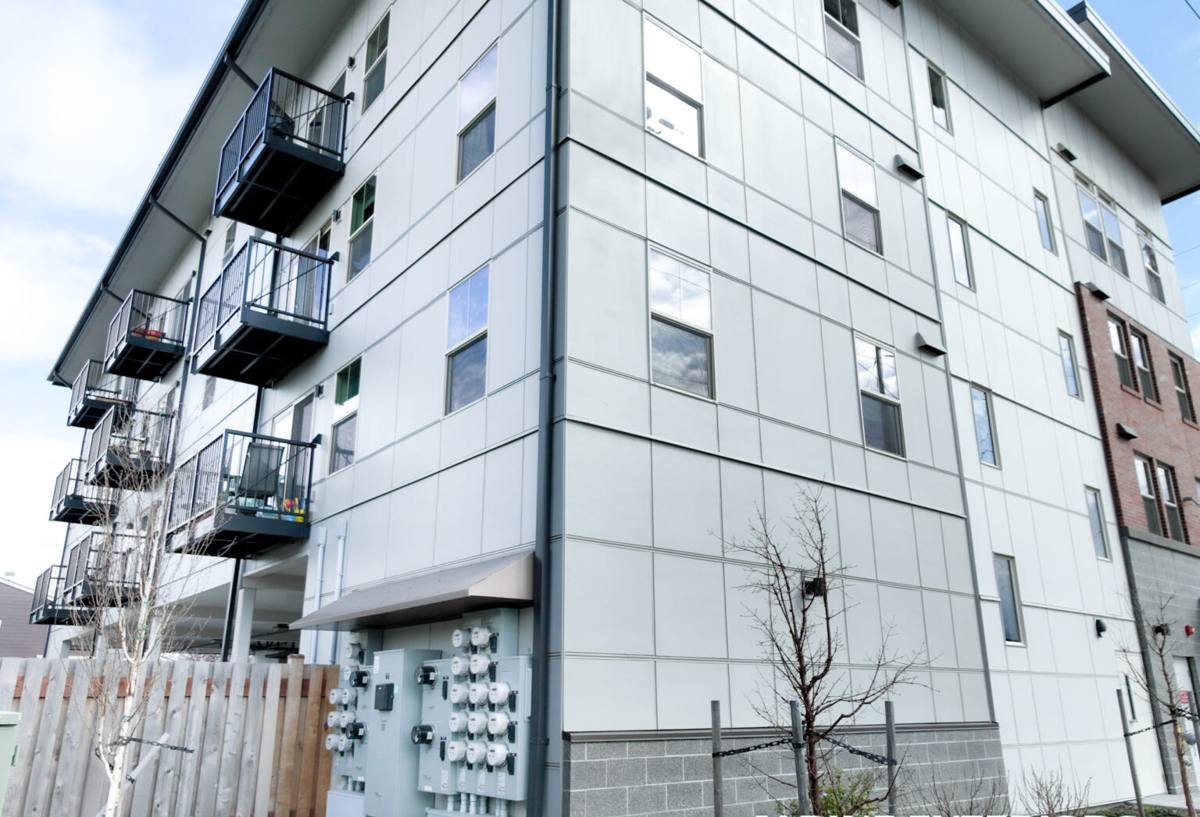
Signs Your Siding Needs Repair — Not a Full Replacement
Most homeowners don't need a full re-side. They need someone to catch and correct the specific spots where water, salt, or moss has actually done damage. Here's what we look for on a Similk Beach siding call:
- Soft or spongy spots when you press on the siding, especially near the bottom courses and corners
- Visible cracking, splitting, or buckling on individual boards or panels
- Paint that's peeling, bubbling, or chalking heavily in one area but not others
- Dark streaking or persistent moss/algae growth that keeps coming back after cleaning
- Gaps opening up at butt joints, corner boards, or trim where caulk has failed
- Staining or discoloration on interior walls or trim near an exterior wall, which often points to water already getting past the siding
- Nail pops, warping, or siding pulling away slightly from the wall
- Damage clustered on the side of the house facing the bay or prevailing wind
What a Correct Siding Repair Actually Involves
A repair that's done right is more than swapping a bad board for a new one. It's a short sequence, and skipping any step is usually why a "repair" fails again within a year or two:
- Diagnose beyond the visible damage. We check what's happening underneath — house wrap, sheathing, and framing in the affected area — because siding damage is often a symptom of a moisture problem, not the whole problem.
- Confirm the cause before closing it back up. If the underlying issue is a flashing gap, a failed caulk joint, or grade sloping water toward the wall, replacing the siding board alone won't fix it — it'll just fail again in the same spot.
- Remove damaged material cleanly. Rotten or compromised sections get cut back to sound material, not just covered over.
- Repair the water-resistive barrier. Any house wrap or flashing disturbed during the repair gets properly lapped and sealed before new siding goes back on.
- Match the replacement material and profile. New siding needs to match the existing reveal, profile, and fastening pattern so the repair is structurally sound, not just visually close.
- Finish and seal correctly. Factory-finished siding needs touch-up paint matched to the existing finish; joints get sealed with a sealant rated for the exposure, not just whatever's on the truck.
Repair or Replace? How We Make That Call
Not every damaged section means the whole wall needs to come off. We look at how widespread the damage is, what's causing it, and how much of the underlying structure is affected before recommending either option.
| Factor | Points Toward Repair | Points Toward Replacement |
|---|---|---|
| Extent of damage | Isolated to a few boards or one wall section | Spread across multiple walls or the whole exterior |
| Underlying sheathing/framing | Sound once exposed and inspected | Soft, rotted, or compromised over a wide area |
| Age and condition of remaining siding | Siding elsewhere is still performing well | Remaining siding is near end of service life anyway |
| Cause of the damage | A fixable detail (flashing, caulk, grading) | A systemic issue with the original installation or material |
| Cosmetic match | Repaired section can blend acceptably | Product is discontinued or won't match existing finish |
Why We Repair With James Hardie — Not Whatever's on the Wall
We install and repair with James Hardie fiber cement exclusively. We don't install vinyl, LP SmartSide, Cemplank, Allura, primed spruce, or cedar, and that standard applies to repair work too. If a Similk Beach home currently has a different siding product and it's failing at the seams or absorbing moisture, we'll tell you honestly what we're seeing and what your realistic options are — but our repairs and any full re-side work go on with Hardie.
The reason is straightforward: fiber cement doesn't absorb water and swell the way engineered wood products can, and it's non-combustible, which matters in a region where wildfire smoke and ember exposure are a growing seasonal concern even west of the Cascades. James Hardie's ColorPlus factory finish is baked on under controlled conditions, which holds up to salt air and UV exposure better than field-applied paint typically does over the same years. And Hardie's HZ5 product line is engineered for exactly this kind of climate — freeze-thaw cycling, sustained moisture, and coastal exposure — so a repair patched in with Hardie is going into a wall that's built to handle Similk Beach conditions long-term, not just look right on installation day.
We also won't recommend patching a failing product with more of the same material if that product is what caused the problem in the first place. If your siding issue is a symptom of a material that struggles with this climate, we'll say so plainly and explain what switching to Hardie during the repair would involve.
Our Similk Beach Siding Repair Process
- Free on-site assessment. We look at the damage in person, check what's happening behind the siding where needed, and give you a straight answer on repair versus replacement.
- Written scope and estimate. You'll know what's being repaired, what material is being used, and roughly what it costs before any work starts.
- Weather-aware scheduling. Wall sections have to be open and dry to repair correctly, so we schedule around Skagit County's wetter stretches rather than rushing a repair into a rain window.
- The repair itself. Damaged material out, water-resistive barrier checked and restored, new Hardie material in, properly fastened and sealed.
- Finish and walkthrough. Touch-up paint matched to the existing finish, cleanup, and a walkthrough so you can see exactly what was done and why.
Why a Crew That Already Works Similk Beach Matters
Siding repair near the water isn't the same job as siding repair on a sheltered inland lot, and a crew that's already worked this specific stretch of Fidalgo Island knows it. That means recognizing which wall orientations take the worst of the wind-driven rain, understanding how far salt exposure typically reaches inland from the bay, and knowing which moss and algae patterns are cosmetic versus which ones signal trapped moisture underneath. It also means showing up with the right sealants and fastening approach for coastal exposure the first time, instead of treating this like a standard inland repair and coming back out in a year.
Familiarity with the area also means fewer surprises during scheduling — knowing which weeks tend to bring the driving rain that makes it a bad time to open up a wall, and which stretches are reliable enough to get a repair done and properly sealed before the next system rolls in off the water.
Keeping Repaired Siding Looking Right Through the Next Moss Season
A correct repair should hold up, but a little upkeep extends how long it lasts, especially this close to the water:
- Rinse siding gently once or twice a year to keep salt film and organic buildup from accumulating, especially on walls facing the bay
- Keep gutters and downspouts clear so water isn't overflowing directly onto siding below
- Trim back vegetation and tree cover that keeps shaded wall sections damp longer than the rest of the house
- Check caulk joints at trim, corners, and penetrations once a year and touch up before small gaps let water in
- Address new moss or algae growth early rather than waiting for a full season of buildup
If you're seeing soft spots, recurring moss, peeling paint, or gaps opening up on your Similk Beach home, it's worth getting a straight assessment before the next wet season makes the problem bigger. We offer free, no-pressure estimates — we'll tell you honestly whether you're looking at a targeted repair or something more, and what it involves either way.