 Anacortes
 Roof Repair Built for Similk Beach Conditions
Similk Beach sits on the water side of Fidalgo Island, close enough to Similk Bay that salt air is part of daily life for every roof in the neighborhood. That's a different set of demands than a roof gets a few miles inland in downtown Anacortes or up toward the county line. Homes here deal with a near-constant mix of moisture, wind-driven rain off the water, and shade from mature evergreens that keeps roof surfaces damp longer than they'd like to be. None of that means a roof is doomed — it means repairs have to account for what's actually attacking the roof, not just patch the symptom that's visible from the ground.
We work on roofs throughout Skagit County, and waterfront and near-waterfront properties like the ones in Similk Beach get their own approach from us. A repair that holds up in a dry, sheltered part of town won't necessarily hold up here, and we plan for that difference from the first inspection.
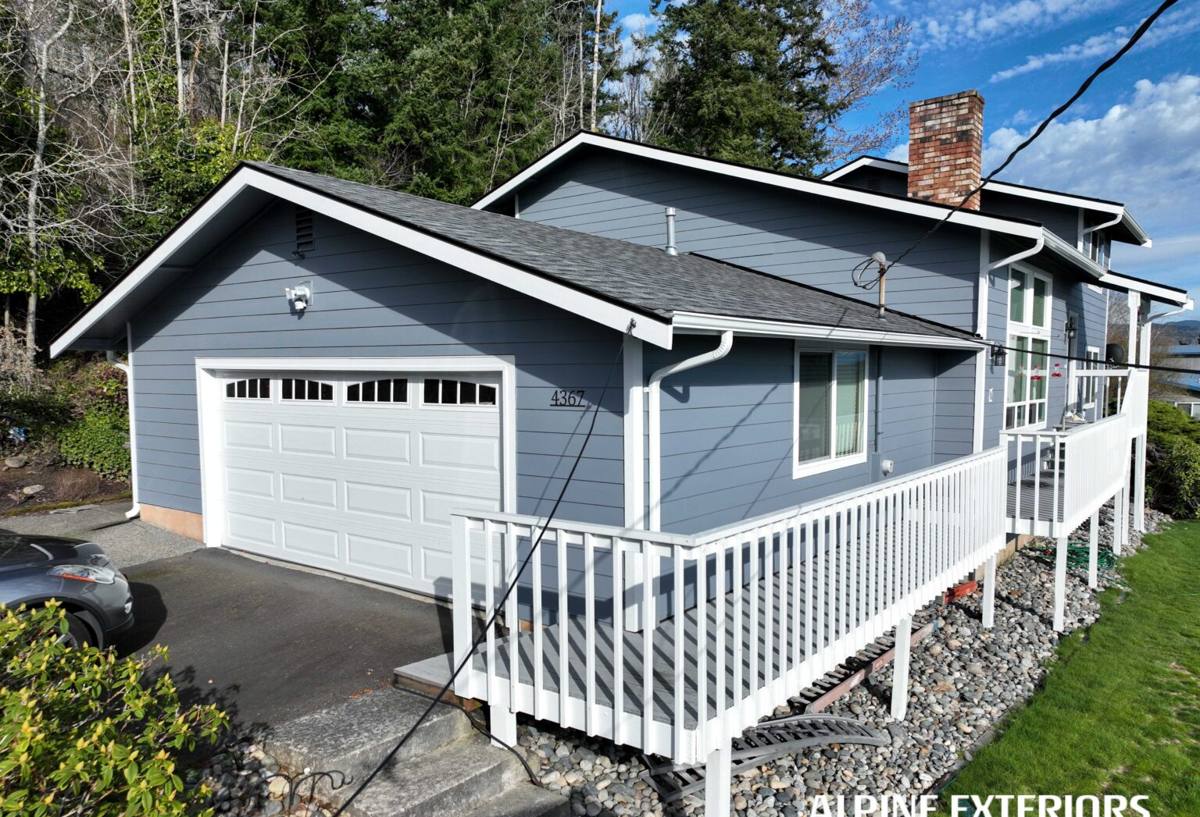
Why Similk Beach Roofs Wear Differently
Salt Air and Metal Fasteners
Airborne salt is corrosive, and it doesn't need to be a stone's throw from the water to do damage — it travels on the wind and settles on roofing metal, flashing, fasteners, and gutter systems. Over years, that exposure speeds up corrosion on anything metal that isn't rated or protected for coastal use. A roof that looks intact from the ground can have fasteners or flashing underneath that have quietly weakened.
Driving Rain and Wind Exposure
Western Washington gets a lot of straight-down rain, but waterfront and near-waterfront lots also catch wind-driven rain that comes in at an angle. That kind of rain finds its way under shingles, around chimney flashing, and into any gap that a calmer rain would never reach. Roofs here need details — flashing laps, underlayment, edge treatments — that are built for sideways water, not just water falling straight down.
A Long Moss Season
Skagit County's mild, wet climate gives moss and algae a long growing window, and shaded, tree-covered lots around Similk Beach are prime territory for it. Moss isn't just cosmetic. As it spreads across a roof surface it holds moisture against the material, lifts shingle edges, and works its way toward fasteners and seams. Left alone through a few wet seasons, it turns small vulnerabilities into real leaks.
Common Roof Problems We Find in This Area
- Lifted or cupped shingles along roof edges and ridges from repeated wind-driven rain exposure
- Corroded flashing and fasteners around chimneys, vents, and skylights, especially on older metal components
- Moss and algae buildup in shaded valleys, north-facing slopes, and areas under tree canopy
- Clogged or sagging gutters from needle and leaf debris, causing water to back up under roof edges
- Soft or stained decking where slow leaks have gone unnoticed under moss or debris
- Failing sealant around penetrations like plumbing vents and satellite mounts
What a Correct Repair Actually Involves
A lot of "roof repair" in practice is a bead of sealant slapped over a visible gap. That can buy a little time, but it doesn't address why the gap opened up in the first place, and in a climate like ours it tends to fail again within a season or two. We treat repair as a diagnostic job first and a materials job second.
Step 1: Find the Actual Source
Water rarely leaks in a straight line — it travels along rafters, decking, and underlayment before it shows up as a stain on a ceiling. We trace leaks back to where they're actually entering the roof system, not just where the damage is visible indoors.
Step 2: Assess What's Underneath
Once we're at the source, we check the decking, underlayment, and flashing in that area for moisture damage, rot, or corrosion. A shingle repair over compromised decking is a short-term fix that will need to be redone.
Step 3: Repair With Matching, Compatible Materials
We repair with materials and flashing details suited to coastal exposure — corrosion-resistant fasteners and flashing where salt air is a factor, and underlayment and flashing laps that account for wind-driven rain rather than assuming water only falls straight down.
Step 4: Address the Contributing Cause
If moss, debris, or poor drainage contributed to the failure, we deal with that too. A repair that ignores the underlying cause is a repair you'll be paying for again.
Our Repair Process
- Inspection and photos. We walk the roof (or use safe elevated access where the pitch or condition calls for it) and document what we find, including areas beyond the specific complaint that are worth flagging.
- Honest diagnosis. We explain what's actually happening — where water is getting in, why, and what it will take to fix it correctly.
- Written scope and estimate. You get a clear explanation of the repair, the materials involved, and the cost before any work starts.
- The repair itself. Work is done with attention to the surrounding roof system, not just the failure point, so the fix integrates cleanly instead of creating a new weak spot.
- Cleanup and walkthrough. We clear debris, haul away old material, and go over what was done and what to watch for going forward.
Repair or Replace? Factors That Matter Here
Not every roof problem in Similk Beach means a full replacement, but coastal exposure does shift the math compared to a sheltered, inland roof. Here's how we think through it:
| Factor | Leans Toward Repair | Leans Toward Replacement |
|---|---|---|
| Age of roofing material | Under roughly 15 years, or well-maintained | Near or past the material's expected service life |
| Extent of damage | Isolated to one section or penetration | Spread across multiple slopes or the whole roof |
| Decking condition | Solid, dry decking under the damaged area | Soft, stained, or rotted decking found during inspection |
| Flashing and fastener condition | Localized corrosion, easily replaced in the repair area | Widespread corrosion across metal components |
| Moss/algae history | Recent buildup, roof surface still intact underneath | Years of moss growth with confirmed material breakdown |
| Repair frequency | First real issue in years | Repeated repairs to the same or nearby areas |
When a roof is genuinely repairable, we say so and repair it — a full replacement isn't the right call just because a roof is old or has moss on it. When the underlying material or decking is compromised, we'll tell you that too, along with why patching it further wouldn't be a responsible use of your money.
Moss, Debris, and Ongoing Roof Care
Because moss season runs long here, staying ahead of it matters more than it would in a drier climate. A roof that's kept clear of debris and moss buildup holds up significantly longer, and it's a lot cheaper than repeated repair calls. A few habits go a long way between service visits:
- Keep gutters clear of needles and leaf litter so water isn't backing up under roof edges
- Trim back tree limbs that overhang the roof to reduce shade and debris drop
- Have moss and algae growth treated before it spreads across a full slope
- Check attic spaces periodically for signs of moisture, staining, or musty odor
- Have flashing around chimneys, vents, and skylights inspected every few years, not just when there's a visible leak
Roofing Materials We Repair
Similk Beach has a mix of composition shingle, metal, and some cedar and flat or low-slope roofing, and we work on all of them. Each material fails differently in coastal conditions — shingles lift and granulate, metal roofing corrodes at fasteners and seams, cedar dries and splits or holds moisture where it's shaded, and low-slope membranes are especially sensitive to standing water and debris. Repair technique and materials get matched to what's actually on your roof, not applied as a one-size-fits-all patch.
Why Hire a Crew That Already Works Similk Beach
A roofer who mostly works drier, more sheltered neighborhoods can still do competent work, but they may not default to coastal-grade fasteners, or think to check flashing corrosion that wouldn't show up in their usual service area. Working regularly in Similk Beach and along the rest of the Anacortes waterfront means we're used to diagnosing salt-air corrosion, wind-driven rain intrusion, and moss-related decking damage as a matter of course — not as an unusual case. That familiarity shows up in fewer repeat visits and repairs that actually account for the conditions your roof lives in every day.
It also means we're not guessing at what Skagit County's weather does to a roof over time. We've seen how these roofs age, what fails first, and what's worth fixing versus what's worth replacing — and we'll give you that assessment straight, whether it's a small repair or something bigger.
If you've got a leak, missing shingles, moss buildup, or just want an honest look at where your roof stands, we're happy to come take a look. Reach out for a free, no-pressure estimate using the form below.