 Anacortes
 Why Similk Beach Siding Takes a Different Approach
Similk Beach sits close enough to the water that the weather rarely acts like it does a few miles inland. Homes here take a steadier beating from salt-laden air, wind-driven rain that comes in sideways off the water, and a long, damp moss season that lingers on north-facing walls well into what should be dry summer weeks. Siding that would hold up fine on a sheltered lot in town can start showing problems within a few years on a waterfront property like this. Installing siding correctly at Similk Beach isn't about using a fancier product — it's about respecting what the site actually does to a wall system over time.
We install exclusively James Hardie fiber cement siding, and on properties like the ones along Similk Beach, the reasons for that go beyond preference. This is a page about one job, done right, in one specific place: siding installation for Similk Beach homes.
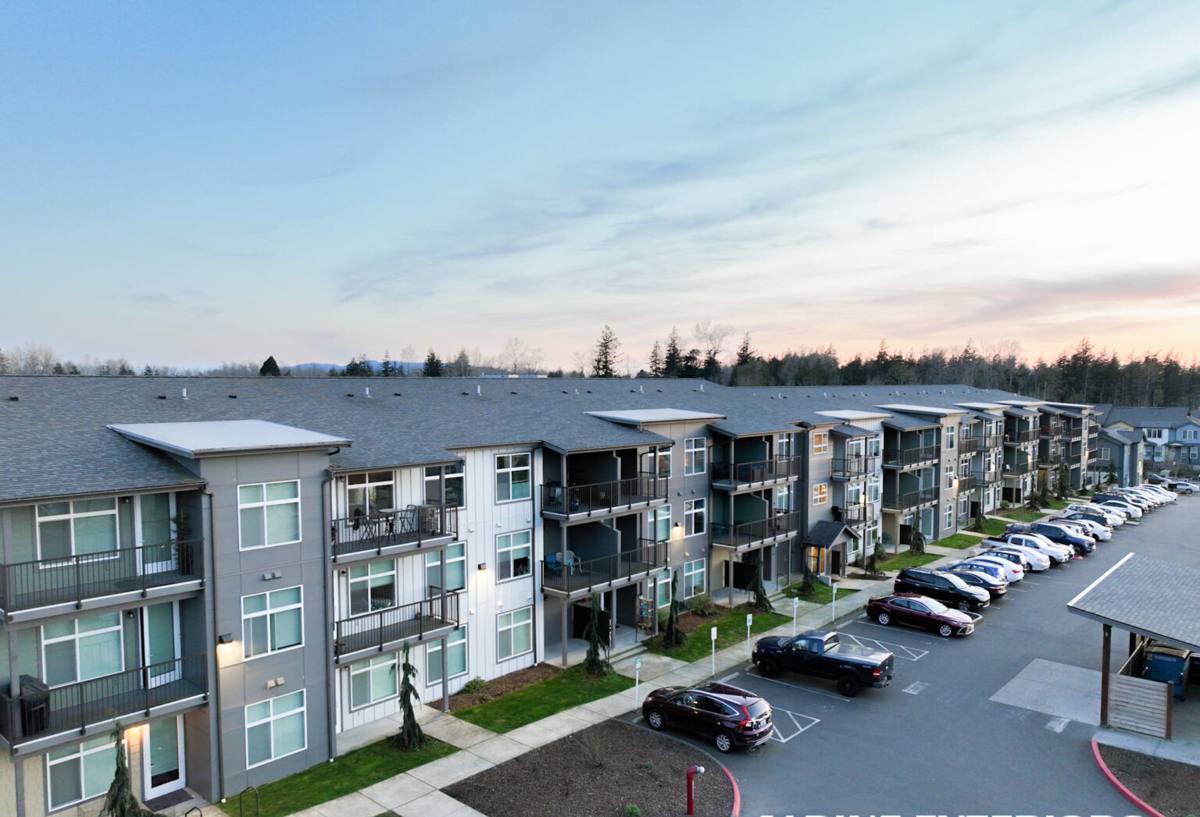
What the Similk Beach Environment Does to a House
Salt Air
Airborne salt from the water settles on siding, trim, and fasteners. Over years, it accelerates corrosion in metal components and can degrade coatings that aren't formulated to resist it. Materials and finishes that aren't rated for coastal exposure tend to chalk, fade, or corrode faster here than the manufacturer's general warranty language would suggest.
Driving Rain
Wind off the water doesn't just drop rain straight down — it drives it horizontally into wall assemblies, seams, and every trim joint. A siding system with weak water-shedding details (poor flashing, tight or caulk-dependent joints, insufficient overlap) will let moisture find its way behind the cladding. Once water gets behind siding on a coastal lot, it doesn't dry out quickly, because the air itself stays humid.
Moss and Sustained Dampness
Skagit County's marine climate keeps shaded and north-facing walls damp for long stretches, and Similk Beach's proximity to the water only adds to that. Moss and algae take hold readily on surfaces that hold moisture or organic residue, and once established they hold even more water against the wall behind them.
None of this means a house at Similk Beach can't have great-looking, long-lasting siding. It means the material and the installation both have to be chosen with this specific exposure in mind, not a generic "siding is siding" assumption.
What Correct Installation Involves Here
A siding job that's going to hold up on a waterfront lot starts before the first board goes up.
Site and Wall Assessment
- Checking existing sheathing and framing for hidden moisture damage from prior water intrusion
- Evaluating which elevations take the most direct wind-driven rain and salt exposure
- Confirming the weather-resistive barrier (house wrap) is intact, properly lapped, and not compromised by old fastener penetrations
- Identifying areas prone to moss and shade so drainage and ventilation get extra attention
Water Management Details
This is where most siding failures on coastal homes actually originate — not in the siding material itself, but in the flashing, joint, and drainage details around it. Correct installation means proper flashing at every window and door, correct head flashing and kick-out flashing where rooflines meet walls, a drainage plane that lets any incidental moisture escape rather than pool, and joints and butt seams sealed and caulked to manufacturer spec rather than left to "look fine."
Fastening for Coastal Conditions
Fastener choice matters more here than inland. We use corrosion-resistant fasteners appropriate for the exposure, set to the manufacturer's specified pattern and depth — not overdriven (which cracks fiber cement and lets water in) and not underdriven (which leaves boards loose and prone to wind damage in a storm).
Why We Install Only James Hardie Fiber Cement
We don't offer vinyl, LP SmartSide, or primed wood siding, and on a site like Similk Beach the trade-offs of those materials are more pronounced, not less.
Vinyl
Vinyl can warp, oil-can, or become brittle with age, and in a driving-rain, high-wind coastal setting it's more prone to being pulled loose or letting water track behind panel laps. It's also a poor match visually for the more custom, higher-end look many waterfront homes are going for.
Engineered Wood (LP SmartSide) and Primed Wood/Cedar
These products rely on a wood-based substrate. In a climate with sustained dampness and a long moss season, wood-based siding needs diligent, ongoing maintenance — recaulking, repainting, and prompt repair of any moisture entry point — to avoid swelling, rot, or delamination at cut edges and seams. That's a maintenance burden that only grows in a salt-air, high-moisture environment.
James Hardie's Fit for This Site
James Hardie fiber cement is non-combustible, dimensionally stable, and doesn't rot, swell, or attract insects the way wood-based products can. The factory-applied ColorPlus finish is baked on under controlled conditions and resists fading and chalking far better than field-applied paint — which matters on a wall that's going to see years of UV and salt exposure. Hardie also produces climate-engineered HZ product lines specifically for wetter regions, and for a site like Similk Beach that's directly exposed to marine weather, that's the specification we use.
Material Comparison for a Coastal Similk Beach Site
| Material | Moisture/Salt Behavior | Maintenance Needs | Typical Lifespan Here |
|---|---|---|---|
| Vinyl | Can warp/loosen in driving wind and rain; seams can let water track behind | Low, but damage is hard to spot-repair | Variable, often shorter in exposed coastal wind |
| LP SmartSide / Engineered Wood | Wood-based substrate sensitive to sustained dampness and edge exposure | Regular caulk/paint upkeep, prompt repair needed | Depends heavily on maintenance diligence |
| Primed Wood / Cedar | Natural material, prone to moisture absorption without vigilant upkeep | High — repainting/refinishing cycle | Shorter without consistent maintenance |
| James Hardie Fiber Cement (HZ line) | Non-combustible, dimensionally stable, engineered for wet climates | Low — factory finish, minimal recoating | Long-term with correct installation |
Our Process for Similk Beach Homes
1. On-Site Evaluation
We walk the exterior, check current siding and sheathing condition, note which walls take the most weather, and talk through what the homeowner has actually experienced — drafts, staining, moss buildup, or past repairs are all useful information.
2. Written Scope and Product Spec
We specify the Hardie product line, profile, and color, along with the flashing and water-management details for that specific house, so there's no ambiguity about what's being installed and how.
3. Prep and Removal
Old siding comes off carefully so we can inspect the wall assembly underneath before anything new goes on. Any compromised sheathing or house wrap gets addressed before installation — covering it up would just trap the same problem behind new siding.
4. Installation to Manufacturer Spec
Fastener pattern, clearances, joint treatment, and flashing are all installed to James Hardie's published specifications, which is also what keeps the manufacturer's warranty intact.
5. Final Walkthrough
We review the finished work with the homeowner, including care and maintenance basics specific to a marine-exposure site.
Signs of a Properly Installed Siding Job
- Consistent, correct fastener spacing with no overdriven or split boards
- Flush, properly caulked joints with no visible gaps at corners or trim
- Flashing visible and integrated at every window, door, and roofline intersection — not hidden behind caulk alone
- Clearance maintained between siding and grade, decks, or roofing to avoid moisture wicking
- Even reveal lines and straight coursing across the whole elevation
Why Hiring a Crew That Already Works Similk Beach Matters
A crew that has installed siding on other homes in this specific area already knows which elevations at Similk Beach take the worst of the wind and rain, how fast moss establishes on shaded walls here, and what flashing and drainage details actually hold up against sustained coastal exposure — versus what merely meets code on paper. That local, site-specific experience shows up in fewer callbacks and a job that's still performing well a decade later, not just on installation day.
It also means fewer surprises during the estimate. A contractor unfamiliar with waterfront conditions may underbid the water-management work because they're pricing a standard inland installation. We price Similk Beach jobs for what the site actually requires.
What This Means for Your Home
If your Similk Beach home has siding that's showing moss staining, soft spots, fading beyond what a factory finish should show, or visible gaps at seams and trim, those are the early signs that the current siding system isn't managing this site's weather the way it should. Replacing it with a correctly installed James Hardie system, specified for marine exposure, addresses the actual cause rather than just refreshing the surface.
We're happy to walk your property, look at what's going on with your current siding, and put together a clear, no-pressure estimate for a Hardie installation built for Similk Beach conditions — just fill out the form below to get started.