 Anacortes
 Energy-Efficient Windows for Sedro-Woolley Homes
Sedro-Woolley sits far enough inland from Anacortes to escape the worst of the direct salt spray, but it still shares the same weather system that moves through Skagit County: long stretches of driving rain, heavy winter humidity, and short, low-angle daylight for months at a time. Windows here have to do two jobs at once — keep conditioned air inside during the cold, wet season, and shed water without letting it find a way into the wall framing. When either job fails, homeowners notice it as higher heating bills, cold drafts near the glass, or soft trim and staining that shows up years before it should.
Our crew works window replacement jobs across Skagit and Island County, including a steady run of jobs in and around Sedro-Woolley, so we're not learning the local conditions on your project. We know which window styles hold up to this climate, which installation details actually matter here, and which shortcuts cause callbacks two winters down the road.
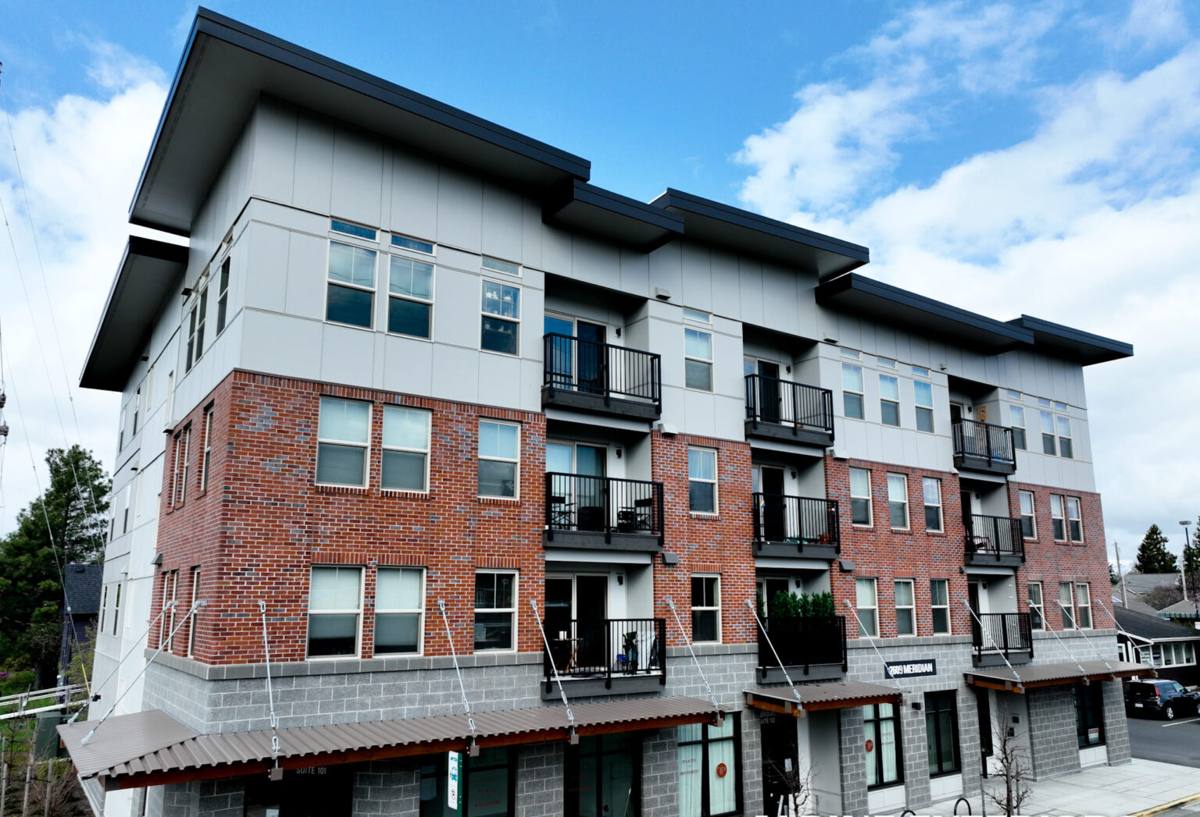
What This Climate Actually Does to Windows
It helps to understand what you're up against before you pick a window or a contractor.
Moisture load, not just rain volume
Skagit County doesn't get the heaviest rainfall in the state, but it gets a lot of low-intensity, long-duration rain combined with high ambient humidity. That combination keeps wood trim, sills, and sheathing damp for extended periods rather than letting things dry out quickly between storms. Any gap in flashing or sealant has more time to do damage before anyone notices.
Moss and organic growth
The same damp, shaded conditions that grow moss on roofs and north-facing siding will colonize window sills, trim, and caulk lines if those surfaces stay wet. Moss and algae hold moisture against the material longer, which accelerates wood rot and breaks down cheap sealants faster than a dry climate would.
Temperature swings and condensation
Interior humidity from cooking, showers, and heating systems condenses on cold glass and frames during winter. Older single-pane or poorly sealed windows fog up, drip onto sills, and contribute to the same rot problems as exterior moisture — from the inside.
Signs Your Windows Are Underperforming
- Visible condensation or fog between the panes of a double-pane unit (a sign the seal has failed)
- Cold air noticeable near the glass or frame even when the window is fully closed
- Wood sills or trim that feel soft, spongy, or show dark staining
- Rising heating bills without a clear change in usage
- Difficulty opening, closing, or locking windows due to swollen frames
- Visible daylight or drafts around the frame perimeter
- Moss, algae, or black streaking building up on sills and trim
What "Energy-Efficient" Actually Means for This Climate
Energy-efficient window ratings are national numbers, but not every efficient window is the right fit for a marine, high-humidity climate like ours. A few factors matter more locally than the sticker alone suggests.
U-factor and the local heating season
U-factor measures how well a window resists heat loss — lower is better. Given how many months of the year Sedro-Woolley homes run heat, a window with a genuinely low U-factor pays for itself faster here than in a milder or drier climate where heating season is shorter.
Air infiltration rating matters as much as glass
A window can have excellent glass and still leak air around a poorly fitted sash or a frame that isn't properly sealed to the rough opening. In wind-driven rain, a gap that lets air through will often let water through too. We pay close attention to air infiltration ratings and, more importantly, to how tightly the unit is actually installed.
Frame material and moisture behavior
Vinyl and fiberglass frames don't absorb water or support rot the way wood can, which is a real advantage in a climate this damp. Wood and wood-clad windows can still look great and perform well, but they need consistent maintenance — repainting, caulk checks, and prompt repair of any finish failure — to hold up here long term. We'll walk you through that trade-off honestly rather than push whatever's easiest to install.
| Factor | Why It Matters in Skagit County |
|---|---|
| Low U-factor | Long heating season means better insulation value pays back faster |
| Low air infiltration rating | Wind-driven rain follows air leaks; tighter seals resist both cold and water |
| Frame material | Moisture-resistant frames reduce long-term rot risk in a wet climate |
| Proper flashing detail | Prevents water intrusion behind siding during sustained rain events |
| Glass package (Low-E, gas fill) | Reduces condensation risk and improves comfort near the glass in winter |
What a Correct Installation Involves
The window unit itself is only part of the performance equation. How it's installed determines whether it actually delivers the efficiency and water resistance it's rated for.
Removal and opening prep
We remove the old window carefully and inspect the rough opening, sill, and surrounding framing for hidden water damage or rot before anything new goes in. In a climate like this, it's common to find soft framing behind an old window that looked fine from outside — catching that now is far cheaper than dealing with it later.
Flashing and water management
Correct flashing — sill pan, jamb flashing, and head flashing integrated with the house wrap or building paper — is what actually keeps water out, not caulk alone. This is the single detail most likely to be rushed on a cut-rate installation, and it's the one most likely to cause damage years after the crew has left.
Air sealing around the frame
Between the window frame and the rough opening, we use appropriate low-expansion foam or backer rod and sealant to close air gaps without bowing the frame out of square — a common mistake with over-applied foam that can actually hurt window operation and performance.
Interior and exterior finish
Trim, caulk lines, and paint or stain get finished to shed water and match the look of the home, with attention to any wood components that will need periodic maintenance going forward.
Our Process for Sedro-Woolley Homeowners
- On-site assessment — We look at your existing windows, framing condition, and how your home is oriented to wind and rain exposure.
- Honest product recommendation — We'll explain the real trade-offs between frame materials and glass packages for your budget and home, without steering you toward whatever's most profitable for us.
- Written estimate — Clear scope, materials, and timeline before any work begins.
- Careful removal and inspection — Any hidden rot or damage gets flagged and discussed before we proceed, not discovered as a surprise change order.
- Installation with proper flashing and air sealing — The details that determine whether the window performs for the next twenty years, not just the next two.
- Final walkthrough — We check operation, sealing, and finish work with you before calling the job done.
Checklist: What to Ask Any Contractor Before You Hire
- Do they inspect and address rot or water damage found during removal, or just install over it?
- Can they explain their flashing method, not just the window brand they sell?
- Do they carry appropriate licensing and insurance for exterior work in Washington?
- Will they put the scope of work and materials in writing before starting?
- Do they have experience with homes in this specific climate, not just general window installation?
- What's covered under warranty — the glass unit, the labor, or both — and for how long?
Maintaining Energy-Efficient Windows in a Wet Climate
Even a well-installed window needs some upkeep to keep performing in Skagit County's conditions. Check weep holes at the base of the frame periodically to make sure they're clear and draining. Keep an eye on exterior caulk lines for cracking or separation, especially after a hard winter. If you have wood trim or wood-clad frames, plan on repainting or restaining on a regular cycle rather than waiting until you see failure — catching a finish problem early is far cheaper than replacing rotted trim later. And if moss or algae starts building up on sills, clean it off before it holds moisture against the material long-term.
Get a Straight Answer on Your Windows
If your Sedro-Woolley home has windows that are drafty, fogging, hard to operate, or just old enough that you're wondering whether it's time, we're happy to take a look and give you an honest read on what you actually need — no pressure, no upsell. Fill out the form below and we'll set up a free estimate.