 Anacortes
 Why Old Town Anacortes Homes Take a Different Kind of Weather Beating
Old Town Anacortes sits close enough to the water that homes here deal with a combination most inland Skagit County properties never see: salt-laden air drifting off the marine waters, wind-driven rain that comes in sideways during winter storms, and a moss season that, in this climate, is less a "season" than most of the year. That combination is hard on exterior materials in specific ways. Salt air accelerates corrosion on fasteners and metal trim. Driving rain finds every gap in a siding installation that wasn't detailed correctly, pushing moisture behind the cladding instead of shedding it. And the near-constant dampness from fall through spring gives moss, algae, and mildew exactly the conditions they need to take hold on anything that stays wet too long.
None of this means siding is doomed to fail here — it means the material and the installation both have to be chosen with this specific exposure in mind. That's the lens we bring to every fiber cement siding project in this neighborhood.
The Older Housing Stock of Old Town Anacortes
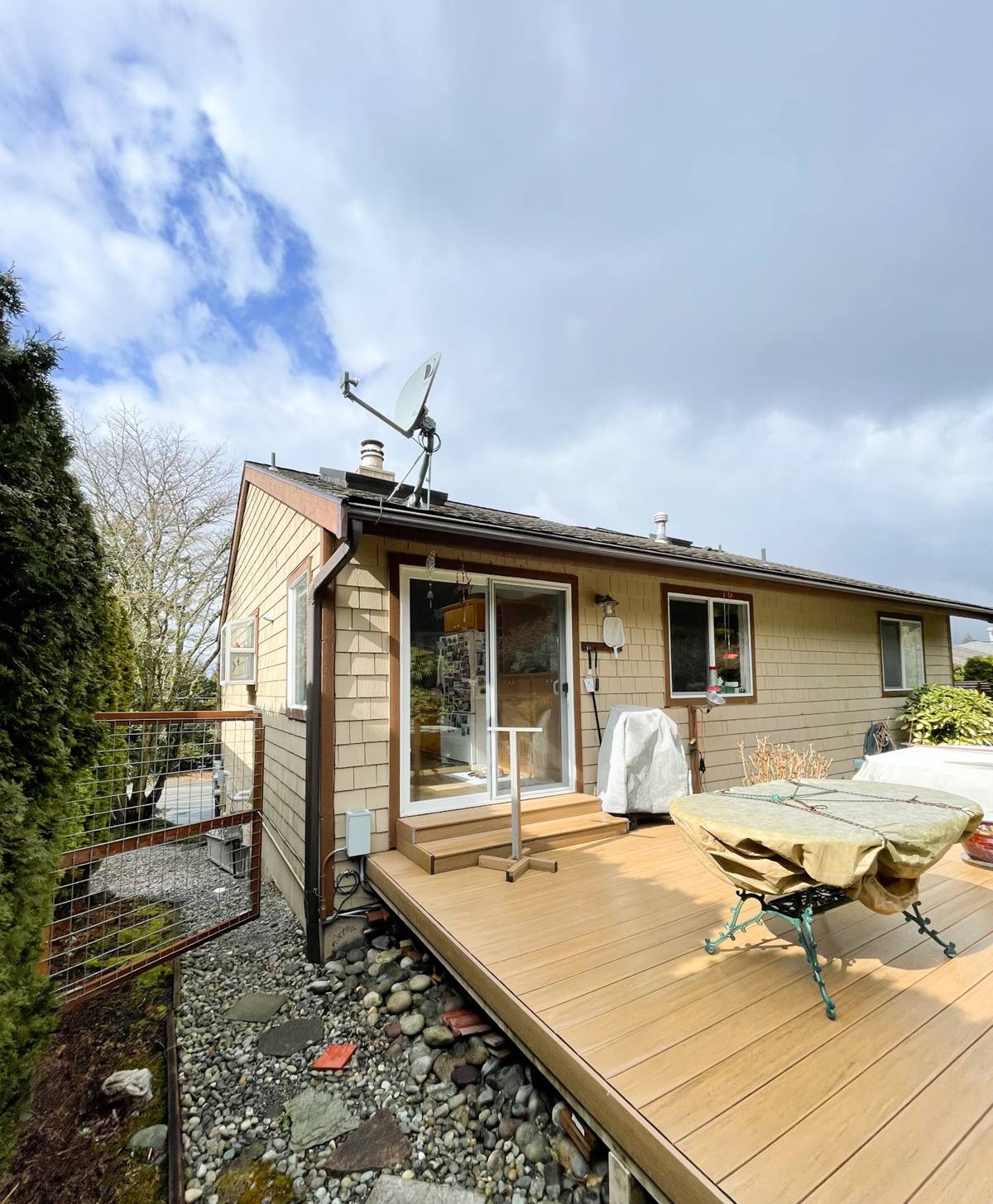
Old Town is one of Anacortes' older residential areas, and it shows in the housing stock: a mix of early-to-mid-20th-century homes, additions built at different times with different materials, and siding that's often been patched, repainted, or partially replaced over the decades rather than done all at once. That history matters when we're scoping a siding job. We're rarely working with a blank, uniform wall — we're working with a home that has its own quirks, past repairs, and sometimes mismatched trim or transitions between original construction and later additions.
Homeowners here also tend to care about how a home fits into the character of an older neighborhood. A siding job that looks obviously modern or mismatched against the rest of the street stands out in a way it wouldn't in a newer subdivision. Fiber cement siding, especially in a lap profile with a factory finish, gives us the flexibility to match traditional siding proportions and color while actually improving performance underneath.
Why We Only Install James Hardie Fiber Cement Siding
We standardized on James Hardie fiber cement and don't install vinyl, LP SmartSide, Cemplank, Allura, or bare cedar or primed spruce siding. That's a deliberate professional standard, not a knock on every homeowner who has one of those products already on their house. Vinyl is inexpensive and low-maintenance, but it's a poor match for a marine climate — it expands and contracts with temperature swings, can warp or crack in wind, and offers no real fire resistance. Wood siding, whether cedar or primed spruce, needs consistent upkeep to survive the moss and moisture cycle described above, and that upkeep is exactly what a lot of homeowners are trying to get away from. LP SmartSide and other wood-strand composite products perform reasonably well when detailed correctly, but they're still an engineered wood product at the core, and moisture intrusion at a cut edge or fastener point is a real long-term risk.
James Hardie fiber cement is a cement-and-cellulose composite — it's non-combustible, it doesn't rot, and it holds paint and factory finish far longer than wood. Hardie also makes climate-engineered product lines (the HZ5 line is built for regions like ours with significant moisture exposure), and its ColorPlus factory finish is baked on under controlled conditions rather than field-applied, which matters a lot when you're trying to avoid repainting every few years in a climate that doesn't give paint much of a break. Hardie also backs its products with a strong, transferable warranty, which carries real value if you ever sell the home.
What a Correct Fiber Cement Job Actually Involves Here
Moisture Management Comes First
Fiber cement siding itself is highly moisture-resistant, but the wall assembly behind it is what actually determines whether a home stays dry. That means a proper weather-resistive barrier, correctly lapped and taped seams, and flashing at every window, door, and roofline transition — details that matter everywhere but matter more here, where wind-driven rain actively tests every seam. On homes with more sheltered wall exposure we'll sometimes evaluate whether a rainscreen gap behind the siding makes sense to let any incidental moisture drain and dry rather than sit against the sheathing.
Fastening, Clearances, and Flashing
Hardie's installation specifications call for specific fastener types, spacing, and penetration depth, and for minimum clearances between the bottom of the siding and grade, roofing, decks, and other horizontal surfaces. Skipping those clearances is one of the most common causes of moisture problems on any siding job, not just fiber cement — it's an easy step to shortcut and an expensive one to fix later. Given the salt content in the air near the water, we also pay attention to fastener and trim material to limit corrosion over time.
Caulking and Field-Painted Seams
Even with a factory finish on the panels themselves, field-cut edges and certain joints need to be primed and caulked with a product rated for the application. Done sloppily, this is where moss and water staining show up first — usually within a couple of wet seasons. Done correctly, it's a detail nobody notices, which is the point.
Our Process for Old Town Anacortes Projects
Inspection and Assessment
We start by walking the exterior and, where accessible, checking for signs of moisture intrusion behind the existing siding — soft sheathing, staining, or damaged trim. This tells us whether we're dealing with a straightforward re-side or whether there's underlying repair work to address first.
Tear-Off and Prep
Old siding and damaged trim come off, the sheathing gets inspected and repaired as needed, and the weather-resistive barrier and flashing details go in before a single piece of new siding is hung. This stage is where most of the long-term performance of the job actually gets decided.
Installation
Hardie siding, trim, and accessories go on to manufacturer spec — correct fastener pattern, correct clearances, correct lap and joint treatment. We work in a way that respects the proportions and look of the existing home rather than defaulting to a one-size-fits-all approach.
Final Walkthrough
We finish with cleanup and a walkthrough so you can see the completed work and ask questions before we consider the job done.
Matching Hardie Products to This Neighborhood's Homes
James Hardie makes several siding profiles, and the right one depends on the home's existing style and what you're trying to achieve. Here's how the main options compare for a project like this:
| Product | Best Fit | Look | Maintenance |
|---|---|---|---|
| HardiePlank Lap Siding | Traditional and older-style homes, the most common choice in established neighborhoods | Classic horizontal lap, several width and texture options | Low; factory finish, occasional wash |
| HardieShingle Siding | Homes with cottage, craftsman, or shingle-style detailing | Staggered or straight-edge shingle profile | Low; holds finish well in damp climates |
| HardiePanel Vertical Siding | Accent walls, gables, or modern-leaning additions | Clean vertical lines, often paired with lap siding | Low; good for board-and-batten style detailing |
For most Old Town homes, HardiePlank in a traditional lap width is the closest match to what's already there, with HardieShingle or panel accents used selectively where a home's architecture calls for it.
What Drives Cost on an Old Town Anacortes Siding Job
Every home is different, but the same handful of factors tend to move the price up or down on projects in this neighborhood:
- How much of the existing siding, trim, or sheathing needs to be removed and repaired versus just covered
- The complexity of the home's shape — dormers, bump-outs, and multiple roof transitions add labor and flashing detail
- Whether moisture damage is found once the old siding comes off, which is more common on older homes that haven't been re-sided in decades
- Product selection — lap width, texture, and where shingle or panel accents are used
- Access and site conditions, including narrower lots or limited staging space common in older neighborhoods
We give a firm, itemized estimate after seeing the home in person rather than a rough number over the phone, since guessing on any of the factors above tends to lead to surprises later.
Signs Your Siding Is Ready to Be Replaced
- Persistent moss or algae growth that returns soon after cleaning
- Soft spots, bubbling, or visible rot at the bottom edges or around window and door trim
- Paint that's peeling or failing faster than a normal repaint cycle would suggest
- Visible cracking, warping, or gaps between siding boards
- Rising heating bills or noticeable drafts that point to a failing weather barrier behind the siding
- Siding that's been patched multiple times with materials that don't quite match
Why Hiring a Crew That Already Works This Neighborhood Matters
A siding contractor who's worked in Old Town Anacortes before knows things a first-timer has to learn on your dime: how exposure to wind and rain differs from one block to the next depending on proximity to the water, how older homes in this area were typically built and where problems tend to hide, and how to navigate Skagit County and City of Anacortes permitting for exterior work. That familiarity shows up in fewer surprises during the job and a finished result that respects the character of the home and the street it sits on, not just a generic install.
If you're weighing a siding project for a home in Old Town Anacortes, we're happy to take a look and walk you through what we'd recommend — no pressure, no obligation. Use the form below to request a free estimate.