 Anacortes
 Why Mount Vernon Homes Need Windows Built for This Climate
Mount Vernon sits inland along the Skagit River, a few miles off the saltwater but still well within reach of the marine air that moves through the Skagit Valley off the Salish Sea. That means homes here don't take the direct salt spray that a house right on the Anacortes waterfront does, but they get the same driving rain, the same low winter sun angle, and the same long stretch of damp, overcast weather that keeps everything outdoors wet for months at a time. Windows are one of the first places that shows up. A window that's a good fit for a drier inland climate can still fail here — not because the glass is bad, but because the install wasn't built for how much water actually hits this wall.
When we talk about "custom windows" for a Mount Vernon home, we're talking about matching the unit, the flashing, and the installation sequence to a valley climate that stays wet longer than most of the country, with enough shaded, humid microclimates around mature trees and river-bottom lots to grow moss on just about anything that sits still.
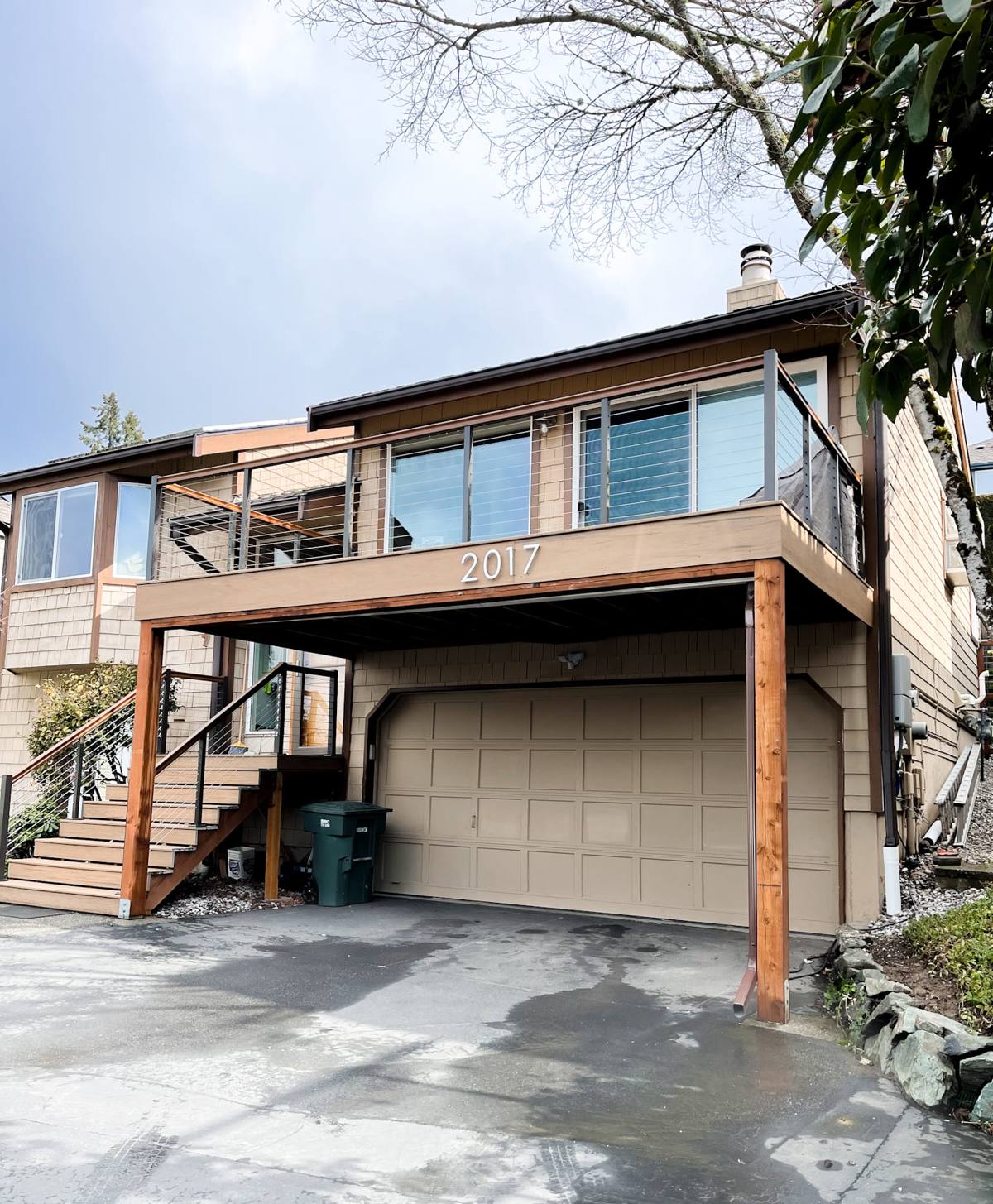
What "Custom" Actually Means for a Window Job
Custom doesn't just mean an unusual size, though that's part of it. A lot of Skagit Valley housing stock includes older farmhouses, converted river-bottom homes, and additions built in stages over decades — none of which necessarily line up with today's standard window dimensions. Custom window work covers:
- Openings that are out of square or slightly out of level from decades of settling
- Non-standard sizes where a stock window would leave gaps to fur out or shim
- Matching sightlines and grille patterns across a home that's been added onto over time
- Working around existing trim, siding, or masonry that the owner wants to keep intact
- Replacing failed original windows without disturbing the surrounding wall assembly more than necessary
None of that is exotic work, but it's work that has to be measured and planned per-opening rather than ordered off a size chart. Rushing this step is where a lot of window problems start before the window is even delivered.
Choosing the Right Window Material for the Skagit Valley
There's no single "best" window material — there's a best fit for the house, the budget, and how much upkeep the owner wants to take on. In a climate that stays wet for a good part of the year, moisture behavior and maintenance load matter as much as looks.
| Material | Moisture & Rot Resistance | Maintenance | Relative Cost | Best Fit |
|---|---|---|---|---|
| Vinyl | Doesn't rot; seams and welds matter for long-term weathertightness | Low — no painting or sealing | Budget-friendly | Most replacement projects, straightforward openings |
| Fiberglass | Very stable in wet, temperature-swinging conditions; won't warp or rot | Low | Mid to higher | Larger openings, higher-end remodels, long-term durability priority |
| Wood-clad | Good if the cladding and flashing are done right; the wood core is the risk if water gets behind it | Higher — depends on the cladding and finish | Higher | Historic or traditional-style homes where wood interior sightlines matter |
| Aluminum | Doesn't rot, but conducts cold and can condense in our damp winters unless thermally broken | Low | Mid | Specific architectural or commercial-style applications |
For most Mount Vernon homes, vinyl or fiberglass ends up being the practical choice — both shrug off the region's moisture without asking the homeowner to keep up with painting or sealant maintenance on a schedule they'll forget. Wood-clad windows can absolutely work here, but we're upfront that they only perform as well as their weakest flashing detail, since the wood core has no tolerance for water intrusion the way vinyl or fiberglass does.
The Installation Details That Actually Determine Whether Windows Last
The window unit itself is usually not what fails first — the installation around it is. In a climate with as much wind-driven rain as the Skagit Valley gets, water is going to reach the window opening. The job of a correct installation is to control where that water goes so it never gets behind the siding or into the framing.
Flashing and the Water Path
Every opening needs a flashing sequence — usually a sill pan, side flashing, and head flashing — installed in the correct shingled order so water always drains outward and down, never inward. Skipping or shortcutting this step is invisible on installation day and only shows up years later as rot inside the wall.
Sealant Is Not a Substitute for Flashing
Caulk and sealant have a job, but it's a secondary one. Sealant fails over time — UV exposure, temperature swings, and age all break it down eventually. A window that depends on a bead of caulk as its only line of defense against our rainy season is a window that's going to leak once that caulk lets go. Flashing is the permanent water management system; sealant just backs it up.
Sill Pans and Sloped Sills
A sill pan under the window, sloped slightly to the exterior, gives any water that does get past the glazing somewhere to go besides straight down into the framing. This is a small detail that's easy to skip and expensive to fix later.
Moss, Mildew, and the Slow Damage of a Long Wet Season
The Skagit Valley's moss season is long, and it doesn't just grow on roofs. Window sills, trim, and the top of casings are all candidates, especially on shaded sides of a house or under overhangs that stay damp longer than the rest of the wall. Moss and algae hold moisture against wood trim and paint, which accelerates exactly the kind of slow rot that a good flashing detail is supposed to prevent. On older wood-trimmed windows, this shows up as soft or discolored wood at the sill corners — often the first visible sign that water has been sitting there for a while. Keeping window trim clear of moss buildup and making sure sills are sloped to shed water isn't cosmetic — it's part of what keeps the whole window assembly dry.
Energy Performance and Comfort Year-Round
Good windows do double duty here — keeping wind-driven rain out and keeping heat in during a long heating season. Modern double-pane units with a low-E coating meet or exceed Washington's current energy code requirements and make a real difference in comfort near the glass on cold, damp mornings, which are common through the winter in this part of the valley. Triple-pane glass is available and does perform better, but for most Mount Vernon homes the added cost isn't always justified by the marginal gain over a quality double-pane low-E unit — it depends on the specific room, orientation, and how the house is used. We'll walk through that trade-off honestly rather than upselling glass a house doesn't need.
Condensation on the inside of window glass in winter is common in this climate and is usually about household humidity and ventilation, not a defective window — worth mentioning because it's one of the most common questions we get after an install.
Signs Your Current Windows Are Already Losing the Fight
Most window failures give warning signs well before there's visible interior damage. Worth checking for:
- Fogging or a hazy film between the panes of a double-pane window (means the seal has failed)
- Noticeable draft at the frame edge on a windy, rainy day
- Paint peeling or bubbling on wood trim around the window, especially at the bottom corners
- Wood that feels soft or spongy when pressed near the sill or lower corners
- Moss or dark staining building up on the sill or trim faster than the rest of the wall
- Windows that stick, won't latch fully, or have visibly sagged in the frame
- Musty smell near a window that isn't explained by anything else in the room
Any one of these on its own isn't an emergency, but they're worth a look before the next wet season, since water damage around a window opening tends to get more expensive the longer it's left alone.
Our Process for a Mount Vernon Custom Window Project
We keep the process straightforward and in-person, because window work is one of those jobs where the details on-site matter more than anything in a brochure.
- On-site assessment. We look at each opening individually — condition of the existing frame, any signs of past water intrusion, and how the house was built.
- Exact measurement and product selection. Every opening gets measured on its own; we walk through material and glazing options based on the house, the budget, and the specific exposure of that wall.
- Removal and inspection. Once the old window comes out, we check the framing underneath for hidden rot or past moisture damage before anything new goes in — this is often where we find out whether a previous install was done right.
- Flashing and installation. Sill pan, flashing sequence, and the window itself go in following a sequence that keeps water moving out and down, not into the wall.
- Finish and cleanup. Interior and exterior trim work finished to match the house, job site cleaned up, and a walkthrough so you know exactly what was done.
Why Local Experience in Skagit County Matters
A crew that works Mount Vernon and the surrounding Skagit County area regularly has already seen how the valley's older housing stock was built, where moisture problems tend to show up first, and what a correctly detailed window install needs to hold up through another wet season. That's different from general familiarity with windows — it's familiarity with how water actually moves through walls in this specific climate, on this specific kind of housing stock. It also means we're not guessing at permitting or code requirements for the area, and we're not learning the region's weather patterns on your project. For a job where the installation details matter more than the product label, that local track record is worth something.
If you're weighing window replacement or a custom window project for a Mount Vernon home, we're glad to take a look and give you a straight, no-pressure estimate — just fill out the form below and we'll get in touch.