 Anacortes
 Why March Point Windows Wear Differently Than Windows Inland
March Point sits out on the water, exposed to wind and moisture that homes even a few miles inland don't deal with in the same way. That combination of salt-laden air, driving rain that comes in sideways off Fidalgo Bay and the Sound, and a moss season that can run half the year is hard on window frames, seals, and the wood or trim around them. We see it as a pattern here more than almost anywhere else we work in Skagit County: sashes that won't glide anymore, hardware that's pitted or seized, sills that feel soft underfoot when you press on them, and glass that's fogged between the panes.
None of that is really about the windows failing on their own. It's about what happens when a window that was never sealed and flashed for this kind of exposure meets years of wind-driven rain and salt moisture. A window replacement done right for March Point isn't just swapping old glass for new — it's correcting how the opening handles water and air in a spot that gets more of both than most.
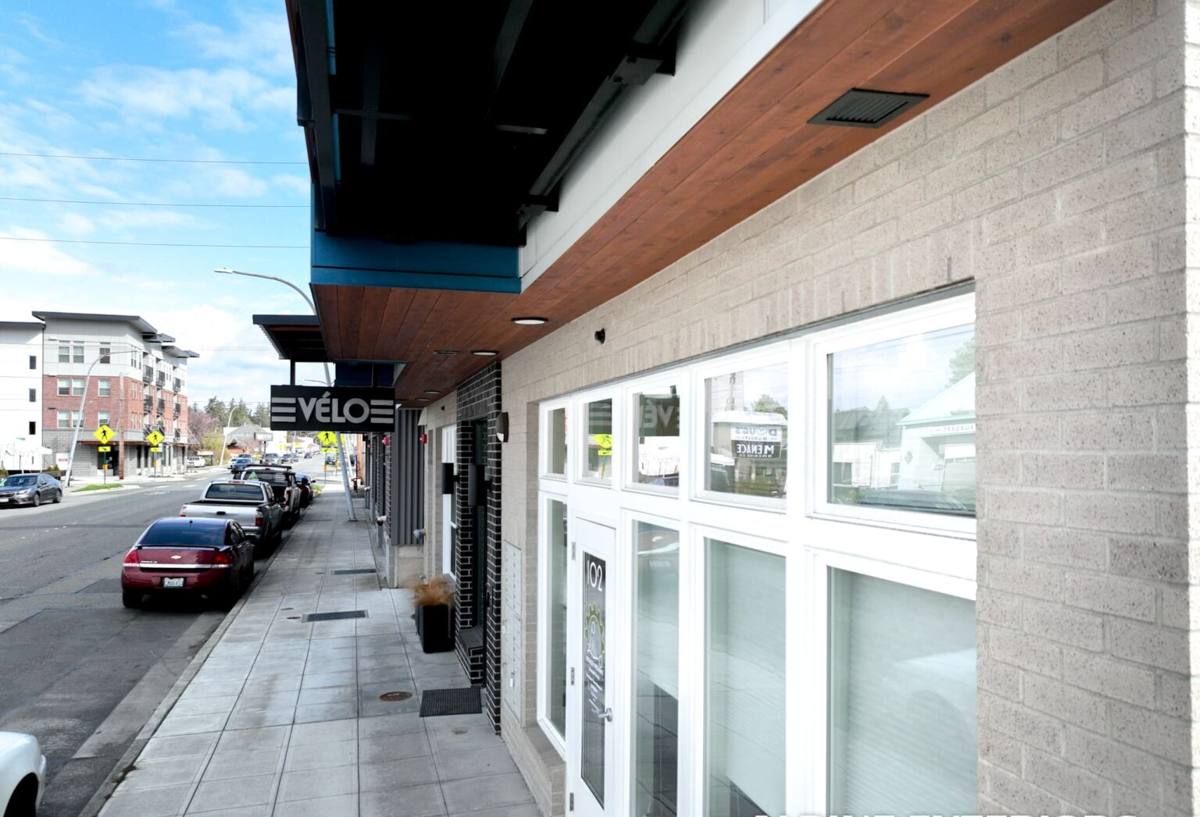
What "Correct" Actually Means for a March Point Install
A lot of window replacement problems in this area trace back to installation shortcuts, not the window itself. Anyone can pull an old sash and set a new unit in the hole. Getting it to actually perform for another 20-plus years next to salt air and driving rain takes more care in a few specific places.
Flashing and Water Management
Every opening gets flashed so water is directed out and down, never trapped behind the trim or siding. On a home this exposed to wind-driven rain, we pay particular attention to the sill pan and the head flashing — these are the two spots where a rushed install lets water track into the wall cavity instead of shedding off the building.
Sealants Rated for Marine Exposure
Standard caulk breaks down faster in salt air. We use sealants and backer rod rated for this kind of exposure around the perimeter of every unit, and we don't rely on caulk alone to do a flashing detail's job.
Hardware and Fasteners
Cheap or mismatched fasteners corrode quickly this close to the water, and corroding fasteners are one of the more common reasons a window that looked fine at installation starts leaking or sagging a few years later. We use fasteners and hardware suited to a marine-influenced climate, not just whatever ships in the box.
Insulation Behind the Frame
Gaps around a new frame get properly filled — not overpacked, which can bow the frame, and not left hollow, which leaves cold spots and a path for moisture and air. This is a detail that's easy to rush and hard to inspect after the trim goes back on, which is exactly why it matters who's doing the work.
Signs Your March Point Home May Need Window Replacement
Not every issue means full replacement — some are fixable with reglazing or hardware repair. But if you're seeing more than one or two of these, it's worth a look:
- Fogging or a milky look between the panes of double-pane glass (the seal has failed)
- Windows that are hard to open, won't stay open, or don't latch fully
- Visible daylight, drafts, or whistling around the frame in wind
- Soft, spongy, or discolored wood at the sill or trim
- Moss or dark streaking building up on the frame or sill faster than on the rest of the house
- A noticeable jump in heating costs with no other explanation
- Condensation forming on the inside of the glass regularly, not just on cold mornings
- Paint that keeps failing on the trim no matter how often it's redone
Frame Materials: What Holds Up in This Climate
Material choice matters more here than in a drier, more sheltered part of the county. Here's how the common options compare for a site like March Point specifically:
| Material | How It Handles Salt Air & Rain | Maintenance | Typical Trade-Off |
|---|---|---|---|
| Vinyl | Doesn't corrode or rot; handles moisture well | Low — occasional cleaning | Fewer color/finish options; can look plain on some homes |
| Fiberglass | Very stable, resists warping and doesn't corrode | Low | Higher upfront cost than vinyl |
| Wood | Beautiful but needs protection from driving rain and salt exposure | High — regular painting/sealing | Best suited to well-sheltered exposures, not open waterfront walls |
| Wood-clad (wood interior, metal/vinyl exterior shell) | Good if the cladding and seals are intact; a compromised seal traps moisture against wood | Moderate | Cladding failures are hard to spot until damage is done |
For most fully exposed March Point locations, we steer homeowners toward vinyl or fiberglass on the sides of the house that take the brunt of the weather, and we're upfront when we think a product isn't the right fit for a particular wall — not because the product is bad, but because some materials need more upkeep than most people want to sign up for out here.
Our Process, Start to Finish
- On-site assessment. We look at every opening, not just the ones you called about — window problems on an exposed home often show up in clusters.
- Honest scope and estimate. You'll know what's being replaced, what materials we're recommending and why, and what it costs before anything starts.
- Old window removal. We check the framing underneath for hidden rot or water damage while the opening is exposed — this is the one point in the job where problems behind the wall are actually visible.
- Flashing and sill pan correction. If the existing flashing is inadequate for this exposure, we fix it as part of the install, not as an upsell later.
- New window installation and sealing. Set, shimmed, insulated, and sealed with materials suited to the site.
- Trim and finish work. Interior and exterior trim reset or replaced to match.
- Walkthrough and cleanup. We test every operable window with you before we consider the job done.
What Affects Cost
We won't quote a number without seeing the house, but these are the factors that actually move the price on a March Point project:
| Factor | Why It Matters |
|---|---|
| Number of openings | More windows means more labor and material, but per-window cost usually drops with volume |
| Frame material | Vinyl, fiberglass, and wood carry different material costs |
| Condition of the framing underneath | Hidden rot or water damage found during removal adds repair work |
| Window size and type | Large picture windows, bays, or custom shapes cost more than standard operable units |
| Height and access | Second-story or hard-to-reach openings take more time and equipment |
| Trim and finish scope | Full trim replacement costs more than reusing sound existing trim |
Why Hire a Crew That Already Works This Area
March Point isn't like every other neighborhood we serve around Anacortes. A crew that mostly works sheltered, inland lots in Skagit County can still do a technically fine install and have it underperform out here simply because they didn't account for how much more wind-driven rain and salt exposure this location gets. We already know which flashing details matter most on an exposed waterfront wall, which fasteners hold up, and which materials are worth the extra cost versus which ones are overkill for a given exposure. That's not something you can fully evaluate from a bid on paper — it comes from having done the work in this specific setting before.
Permits and Practical Considerations
Most straightforward window replacement — same size opening, no structural changes — is fairly routine to permit through the local jurisdiction, but requirements can vary by scope, and if a project changes the size of an opening or affects structural framing, it needs more review. We handle the permit conversation as part of the estimate so there are no surprises mid-project, and we'll tell you plainly if your project is one that needs a permit versus one that doesn't.
After Installation: Keeping Windows Performing Out Here
New windows installed correctly should need very little from you, but a couple of habits go a long way in this climate:
- Rinse salt residue off frames and glass a few times a year, especially on walls facing open water
- Clear moss and debris from sills and tracks before it holds moisture against the frame
- Check that weep holes on vinyl and fiberglass frames stay clear so water can drain out
- Have exterior caulking inspected every couple of years — it's cheaper to redo a bead of sealant than to deal with water that got behind it
If you're seeing drafts, fogged glass, sticking sashes, or trim that just won't hold paint anymore, we're glad to take a look and give you a straight read on whether it's a repair or a replacement situation — no pressure either way. Reach out for a free estimate and we'll walk the house with you in person.