 Anacortes
 Roofing on a Point Surrounded by Water
March Point sits out on open water on more sides than most Anacortes neighborhoods, and that changes what a roof has to deal with day to day. Homes here take on salt-laden air coming off Fidalgo Bay and Padilla Bay, steady winter wind with nothing to break it up, and long stretches of damp, low-angle weather that keeps roof surfaces wet far longer than they'd stay wet a few miles inland. None of that is unusual for coastal Skagit County, but it adds up faster on a point of land than it does in a sheltered subdivision.
Asphalt shingles can be made to work here, but they're fighting the site the whole time. Metal roofing is one of the few systems that's genuinely suited to this specific combination of salt, wind, and moisture rather than just tolerating it.
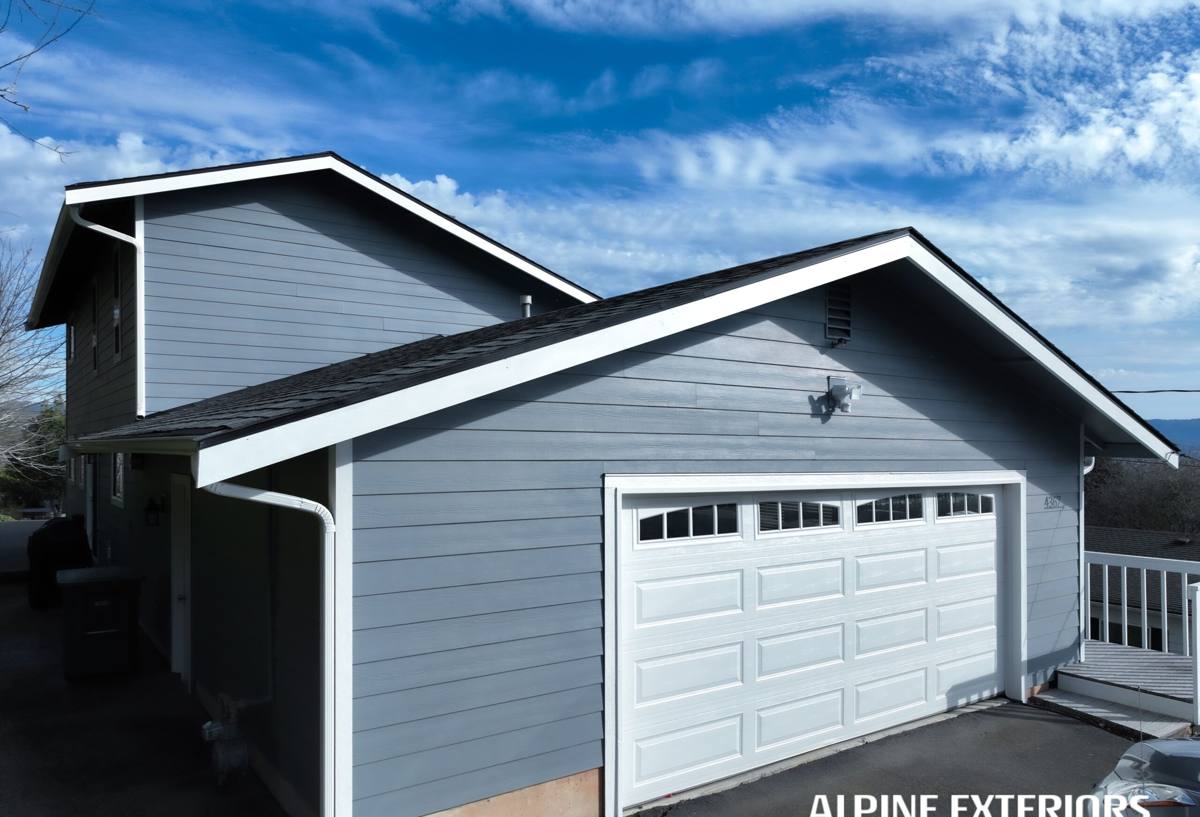
What March Point's Climate Actually Does to a Roof
Salt Air
Airborne salt is corrosive to exposed metal, and it degrades the mineral surface and adhesive strips on asphalt shingles faster than it would in a drier, inland location. It also accelerates wear on fasteners, flashing, and any hardware that isn't rated for a marine-influenced environment.
Driving Rain
Wind-driven rain off the water doesn't just fall straight down — it gets pushed sideways into laps, seams, and vent penetrations. A roof system here needs fastener patterns, seam design, and flashing details that account for wind-blown moisture, not just water running downhill.
Moss Season
Western Washington's moss season runs long, and north-facing or shaded slopes in this area can stay damp enough to support moss growth for much of the year. Moss holds moisture against the roof surface and works into shingle laps and granules over time, which is one of the more common causes of premature shingle roof failure we see on Skagit County homes.
Why Metal Fits This Environment
- Moss resistance: a smooth, hard, non-porous surface gives moss and moisture very little to grab onto compared to a granular shingle surface.
- Wind performance: concealed-fastener panel systems are mechanically seamed or clipped, which holds up better under sustained coastal wind than an overlapping shingle system relying on adhesive strips.
- Water shedding: steep water-shedding panel profiles move driving rain off the roof quickly instead of giving it time to work into laps.
- Longevity: a correctly installed and coated metal roof commonly outlasts multiple shingle roof cycles, which matters on a site where re-roofing means dealing with wind and salt exposure again each time.
- Lower long-term maintenance: fewer granules to lose, no shingle laps to lift in wind, and less surface texture for moss and organic debris to catch on.
Metal isn't the right call for every home or every budget, and we'll say so plainly during an inspection. But for a site like March Point, where salt, wind, and moss all show up at once, it's the system we recommend most often when a homeowner is ready to stop re-treating or re-roofing every few years.
Metal Roofing Options: A Practical Comparison
Not all metal roofing is the same, and the right choice depends on the home, the roof pitch, and the budget. Here's how the common options compare for a marine-exposed, high-moss site like March Point.
| System | Best Suited For | Salt/Moisture Handling | Maintenance |
|---|---|---|---|
| Standing seam (concealed fastener) | Most home styles, especially higher-visibility roofs | Best — no exposed fasteners for salt to attack, tightest seams | Lowest — occasional debris clearing |
| Exposed-fastener panel | Budget-conscious projects, outbuildings, shops | Good, but exposed fasteners need periodic inspection and eventual replacement | Moderate — fastener gaskets age faster in salt air |
| Stone-coated steel | Homes wanting a shingle or shake look | Good — steel core with a granulated coating | Low to moderate — coating surface can hold moss slightly more than smooth panel |
For most March Point homes, we lean toward standing seam because the concealed fastener design removes the single biggest long-term weak point in a salt-air environment: exposed metal fasteners.
What a Correct Installation Involves
The panel itself is only part of the job. On a site with this much wind and salt exposure, the details underneath and around the panels matter just as much.
Underlayment
A high-temperature, self-adhered underlayment gives the roof a second line of defense if wind-driven rain ever gets past the panel seams, and it protects the deck during installation.
Fastener and Hardware Selection
In a marine-influenced area, standard fasteners and flashing hardware corrode faster than they would inland. We specify corrosion-resistant fastener and flashing materials rated for coastal exposure rather than defaulting to whatever's standard for an inland job.
Panel Coating
The paint or finish system on the panel is what actually faces the salt air and UV exposure year after year. A quality baked-on finish resists chalking, fading, and coating breakdown far longer than a lower-grade coil coating, which matters more here than it would on a sheltered inland roof.
Flashing and Penetrations
Valleys, chimneys, vents, and wall-to-roof transitions are where most roof leaks actually start, metal or otherwise. Properly formed and sealed flashing at every penetration and transition is non-negotiable, especially where wind can drive rain sideways into a joint.
Ventilation
Metal roofing performs best with proper attic and roof ventilation behind it, which controls condensation and keeps moisture from accumulating on the underside of the deck — a real concern in a consistently damp coastal climate.
Our Process for a March Point Metal Roof
- On-site inspection: we assess the existing roof deck, pitch, exposure to wind and salt, and any moss or moisture damage before recommending a system.
- Written estimate: panel type, coating, underlayment, and flashing details are spelled out clearly so there's no guessing about what's included.
- Tear-off or overlay evaluation: we check deck condition to determine whether the existing roof can be built over or needs to come off first.
- Installation: panels, flashing, and penetrations are installed with hardware and coatings suited to the site's exposure.
- Final walkthrough and cleanup: we walk the finished roof with the homeowner and clear the site of debris and fasteners before we leave.
Cost Factors on a Metal Roof Project
| Factor | Why It Matters Here |
|---|---|
| Roof pitch and complexity | Valleys, dormers, and multiple roof planes add labor and flashing work |
| Panel system chosen | Standing seam costs more up front than exposed-fastener panel but needs less long-term upkeep |
| Deck condition | Moss and moisture damage found during tear-off can require deck repair before installation |
| Coating and gauge | Heavier gauge steel and premium coatings cost more but hold up longer against salt exposure |
| Access and site conditions | Wind exposure and roof height on a point property can affect staging and labor time |
We give honest, itemized estimates rather than a single number with no breakdown, so homeowners can see exactly what's driving the cost.
Maintaining a Metal Roof in This Climate
Metal roofing is low-maintenance, not no-maintenance. A little seasonal attention goes a long way on a site exposed to this much salt, wind, and moss pressure.
- Clear debris and organic buildup from valleys and around penetrations before wet season sets in
- Rinse accumulated salt residue off the roof surface periodically, especially after dry, windy stretches
- Check exposed fasteners (on exposed-fastener systems) every couple of years for gasket wear
- Trim back overhanging branches that keep sections of roof shaded and damp
- Have flashing and sealant at penetrations inspected after major wind events
- Watch for moss establishing in shaded valleys even on metal — it's rarer, but not impossible
Why Local Experience on March Point Matters
A roofing crew that hasn't worked this specific stretch of coastline doesn't always account for how much wind and salt exposure a point property actually sees compared to a roof a mile inland. We've worked on homes throughout Anacortes and Skagit County and price, spec, and detail metal roofs differently out here than we would on a sheltered lot — heavier-duty fastener and flashing hardware, coating choices built for salt exposure, and installation sequencing that accounts for wind while the roof is open. That local knowledge is the difference between a roof that's rated for coastal exposure on paper and one that's actually built for the conditions it will sit in for the next several decades.
If you're weighing a metal roof for your March Point home, we're happy to take a look and walk you through what your specific roof needs — no pressure, no obligation. Use the form below to request a free estimate.