 Anacortes
 Board & Batten Siding in La Conner: A Look That Fits, Cladding That Has to Perform
Board and batten has a natural home in La Conner. The vertical lines suit the farmhouses, waterfront cottages, and craftsman-style homes scattered around this stretch of the Swinomish Channel, and it reads as clean and intentional whether the house is a hundred years old or built last year. But La Conner sits right up against tidal water, which means any siding here is doing more than looking good — it's standing up to salt-laden air, long stretches of driving rain, and a moss season that can run most of the year. Board and batten's vertical seams and exposed battens make it a style that rewards a correct install and punishes a sloppy one, so how it's built matters as much as how it looks.
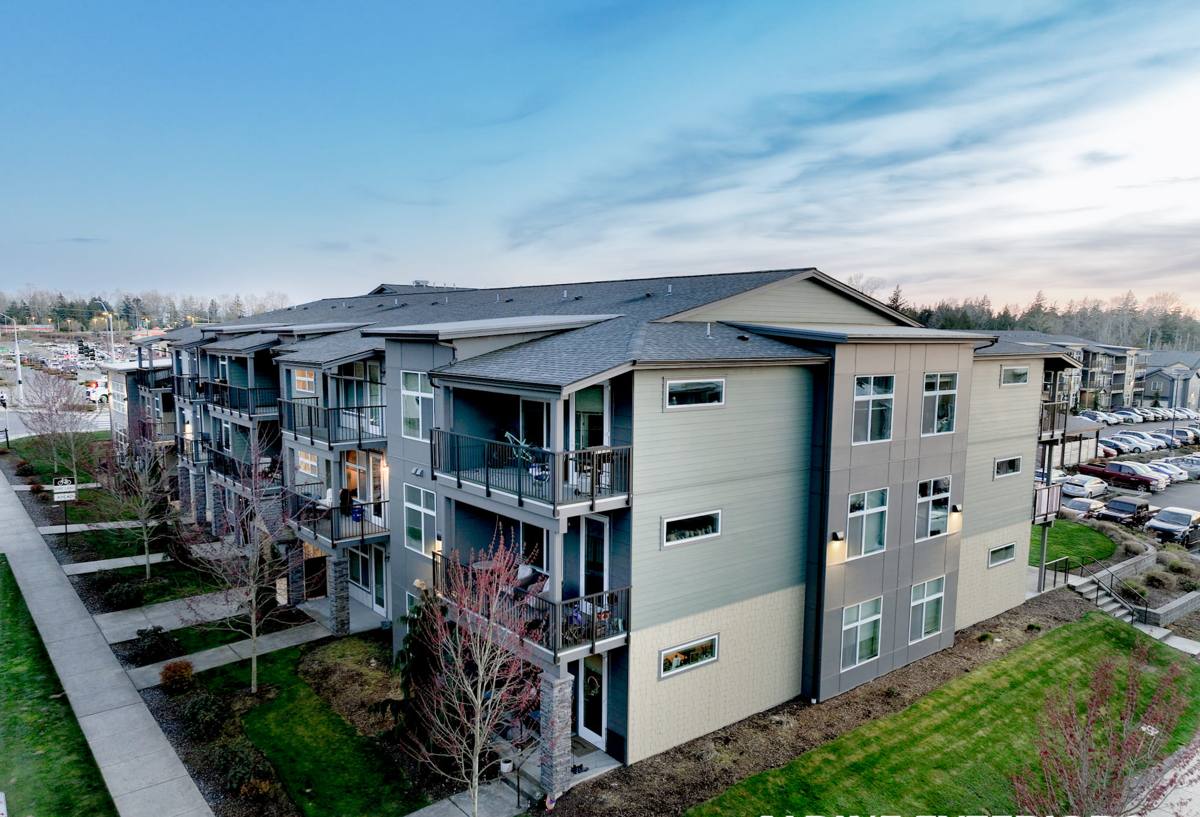
Why Skagit County's Climate Is Hard on Vertical Siding
Board and batten works by covering the joints between wide boards with a narrower strip — the batten — creating a rhythm of vertical lines and a lot of extra seams compared to standard lap siding. Every one of those seams is a place water can find its way behind the cladding if it isn't detailed correctly, and in a climate like ours that matters more than in drier parts of the state.
Salt Air and Fastener Corrosion
Homes near the channel get a steady dose of salt-carrying air, which accelerates corrosion on anything less than a corrosion-resistant fastener. Battens are typically face-nailed or screwed, so the fastener count per square foot is higher than most siding styles — meaning the wrong fastener choice shows up as rust streaks and loosening battens sooner rather than later.
Driving Rain and Wind-Loaded Walls
Storms off the water tend to push rain sideways into west- and south-facing walls, and board and batten's vertical battens can act like little funnels if they aren't flashed and gapped properly at the top and bottom. A wall assembly that isn't built to shed that water, not just block it, ends up with damp sheathing behind good-looking siding.
Moss, Algae, and Shade
Skagit County's tree cover and long damp season mean moss and algae growth on north-facing walls and anywhere siding stays shaded and wet. That's mostly a maintenance and finish-quality issue rather than a structural one, but it's a real factor in how a board and batten job looks five and ten years out.
What Correct Board & Batten Installation Actually Involves
Board and batten looks simple from the street, but a correct installation is more layered than it appears. The visible boards and battens are really the last step in a system that has to work as a whole.
The Water-Management Layer Comes First
Before any siding goes up, the wall needs a continuous weather-resistive barrier, correctly lapped and taped at every seam and penetration, with flashing integrated at windows, doors, and any horizontal trim. On a house this style of siding, we also build in a rainscreen gap — a small air space behind the panels — so any moisture that does get past the surface has somewhere to drain and dry instead of sitting against the sheathing.
Panel Layout and Fastening
Panel or board layout has to account for window and door openings, corners, and the home's actual dimensions so battens land in a sensible, even pattern rather than getting crowded or oddly spaced at the ends of a wall. Fasteners need to be corrosion-resistant and set to the manufacturer's spacing and depth — overdriven nails crack fiber cement and crush the material's ability to hold paint and sealant long term.
Trim, Caulking, and Finish Details
The trim around windows, corners, and the base of the wall is where board and batten jobs succeed or fail over time. Correct flashing above trim boards, the right sealant in the right joints (and no sealant where it isn't needed), and a factory finish that doesn't depend on field-applied paint for its long-term color and water resistance all matter more on a vertical-seam style than on standard horizontal lap siding.
Material Options for Board & Batten: What We Recommend and Why
Board and batten can be built in several materials, and they don't perform the same way on a channel-side home in Skagit County. Here's how the common options stack up for this specific climate:
| Material | Behavior in Salt Air / Driving Rain | Maintenance | Typical Lifespan Here |
|---|---|---|---|
| James Hardie fiber cement | Non-combustible, dimensionally stable, factory ColorPlus finish resists moisture intrusion at the surface | Periodic wash-down; no repainting for the life of the finish | Decades, when installed to spec |
| Cedar board and batten | Absorbs and releases moisture with the seasons; prone to swelling, splitting, and moss in shaded, damp spots | Regular refinishing/staining and moss treatment | Shorter without disciplined upkeep |
| Primed spruce/finger-joint | Relies entirely on field paint for protection; end grain and joints are vulnerable to wind-driven rain | Frequent repainting, caulk maintenance | Shortest of the wood options in this climate |
| LP SmartSide (engineered wood) | Better than raw wood but still wood-based; edges and cut ends need diligent sealing near salt air | Field-applied finish upkeep, edge inspection | Moderate, install-quality dependent |
| Vinyl board and batten | Won't rot, but can warp or fade under UV, and doesn't hold up to sustained wind loads as rigidly | Low, but limited repair options if damaged | Variable, appearance often fades first |
This is why we standardized on James Hardie fiber cement for board and batten work: it's the option that holds its shape, its finish, and its fastener-holding strength through a coastal Skagit County winter without asking the homeowner to keep up a maintenance schedule to protect the investment.
Our Process for a La Conner Board & Batten Project
Every home we look at in this area gets assessed on its own terms — orientation to weather, existing wall condition, and how much of the current siding and water barrier can be trusted versus needs to be replaced.
- Site walk and assessment: we look at wall orientation, existing moisture damage, trim condition, and how the home's roofline and gutters direct water toward the walls.
- Tear-off and sheathing check: old siding comes off and we inspect the sheathing underneath for rot or soft spots before anything new goes up.
- Water-resistive barrier and rainscreen: a continuous, properly lapped barrier goes down first, with a drainage gap built in behind the new siding.
- Flashing at every opening: windows, doors, and horizontal trim get flashed before the board and batten panels are installed around them.
- Panel and batten installation: layout is planned for even spacing, then fastened per manufacturer spec with corrosion-resistant fasteners.
- Final trim and sealant: corners, joints, and transitions are finished with the correct sealant, and the job is walked before we call it done.
Why We Install Only James Hardie Board & Batten
We don't install LP SmartSide, vinyl, Cemplank, Allura, primed spruce, or cedar — not because those products can't be installed well by someone, but because we've made a professional decision to put our name behind one system we can stand behind fully. James Hardie's HZ product lines are engineered for climate zones like ours, the ColorPlus factory finish removes the guesswork and maintenance burden of field-applied paint, and fiber cement's dimensional stability means battens stay put and joints stay tight through the wet-to-dry cycles Skagit County goes through every year. It's also non-combustible, which matters to a lot of homeowners regardless of climate. The transferable warranty behind the product backs up what we're telling you: this is the system that holds up here, and it's the one we're willing to install exclusively.
Maintenance: What Board & Batten Owners in La Conner Should Expect
A correctly installed James Hardie board and batten system is genuinely low-maintenance, but "low" isn't "none," especially this close to the water. A simple annual routine keeps it looking right and catches small issues before they become expensive ones:
- Rinse the siding down once or twice a year, more often on north-facing or shaded walls where moss and algae take hold fastest.
- Walk the exterior after major windstorms and check for any battens or trim that look loose or shifted.
- Keep gutters clear so overflow doesn't run down the wall face and concentrate water at seams.
- Trim back vegetation and tree cover that keeps any wall section shaded and damp longer than the rest of the house.
- Have caulking and sealant joints inspected every few years — sealant is a wear item even on siding that itself isn't.
- Address any visible fastener corrosion or rust streaking early rather than waiting for it to spread.
Why Hiring a Crew That Already Works in La Conner Matters
A lot of siding problems in this area trace back to a crew applying a detail that works fine inland but doesn't hold up a few hundred feet from tidal water. Fastener selection, flashing sequence, and rainscreen design all need to account for the salt air and wind-driven rain that channel-side homes see more of than homes further inland. A crew that regularly works La Conner and greater Anacortes has already seen how local wind, moisture, and moss patterns play out on actual homes here, not just in a manual. That local experience shows up in the small decisions — where extra flashing gets added, which walls get watched more closely for moss, how tight the rainscreen gap needs to be — that a generic installation crew has no reason to know to make.
Get a Straight Answer on Your Board & Batten Project
If you're considering board and batten siding for a home in La Conner, we're glad to come take a look, walk the exterior with you, and give you a straightforward assessment of what the job actually needs — no pressure, no inflated scope. Use the form below to request a free estimate.