 Anacortes
 Why Edison's Climate Is Hard on Siding
Edison sits in the flat, low-lying farmland of Skagit County, close enough to Samish Bay and Puget Sound that salt-laden air is a daily fact of life on the exterior of every home here. Add in the wind-driven rain that comes off the water during fall and winter storms, and the deep, standing shade thrown by mature trees and hedgerows on many rural properties, and you get one of the tougher combinations a siding product can face in Western Washington: corrosion, moisture intrusion, and a moss season that can run eight months or longer.
Most siding materials are engineered for an "average" climate somewhere in the middle of the country. Edison isn't average. Homes here need a siding system that can shed wind-driven rain without trapping moisture behind it, hold a factory finish through years of salt exposure, and resist the moss and algae growth that thrives in the shaded, damp conditions common to this part of Skagit County.
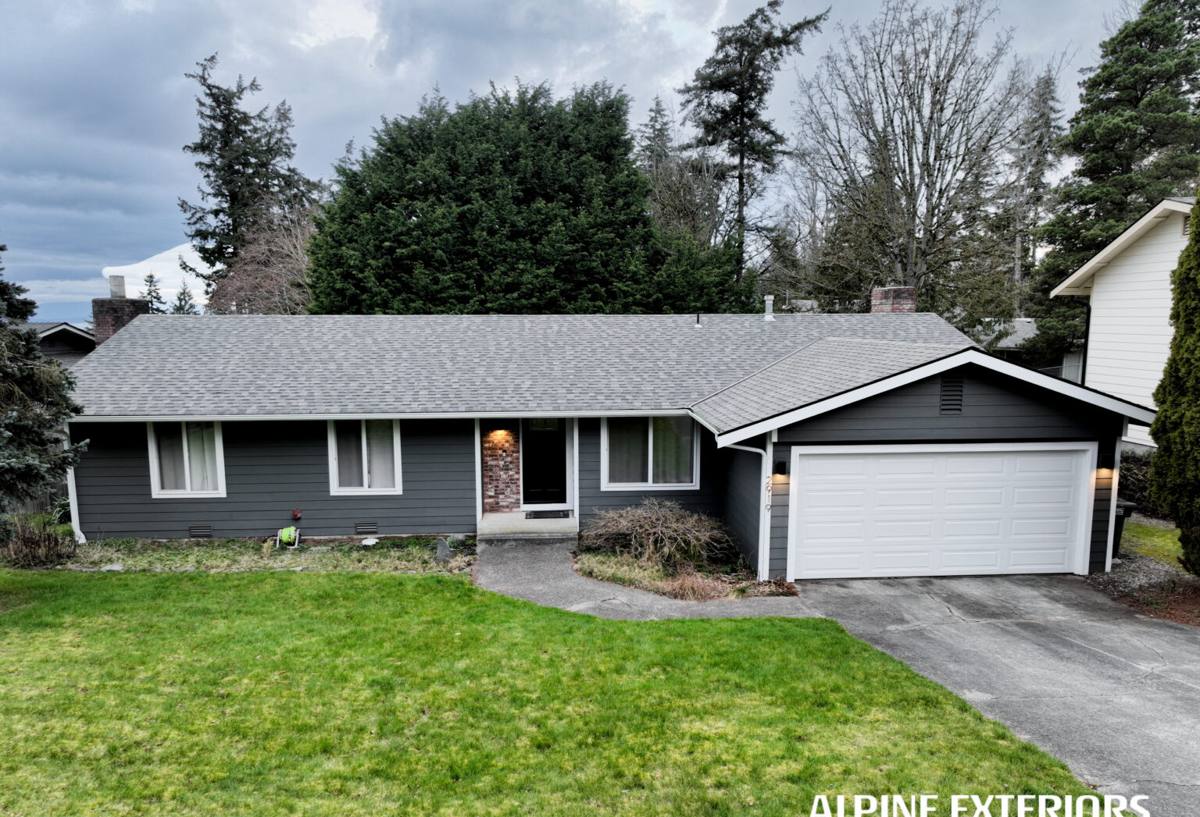
Why We Install Only James Hardie Fiber Cement
We standardized on James Hardie siding because it's the product we've found holds up to this specific set of conditions without the maintenance headaches or moisture failures we've seen with other materials. Fiber cement doesn't rot, it doesn't feed insects, and it's non-combustible — a real consideration during the dry months when wildfire smoke and ember risk become regional concerns even out here in farm country.
Just as important for a place like Edison: Hardie's ColorPlus factory-baked finish is applied and cured under controlled conditions, which gives it far better resistance to fading and moisture-related finish failure than a coat of paint applied on site. In a salt-air environment, that difference shows up years sooner on a field-painted product than it does on ColorPlus siding.
Matching the Product to the Zone
James Hardie engineers its lap and panel siding into climate-specific formulations — HZ5, for the wetter, moisture-prone regions of the Pacific Northwest, is the baseline we work from in Skagit County. That formulation is built to resist moisture absorption and the freeze-thaw cycling that can happen during a cold, wet snap. We size the product, trim, and joint treatment to the specific exposure of your home — a wall facing prevailing weather off the bay gets treated differently than a sheltered wall tucked behind a barn or windbreak.
What Correct Installation Looks Like in a Wet, Salty Climate
Fiber cement siding is only as good as the installation behind it. Most of the failures we get called out to inspect on Hardie siding installed by out-of-area or inexperienced crews trace back to a handful of installation shortcuts — not the product itself.
- Drainage plane and rainscreen gap behind the siding so any moisture that gets past the cladding can drain and dry instead of sitting against the wall
- Weather-resistant barrier installed and lapped correctly, with flashing integrated at every window, door, and penetration — not just caulked over
- Proper clearances, including minimum ground clearance and roofline clearance, so splash-back and roof runoff don't sit against the bottom edge of the siding
- Correct fastener type, spacing, and depth — Hardie is specific about this, and it's one of the most common things done wrong
- Factory-cut and painted edges wherever possible, with cut edges properly sealed on site to match the ColorPlus finish
- Joints and butt seams treated per Hardie's published details, not just caulked and hoped for
Skip any one of these and you can end up with moisture trapped behind otherwise excellent siding — which defeats the entire point of upgrading in the first place.
Our Process, Start to Finish
Every Edison job starts with a walk-around, not a sales pitch. We look at your current siding, sheathing condition where it's exposed, trim, and the specific exposure your walls get — which sides face prevailing wind and rain, and which stay shaded and damp longer after a storm.
- Inspection and estimate: we assess your existing siding, note any sheathing or moisture damage, and give you a written scope and price — no pressure, no inflated "today only" pricing.
- Tear-off and prep: old siding comes off, sheathing is inspected and repaired where needed, and any rot or moisture damage found underneath gets addressed before anything new goes on.
- Weather barrier and drainage plane: a properly lapped weather-resistant barrier and rainscreen gap go on first, since this layer does as much work as the siding itself in a climate like this one.
- Flashing and trim: windows, doors, and every penetration get flashed correctly before siding installation begins.
- Hardie installation: siding goes on to manufacturer spec — fastener pattern, clearances, joint treatment, all of it.
- Final detail and cleanup: caulking, touch-up paint on cut edges, and a full site cleanup before we call the job done.
How James Hardie Compares to the Alternatives
Homeowners in Edison ask us regularly why we don't offer vinyl, LP SmartSide, or cedar. Here's the honest comparison, based on how each material actually performs in this climate over time:
| Material | Salt Air / Moisture Performance | Moss & Algae Resistance | Typical Maintenance |
|---|---|---|---|
| James Hardie (ColorPlus) | Engineered for wet coastal climates; factory finish resists salt and UV degradation | Dense, non-porous surface resists growth better than wood-based products | Occasional wash; no repainting needed for years under the ColorPlus warranty |
| Vinyl | Can warp, fade, or crack under UV and temperature swings; seams can allow moisture behind panels | Grows moss and algae readily in shaded, damp conditions | Low upfront maintenance, but panels can't be repainted and often fade unevenly |
| LP SmartSide (engineered wood) | Wood-based core is more vulnerable to prolonged moisture exposure if any breach occurs | Susceptible to moss and mildew if the finish is compromised | Requires diligent caulk and paint upkeep to protect the wood substrate |
| Cedar / primed spruce | Natural wood absorbs moisture; performs best with rigorous, ongoing maintenance | High — organic material is a natural host for moss and mildew in shade | Regular refinishing, staining, or painting on a strict schedule |
None of these are bad products in the right setting. But for the specific combination of salt air, standing moisture, and heavy shade that a lot of Edison properties deal with, we've found fiber cement is the one that keeps homeowners out of a repeat maintenance cycle.
Signs Your Current Siding Is Losing the Fight
A lot of Edison homeowners call us after noticing one or two of these — worth checking your own home for before small problems become sheathing repairs:
- Persistent moss or dark streaking on north- and shade-facing walls that returns shortly after cleaning
- Soft spots, bubbling, or visible warping, especially near the ground line or under downspouts
- Paint that's chalking, peeling, or fading unevenly from one wall to the next
- Caulk lines that have cracked, shrunk, or pulled away from trim and joints
- Visible gaps at corners, window trim, or the bottom starter course
Any of these can mean moisture is already working its way behind the siding. Catching it early is a much smaller job than catching it after it reaches the sheathing or framing.
Warranty Coverage and Long-Term Value
James Hardie backs its siding with a transferable limited warranty covering the fiber cement product itself, plus separate coverage on the ColorPlus finish for issues like peeling, cracking, or excessive fading. That's a meaningful difference from a field-painted product, where the paint job typically carries no manufacturer backing at all — just whatever the installing contractor happens to offer. For Edison homeowners planning to stay put for decades, or planning to sell in the next several years, that transferability adds real resale value on top of the performance benefits.
Best Time of Year to Install in Skagit County
We can install James Hardie siding through most of the year, but the drier stretch of late spring through early fall gives us the most workable conditions for tear-off, sheathing repair, and getting the weather barrier sealed up before the next round of rain moves in off the water. If your project can be scheduled with some flexibility, that window tends to move faster with fewer weather delays. That said, if your siding is actively failing and letting moisture in, we won't tell you to wait out the season — we'll prioritize getting your walls closed back up.
Why It Matters That We Already Work in This Area
A crew that's worked Edison and the surrounding Skagit County farmland knows which walls take the worst of the weather off the bay, how far moss season really runs here compared to drier inland areas, and how older rural properties in this part of the county were typically built — which affects what we find once the old siding comes off. That local knowledge shows up in small decisions throughout a project: where we add extra flashing attention, which walls get prioritized in the schedule around weather windows, and what to expect once a wall is opened up.
We also know the practical side of working out here — permitting through Skagit County, scheduling around the wetter months, and coordinating with the realities of rural access and property layouts that don't always look like a standard in-town lot.
Get a Straight Answer for Your Home
If your siding is showing its age, or you're planning ahead for a home in Edison that's about to face another wet, salty winter, we're happy to take a look and give you an honest read on what your walls actually need — no pressure, no inflated estimate games. Reach out for a free, no-obligation estimate and we'll walk your property with you in person.