 Anacortes
 Windows Built for Fidalgo Island's Weather, Not Just the Opening
Fidalgo Island sits right where Puget Sound weather gets concentrated: salt-laden air off Rosario Strait and Guemes Channel, driving rain that comes in sideways during winter storms, and a long, damp moss season that keeps north-facing surfaces wet for weeks at a time. Windows here don't fail the way they do in drier inland climates. They fail at the seams, at the sill, and at the flashing details that never get seen once the trim goes back on.
A custom window job on Fidalgo Island isn't just picking a style and a color. It's choosing materials, hardware, and glazing that hold up to salt corrosion and constant moisture cycling, then installing them with flashing and sealing details that actually match this climate. We've worked enough homes around Anacortes and the rest of Skagit County to know which shortcuts show up as callbacks two winters later, and we don't take them.
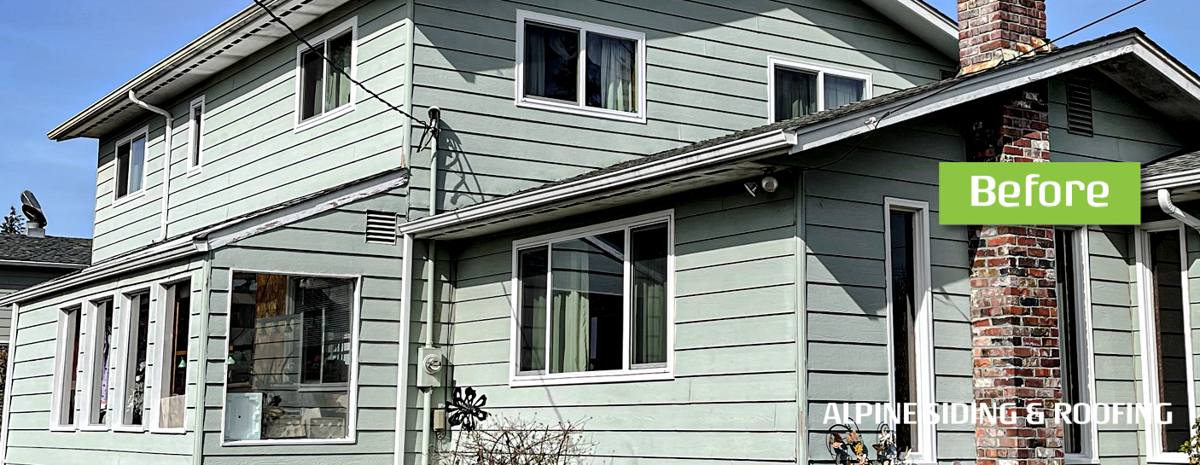
Signs Your Current Windows Are Losing the Fight
Most homeowners don't notice window failure until it's already inside the wall. On Fidalgo Island, the early warning signs are usually subtle and easy to write off as "just an old house." Worth checking for:
- Condensation forming between panes (a sign the seal has failed on a double- or triple-pane unit)
- Soft or discolored wood on the sill or the trim below the window
- Visible pitting, chalking, or corrosion on aluminum frames or hardware
- Drafts you can feel with a hand near the frame on a windy day
- Black or green staining on the exterior casing, especially on north- and west-facing walls
- Windows that stick, won't latch fully, or have started sagging in the frame
- A musty smell near the window that wasn't there a year or two ago
Any one of these on its own isn't necessarily an emergency. Several of them together, especially on the same wall, usually means moisture has been getting past the seal for a while and it's worth having someone actually pull a piece of trim to look, not just caulk over it.
What a Correct Installation Actually Involves
It Starts Before the New Window Ever Shows Up
The single biggest factor in how long a window lasts here isn't the brand — it's whether the opening was prepped correctly. That means checking the rough opening for square and level, inspecting the sheathing and framing underneath the old window for hidden rot (common on older Fidalgo Island homes that have taken decades of wind-driven rain), and correcting anything we find before a new unit ever goes in. Installing a good window into a compromised opening just hides the problem for a few more years.
Flashing Is the Part Nobody Sees — and the Part That Matters Most
In a climate this wet, flashing sequence is what separates a window that lasts 25+ years from one that leaks by year five. That means self-adhered flashing membrane at the sill pan, properly lapped house wrap or weather-resistive barrier around the rough opening, and head flashing installed so water sheds outward and down, never trapped behind the trim. Every layer has to overlap the one below it, shingle-style, so water always has a path out and never a path in.
Sealing and Insulating the Gap Correctly
The gap between the window frame and the rough opening gets backer rod and low-expansion foam or mineral wool insulation, not just a bead of caulk around the trim. Over-filling with high-expansion foam can actually bow window frames and cause operating problems, which is a common mistake we see from rushed installs.
Exterior Sealant Where It Belongs — and Only Where It Belongs
Sealant goes at the top and sides of the exterior trim, but the bottom of the sill trim is typically left open (a "weep" gap) so any water that does get behind the trim has somewhere to drain out instead of pooling against the wall. Sealing the bottom edge completely is a common DIY and low-bid-contractor mistake that traps moisture instead of shedding it.
Choosing Materials That Hold Up to Salt Air and Moss Season
Every window material has trade-offs, and the right call depends on the specific wall, exposure, and budget. Here's how the common options compare for a coastal Skagit County property:
| Material | Salt Air / Moisture Performance | Maintenance | Typical Trade-Off |
|---|---|---|---|
| Vinyl | Good — won't rust or rot, handles moisture well | Low | Limited color/finish options, less rigid on very large openings |
| Fiberglass | Excellent — dimensionally stable, resists corrosion and moisture | Low | Higher upfront cost than vinyl |
| Wood | Requires protection — beautiful but vulnerable without maintenance | High | Needs regular refinishing in this climate or it will fail early |
| Clad-wood (wood interior, metal/composite exterior) | Good if clad detailing is done right | Moderate | Exterior clad seams need careful sealing at joints |
| Aluminum | Poor without marine-grade coating — prone to pitting near salt air | Moderate to high | Thermal performance is weaker unless thermally broken |
We don't push one material on every job. A south-facing wall with deep eave overhang can often get away with a wider range of materials than an exposed north or west wall taking direct wind and rain. Part of our estimate is walking the actual exposure of each opening, not just quoting a package deal.
Glass and Hardware Details That Matter Here
Beyond the frame material, two details matter more on Fidalgo Island than they would inland:
- Corrosion-resistant hardware — stainless steel or coated hardware on locks, hinges, and balances, since standard-grade hardware pits and seizes faster in salt air
- Warm-edge spacer systems in the glass unit, which resist seal failure and condensation better than older aluminum spacer bars, especially under constant humidity swings
Our Process, Start to Finish
- On-site assessment — we look at each opening individually, not just the house as a whole, since exposure varies wall to wall
- Material and style recommendation — based on that wall's exposure, your budget, and how the home is built
- Written estimate — clear line items, no vague allowances that turn into surprise add-ons later
- Prep and protection — landscaping, siding, and interior finishes protected before removal begins
- Removal and opening inspection — old window comes out, sheathing and framing get checked for hidden damage
- Flashing, insulation, and installation — done in the correct sequence described above, not shortcuts
- Exterior and interior finish work — trim, sealant, and touch-up to match the surrounding siding and casing
- Final walkthrough — we test operation, locks, and seals with you before calling the job done
What Drives the Cost of a Custom Window Project
Custom window pricing varies a lot from house to house, but the factors driving that variation are consistent. Understanding them helps you evaluate any quote you get, including ours:
| Factor | Why It Affects Price |
|---|---|
| Frame material | Vinyl is generally the most affordable; fiberglass and clad-wood cost more but can outlast vinyl in harsh exposure |
| Number and size of openings | Larger or custom-shaped windows require more material and labor per unit |
| Hidden framing repair | Rot found once the old window is out adds cost, but skipping the repair costs more later |
| Retrofit vs. full-frame replacement | Full-frame replacement (removing exterior trim and flashing entirely) costs more but is often the right call on older, moisture-damaged openings |
| Glass package | Upgraded low-E coatings or gas fills add cost but improve comfort and reduce condensation |
| Access and site conditions | Second-story or hard-to-reach openings take more labor and equipment |
We'd rather walk you through these trade-offs honestly than push the most expensive option on every opening. Some walls on a home genuinely need the upgraded package; others don't, and we'll tell you which is which.
Comfort and Efficiency Beyond the Sales Pitch
New windows do reduce drafts and lower heating costs, but on Fidalgo Island the bigger day-to-day difference homeowners notice is comfort: fewer cold spots near the glass in winter, less condensation fogging up the inside of the pane on cold mornings, and less noise from wind and rain during winter storms. A well-sealed, properly flashed window also does more to prevent hidden moisture damage than it does to shave dollars off a power bill — in this climate, that's often the more valuable benefit even if it's less visible on paper.
Why Local Installation Experience Matters
Window installation instructions from a manufacturer are written for national average conditions. They don't account for wind-driven rain coming off the water, moss and lichen holding moisture against north walls for weeks, or the specific way older Anacortes homes were framed and sheathed. A crew that's done this work specifically on Fidalgo Island and around Skagit County has already seen how these houses behave in this weather — where the water actually tries to get in, which walls fail first, and which manufacturer details need adjusting for our exposure. That local track record matters more here than it would in a milder, drier region.
Protecting Your Investment After Installation
New windows still need basic upkeep to get their full lifespan in this climate:
- Rinse salt residue and grime off frames and glass a couple of times a year, especially on wind-exposed walls
- Keep gutters and downspouts clear so roof runoff isn't sheeting down across window heads
- Clear moss and debris from sills and trim before it holds moisture against the wood or frame
- Check exterior caulking annually and re-seal any cracked or separated joints promptly
- Operate locks and hardware periodically through the winter so moving parts don't seize from disuse and moisture
None of this is complicated, but skipping it is how a well-installed window ends up with an avoidable problem a decade in.
Get a Straight Answer for Your Home
Every home on Fidalgo Island carries its own mix of exposure, age, and prior repairs, which is why we look at the actual openings before recommending anything. If you're dealing with drafts, fogged glass, or trim that's starting to show wear, we're glad to take a look and give you a straightforward, no-pressure estimate — just fill out the form below to get started.