 Anacortes
 Fidalgo Island Homes Take a Different Kind of Beating
Houses on Fidalgo Island sit in a different exposure category than a lot of inland Skagit County homes. Between the marine air coming off Rosario Strait and the Guemes Channel, wind-driven rain off the water, and a shoulder-season climate that stays damp for months at a stretch, siding here works harder than siding fifteen miles inland. If you've noticed chalky discoloration, soft spots near the bottom courses, or a green film that keeps coming back no matter how many times you power-wash it, that's not bad luck — it's the environment doing exactly what it does to exterior materials that aren't built for it.
Siding replacement on Fidalgo Island isn't just "the same job, but by the water." The exposure changes what fails first, what a correct installation needs to account for, and which materials are worth putting on the house in the first place.
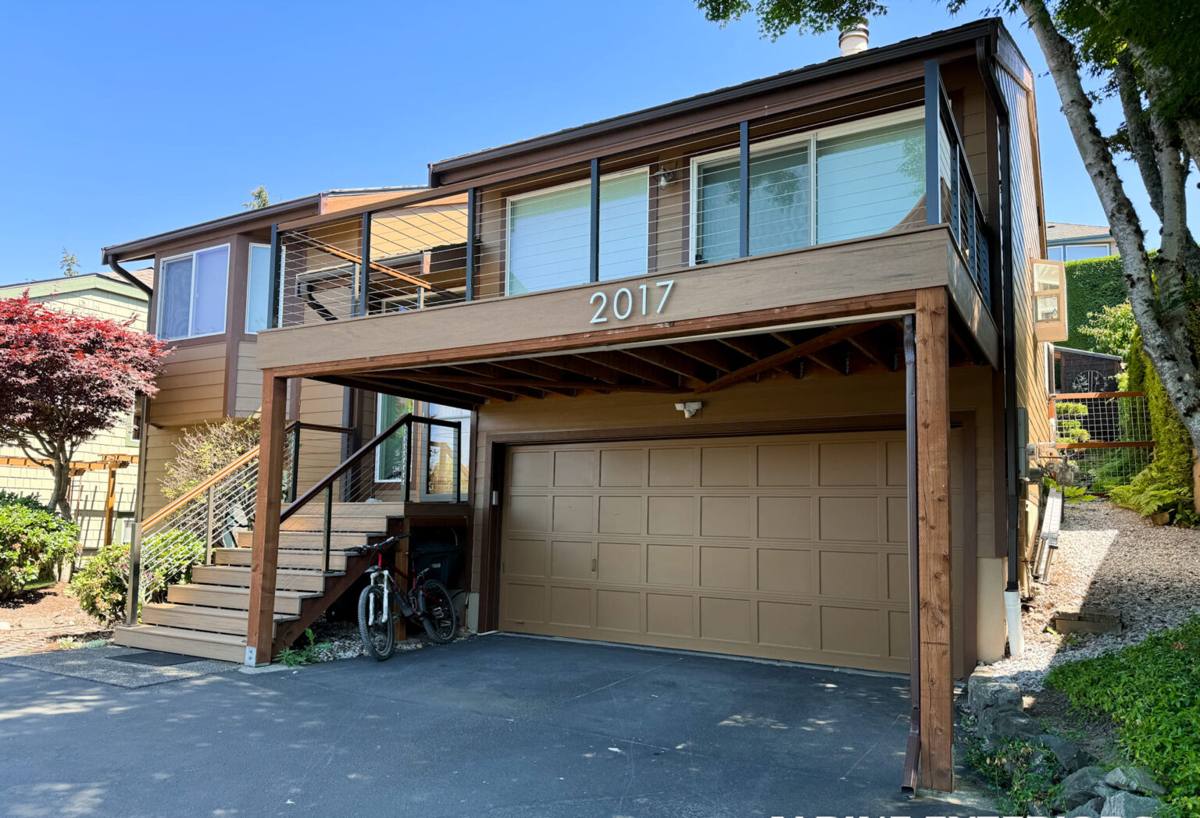
Salt Air, Driving Rain, and Moss Season — What's Actually Happening
Salt Air
Airborne salt is corrosive to exposed metal fasteners, trim flashing, and hardware, and it accelerates the breakdown of paint films and lower-grade composite materials. It also holds moisture against the wall assembly longer than dry inland air would, which matters more than most homeowners realize — siding failure is almost always a moisture problem before it's a cosmetic one.
Driving Rain
Wind off the water doesn't just drop rain straight down — it pushes it sideways, into laps, seams, butt joints, and anywhere flashing is undersized or missing. A siding system that's fine in a calm rainstorm can still leak under wind-driven rain if the water-resistive barrier, flashing, and lap details weren't built for that load.
Moss and Sustained Dampness
Anacortes gets a long stretch of the year where surfaces simply don't dry out fast between rain events. That's ideal for moss and algae growth on north-facing and shaded walls, and sustained dampness against wood-based or poorly sealed siding is what drives rot, delamination, and paint failure over time.
Repair or Replace? Signs to Watch For
- Soft, spongy, or crumbling siding when you press on it, especially near the bottom few feet of the wall
- Paint that's peeling, bubbling, or chalking heavily rather than just fading
- Persistent moss or dark streaking that returns within a season of cleaning
- Visible gaps, warping, or buckling at seams and butt joints
- Swelling or delamination at panel edges, particularly on composite or engineered wood products
- Interior signs — musty smell, staining on interior walls, or soft drywall near exterior corners
Localized soft spots or a handful of damaged boards can sometimes be repaired. But once damage shows up in more than one or two areas, or the siding is original to a home built before better water-management details were standard practice, patch repairs usually just delay a full replacement while the sheathing underneath keeps absorbing moisture.
What a Correct Replacement Actually Involves
Tear-Off and Sheathing Inspection
Every full siding replacement should include removing the old material down to the sheathing and inspecting for rot, soft spots, or delaminated OSB — especially around window and door openings, which is where most water intrusion originates. Any compromised sheathing gets replaced before anything new goes back on; covering over damaged sheathing just hides a problem that keeps getting worse.
Water-Resistive Barrier and Flashing
This is the layer that actually keeps a house dry — the siding is the second line of defense, not the first. On a wind-and-rain exposure like Fidalgo Island, that means a properly lapped weather-resistive barrier, correctly integrated window and door flashing, kick-out flashing at roof-wall intersections, and careful detailing at every penetration. Skipping or rushing this step is the single biggest reason siding jobs fail early, regardless of what material goes over the top.
Rainscreen or Drainage Gap
Given how long surfaces stay damp here, a drainage gap behind the siding (a rainscreen) gives incidental moisture a path to escape instead of sitting trapped against the wall. It's a detail that costs more up front and pays for itself in how long the siding and the wall assembly behind it actually last.
Fastening and Material Installation
Corrosion-resistant fasteners matter in a marine-influenced climate — the wrong fastener metal will streak, corrode, and eventually fail well ahead of the siding itself. Manufacturer-specified nailing patterns, gaps, and clearances aren't optional details; they're what the product warranty is actually built on.
Why We Install James Hardie Fiber Cement — And Only That
We standardized on James Hardie fiber cement siding for every home we side, and on an exposure like Fidalgo Island that decision matters more than it does inland. Fiber cement is non-combustible, doesn't absorb water the way wood-based products do, and holds its shape and finish through repeated wet-dry cycling far better than engineered wood or lower-grade composites. Hardie's ColorPlus factory finish is baked on and warranted against fading and peeling in ways field-applied paint simply can't match, which counts for a lot in an environment that's hard on painted surfaces.
Hardie also builds climate-specific product lines (HZ5 versions engineered for wetter, harsher climates), which is exactly the kind of engineering-for-conditions approach that makes sense for a site exposed to salt air and driving rain. We don't install vinyl, LP SmartSide, or unfinished wood siding — not because those products have no legitimate use anywhere, but because on the homes we work on, in this climate, they carry maintenance burdens or moisture vulnerabilities we're not willing to put our name behind.
How Common Siding Materials Hold Up in a Marine, High-Rain Climate
| Material | Moisture Resistance | Finish Durability | Typical Maintenance |
|---|---|---|---|
| James Hardie fiber cement | Excellent — does not swell or rot | Factory ColorPlus finish, long warranty | Occasional wash; repaint not typically needed for many years |
| Vinyl siding | Good on its own, but seams and gaps can trap moisture behind it | Can fade, chalk, and become brittle over time | Low, but limited repair options if damaged |
| Engineered wood (LP-type) | Vulnerable at cut edges and joints if not maintained | Field-applied finishes wear faster in wet climates | Higher — edge sealing and touch-up are ongoing |
| Cedar / primed wood | Absorbs moisture readily; prone to rot in sustained damp conditions | Paint/stain needs regular reapplication | Highest — repainting and rot monitoring every few years |
Our Process for a Fidalgo Island Siding Replacement
- On-site assessment — we walk the exterior, check exposure on each elevation (north-facing and water-facing walls usually show the most wear), and look for signs of moisture already in the wall assembly.
- Scope and proposal — a clear, written scope covering tear-off, sheathing repair allowances, flashing details, and the specific Hardie products and colors recommended for the home.
- Tear-off and inspection — old siding comes off, sheathing gets inspected and repaired as needed before anything new is installed.
- Weather barrier and flashing — the water-management layer goes in correctly, with particular attention to window/door openings and roof-wall intersections.
- Hardie installation — installed to manufacturer specification for fastening, clearances, and joint treatment, with corrosion-resistant hardware throughout.
- Final walkthrough — we go over the finished work with you before calling the job done.
Why It Matters That Your Crew Already Works Fidalgo Island
A crew that regularly works this specific stretch of Skagit County already knows which elevations take the worst of the wind-driven rain, how far moss creep tends to travel before it's visible from the street, and which older homes in the area were built with water-management details that don't hold up to today's standards. That's not something you can fully substitute with a generic checklist — it comes from having sided enough homes in this exact exposure to know where problems actually show up first.
It also means faster, more accurate estimates. We're not guessing at how Anacortes weather affects a wall assembly; we're applying what we've already seen on homes near yours.
What to Ask Before Hiring Anyone for Siding Work Here
- Do they inspect and repair sheathing before installing new siding, or just cover what's there?
- What water-resistive barrier and flashing details do they use, specifically at windows and roof-wall intersections?
- Do they use corrosion-resistant fasteners appropriate for a marine-influenced climate?
- Are they a manufacturer-recognized installer for the siding product they're proposing?
- Will the finished job come with a real, transferable manufacturer warranty — not just a labor guarantee?
- Can they explain why they'd recommend one material over another for your specific exposure, rather than defaulting to whatever's cheapest?
Cost Factors to Expect
Every home is different, but a few things reliably move the price on a Fidalgo Island siding replacement: how much of the sheathing needs repair once the old siding comes off, the complexity of the roofline and number of penetrations that need flashing, the total square footage and number of stories, and which Hardie profile and finish you choose. We won't throw out a number without seeing the house — anyone who quotes a full siding job sight-unseen is skipping the inspection step that actually determines the price.
If your siding is showing wear from salt air, wind-driven rain, or a moss problem that won't quit, we're happy to take a look and give you a straight, no-pressure assessment of what your home actually needs. Use the form below to request a free estimate.