 Anacortes
 Window Replacement Built for Edison's Weather
Edison sits in one of the wetter, wind-exposed pockets of Skagit County, close enough to the water that salt-laden air, driving rain, and long stretches of overcast, moisture-heavy weather are just part of living there. Windows in this area don't fail the way they do in drier inland climates. They fail from the outside in — moisture working into seals, frames, and sills long before anyone notices a problem indoors. If you're looking at window replacement for a home in or around Edison, the job needs to account for that from the very first measurement.
This page is about one thing: replacing windows on homes in the Edison area, done in a way that actually holds up to the conditions here. Not a generic overview of window types — a straight look at what this climate does to windows, what a correct installation involves, and how we approach the work.
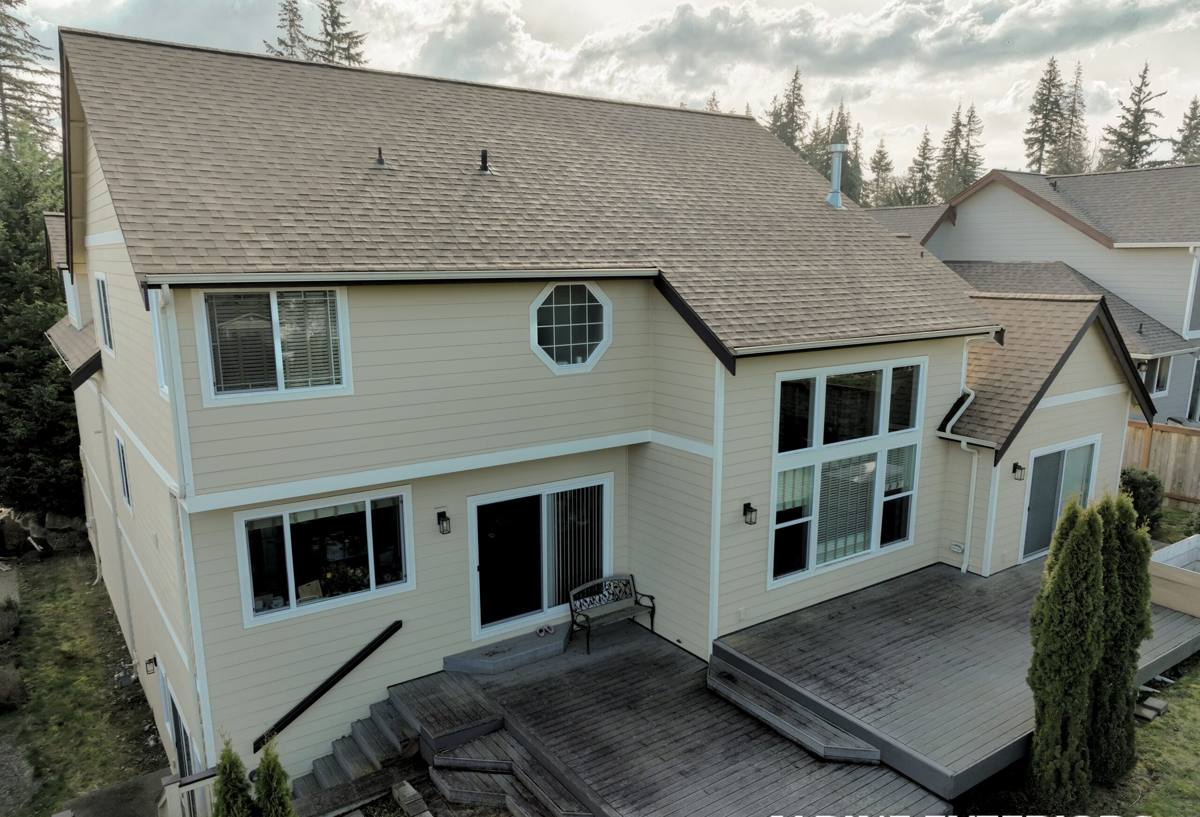
What Salt Air, Rain, and Moss Actually Do to Windows
Homeowners often assume window failure means a cracked pane or a broken latch. In Edison, the more common story is slower and less obvious.
Salt Air and Metal Hardware
Proximity to Samish Bay and the surrounding tidal flats means airborne salt reaches homes well inland from any shoreline. Salt accelerates corrosion on window hardware — hinges, cranks, locks, and aluminum components — even when the frame itself still looks fine. Once hardware starts to pit or seize, weatherstripping and seals around it are usually not far behind.
Driving Rain and Wind-Driven Water
Storms coming off the water don't just fall straight down here — wind pushes rain sideways into wall assemblies and window openings. A window that would perform fine in calm rain can leak under wind-driven conditions if the flashing and sill pan weren't installed correctly the first time. This is one of the most common root causes of hidden rot we find behind older window installs in this area.
Moss, Algae, and Prolonged Dampness
Skagit County's long moss season isn't just a roof and siding issue. Moss and algae take hold on window sills, exterior trim, and anywhere water sits or drains slowly. That constant dampness keeps wood components wet for extended periods, which is exactly the condition that leads to soft sills, swollen sashes, and paint failure around window openings.
Signs an Edison Home Needs Window Replacement
Some of these are obvious. Others are easy to miss until they've caused real damage.
- Visible fogging or a cloudy haze between panes of double-pane glass — a sign the seal has failed and the insulating gas has escaped
- Soft, spongy, or discolored wood at the sill or bottom corners of the frame
- Windows that are difficult to open, close, or lock, especially after damp weather
- Persistent condensation on the inside of the glass, even in mild weather
- Visible moss, algae, or black staining building up on the sill or exterior trim
- Drafts you can feel near the frame, or a noticeable rise in heating costs
- Peeling or bubbling paint on interior or exterior trim around the window opening
- Daylight or gaps visible around the frame from outside
Any one of these on its own might just mean a repair. Several of them together, especially on windows original to an older home, usually point to replacement being the more honest recommendation.
What a Correct Window Replacement Job Actually Involves
The window itself matters, but in this climate the installation details around it matter just as much — often more. A good window installed poorly will leak. A mid-range window installed correctly will outperform it.
Here's what we treat as non-negotiable on every Edison-area job:
- Full removal of the old window and inspection of the rough opening for hidden rot or water damage before anything new goes in
- Sill pan flashing that directs any water that does get past the window back outside, not into the wall cavity
- Properly lapped house wrap and flashing tape around the opening, following a shingle-style sequence so water always drains outward and downward
- Correct shimming and squaring so the window operates smoothly and doesn't stress the seals over time
- Low-expansion foam and backer rod for insulation, rather than relying on caulk alone to fill gaps
- Exterior sealant appropriate for coastal, high-moisture conditions, applied at the right joints — not everywhere, since trapping moisture behind sealant can cause more harm than good
If a contractor's process skips the flashing and opening inspection and goes straight from old window out to new window in, that's the shortcut that shows up as a leak two or three winters later.
Choosing Materials for a Marine Climate
There's no single "best" window material — the right choice depends on the home, the budget, and how exposed the specific wall or elevation is to wind and rain. Here's how the common options actually perform in Edison's conditions:
| Material | How It Handles This Climate | Maintenance | Typical Fit |
|---|---|---|---|
| Vinyl | Won't rot or corrode; performs well against salt air and moisture | Low — occasional cleaning | Most homes, best value |
| Fiberglass | Very stable in temperature and moisture swings; strong resistance to warping | Low | Homes wanting a longer-term, lower-maintenance upgrade |
| Wood-clad (exterior clad in vinyl or aluminum) | Good performance if cladding and flashing details are done right; interior wood look preserved | Moderate — cladding protects exterior, interior wood still needs care | Homes prioritizing a traditional wood interior appearance |
| Bare wood | Most vulnerable to this climate without diligent, ongoing upkeep | High — regular painting/sealing required | Historic homes where original wood is a priority |
| Bare aluminum | Prone to corrosion from salt air over time; poor insulator | Moderate to high | Generally not recommended for this area |
We're upfront when a material isn't a good match for a given home's exposure — a west- or water-facing wall that takes the brunt of driving rain isn't the place to save money on a lower-grade product, even if it would be fine on a sheltered side of the house.
How Our Window Replacement Process Works
1. On-Site Assessment
We look at the existing windows, the condition of the openings, and how exposed each elevation of the home is to wind, rain, and salt air. Exposure often varies wall to wall, which can change our recommendation from one side of the house to another.
2. Honest Options and a Written Estimate
We walk through material and style options that fit the home and the budget, and explain the trade-offs plainly — no pressure toward the most expensive option if it isn't the right fit.
3. Precise Measurement and Ordering
Windows are ordered to the actual opening, not a rough estimate, to avoid gaps that are hard to seal correctly later.
4. Removal and Opening Inspection
Old windows come out carefully, and we check the framing and sheathing underneath for any moisture damage before installing anything new.
5. Installation with Proper Flashing and Sealing
Sill pans, flashing, insulation, and sealant are installed in the correct sequence, matched to what this climate demands.
6. Final Check and Cleanup
Every window is tested for smooth operation and a tight seal before we consider the job finished, and the work area is left clean.
What Window Replacement Typically Costs
Pricing depends on window size, material, style, and how many windows are being replaced at once, but these are the main factors that move the number:
| Factor | Why It Affects Cost |
|---|---|
| Window material (vinyl, fiberglass, wood-clad) | Material cost and long-term performance vary significantly |
| Number of windows replaced together | Bundling multiple windows in one project reduces per-window labor cost |
| Condition of the existing opening | Hidden rot or damage found during removal adds repair work before the new window can go in |
| Window size and style | Larger windows and operable styles (casement, sliders) cost more than smaller fixed units |
| Access and elevation | Second-story or hard-to-reach windows take more time and equipment |
We give a firm, written estimate after seeing the home in person — not a phone quote — because the condition of the opening and the exposure of each wall genuinely change the scope.
Why It Matters That We Already Work in Edison
Edison is a small community, and homes here share a lot of the same exposure patterns — proximity to the water, older farmhouse and cottage construction in places, and the same salt-air-and-rain combination that doesn't show up the same way in a drier part of the state. A crew that already does regular work in Skagit County knows what to check for before starting, rather than treating every home like a first guess.
We're also familiar with the practical side of working in this area: typical permitting expectations for Skagit County, seasonal weather windows that make scheduling exterior work more predictable, and the kind of construction common to homes in and around Edison and the broader Anacortes area.
Keeping New Windows Performing Long-Term
A correct installation does most of the work, but a little upkeep goes a long way in this climate:
- Rinse salt residue off frames and glass periodically, especially after storms
- Keep sills and tracks clear of moss, algae, and debris so water drains freely
- Check exterior caulk lines once a year and have any cracked sealant addressed promptly
- Operate hardware (locks, cranks) periodically even on windows you don't open often, to keep moving parts from seizing
- Watch for condensation between panes — it's the earliest sign of a failing seal
If you're weighing whether it's time to replace windows on an Edison-area home, we're glad to take a look and give you a straight answer — including telling you if replacement isn't necessary yet. Reach out for a free, no-pressure estimate using the form below.