 Anacortes
 Windows in Old Town Anacortes: What the Neighborhood Is Up Against
Old Town Anacortes is one of the city's older residential pockets, close enough to the water that homes here feel the marine climate more directly than houses set back on higher, more sheltered ground. Many of these homes still carry original wood windows or an early round of replacements installed decades ago — units that were fine for their time but were never built to handle the level of air and moisture exposure this part of Fidalgo Island sees year after year.
The character of these older homes is worth keeping. The window performance often isn't. Single-pane sashes, tired weatherstripping, and hardware that's been fighting salt air since the Carter administration are usually the single biggest source of drafts, heat loss, and moisture problems in an otherwise solid house. Fixing that doesn't mean stripping the home of its character — it means matching the right window and the right installation to the specific conditions this neighborhood deals with.
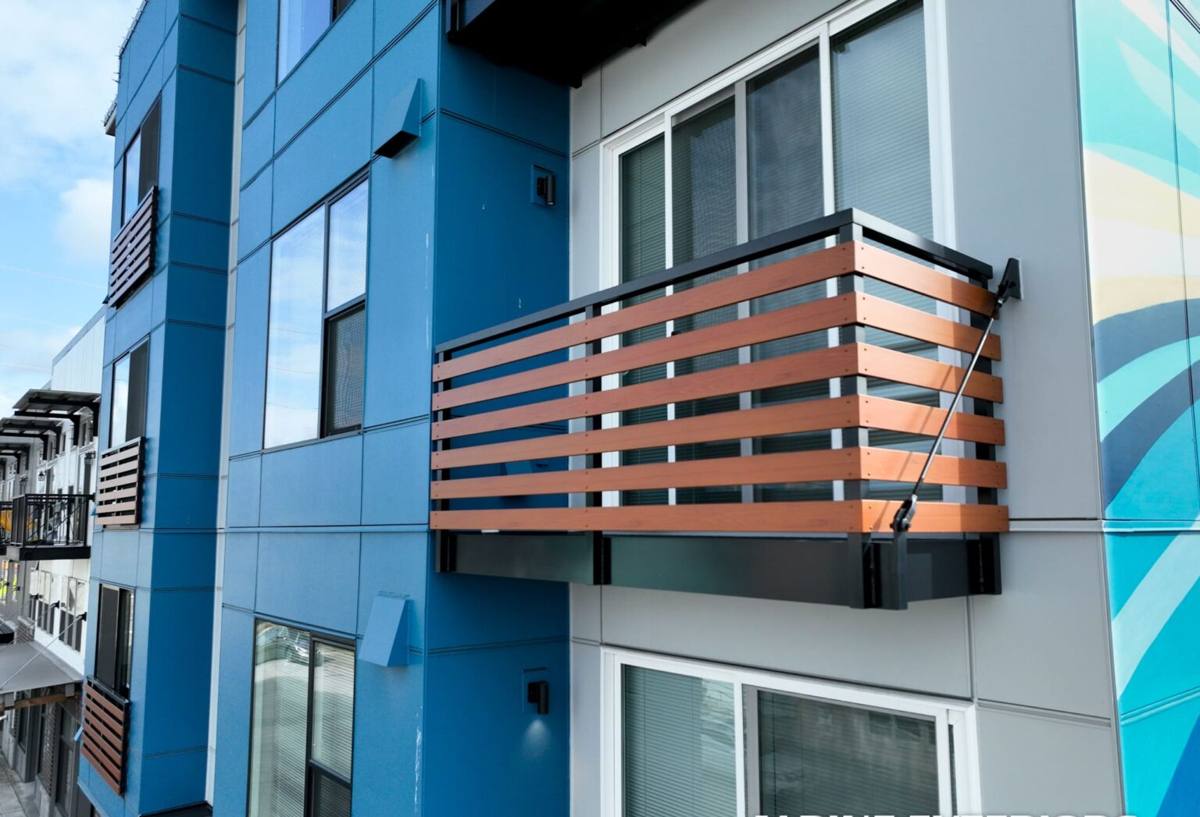
Salt Air, Driving Rain, and Moss: The Real Cost of Getting It Wrong
Three things define window wear in Old Town Anacortes, and none of them are unique to this one street or that one house — they're neighborhood-wide.
Salt Air
Proximity to Guemes Channel and the surrounding saltwater means airborne salt is a constant, low-level presence. It's slow but relentless on metal hardware — hinges, locks, balance systems, and screws corrode faster here than they would ten miles inland. Vinyl and coated aluminum components can pit and dull over the years too. It's rarely dramatic; it's a steady erosion that shows up as windows that stick, latches that won't seat, and finishes that look tired well before their time.
Driving Rain
Wind off the water doesn't just drop rain straight down — it drives it sideways into any gap, seam, or weak flashing detail in a wall system. Older window installations, especially ones done before sill pans and proper flashing tape were standard practice, are frequently missing the moisture management layer that keeps wind-driven rain out of the wall cavity. That's a slow leak you often don't see until there's already rot or stained drywall behind the trim.
Moss Season
Skagit County's wet season runs long — realistically fall through spring — and shaded, north-facing walls in Old Town's older, tree-lined lots can stay damp for months at a stretch. Moss and mildew don't just look bad on sills and trim; sitting moisture held against wood trim or an unsealed sill is exactly what accelerates rot and paint failure.
What "Energy-Efficient" Actually Means Here
Anacortes doesn't get brutal winters, so chasing the lowest possible U-factor number on a spec sheet isn't the whole story for this climate. What actually matters for a home in this location is a combination of factors working together:
- U-factor — how well the window resists heat transfer. Lower is better, but in our mild coastal climate the gains beyond a solid mid-range number are marginal.
- Air infiltration rating — how much draft leaks through the sash and frame. This matters a lot here, since old, worn windows are usually leaking air more than they're leaking heat through the glass.
- Condensation resistance — how well the window handles the humidity load of a wet coastal climate without fogging or sweating on the interior.
- SHGC (solar heat gain coefficient) — how much solar warmth passes through the glass, which affects comfort on the sun-exposed sides of a home differently than the shaded ones.
In practice, that means the right glazing package for Old Town Anacortes prioritizes air-sealing and moisture control first, with solar performance tuned to which direction each window actually faces.
Frame Material Options: What Holds Up in This Climate
There's no single "best" window material for every home — it depends on exposure, budget, and how much upkeep you want to take on. Here's how the common options actually compare for a coastal Skagit County home:
| Material | Upfront Cost | Salt Air / Moisture Resistance | Maintenance | Typical Lifespan |
|---|---|---|---|---|
| Vinyl | Lowest | Good — won't rot or corrode, seals can wear over time | Low — occasional cleaning | 20-30 years |
| Fiberglass | Mid to higher | Very good — dimensionally stable in temperature and moisture swings | Low | 30-40+ years |
| Wood, aluminum- or vinyl-clad | Higher | Good exterior protection, but cladding seams and end cuts need correct detailing near salt air | Moderate — exterior low-maintenance, interior wood needs normal upkeep | 25-35 years, install-dependent |
We'll walk through which option fits a given exposure — a west-facing wall catching direct weather off the water is a different call than a sheltered, tree-shaded elevation on the same house.
What a Correct Installation Actually Looks Like
The window unit itself is maybe half the equation. The other half — and often the part that determines whether a window lasts 10 years or 30 in this climate — is the installation. A correct job includes:
- A sill pan under the rough opening to catch and direct any water that gets past the exterior seal
- Properly lapped flashing tape integrated with the home's existing weather-resistive barrier, not just caulked over the top
- Backer rod and quality exterior sealant at the perimeter, sized correctly for the gap
- Low-expansion foam or batt insulation in the shim space — not left empty, and not over-packed
- Interior air-sealing at the trim, since draft loss happens on both sides of the wall
Skip any one of these steps and you can end up with a window that looks fine and still fails early — either by leaking during the next round of driving rain or by never actually stopping the drafts it was installed to fix.
Our Process for Old Town Anacortes Homes
Because so many homes in this neighborhood are older and were built or added onto over different decades, we don't treat window replacement as a one-size-fits-all swap. Our process starts with an on-site look at each opening individually — older houses are rarely perfectly square or consistent from window to window, and rough openings can vary even within the same house.
We check the condition of the existing sill and surrounding framing for moisture damage before anything gets ordered, since that affects both the scope of the job and what needs to be repaired underneath. We factor in which walls take the brunt of wind-driven rain off the water versus which are more sheltered, and size the material and glazing choice accordingly. Installation follows the flashing and sealing standards above on every unit, not just the ones facing the weather. When the job's done, we clean up fully and walk the results with you before calling it finished.
A Homeowner's Checklist Before You Sign a Window Contract
Whoever you hire, these are worth confirming up front:
- Does the quote specify sill pan flashing and a full moisture-management detail, not just "caulk and install"?
- Is the crew checking existing framing for rot or moisture damage before installing, or just measuring and swapping?
- Are they specifying hardware and fasteners rated for coastal/salt-air exposure, not standard interior-grade parts?
- Does the proposal note which windows are getting extra attention for wind-driven rain exposure based on which way they face?
- Is cleanup, haul-away of old windows, and a final walkthrough included in the price?
- Do they carry proper licensing and insurance, and will they put the warranty terms in writing?
Why a Crew That Already Works Old Town Anacortes Matters
A contractor who works this specific neighborhood regularly already knows which blocks catch the full force of weather off the channel and which are more sheltered by trees or terrain — that shapes real decisions about flashing detail and material choice, not just marketing. They're also more likely to have handled the quirks that come with this era of housing stock: older framing methods, non-standard rough openings, and trim details that don't always match what you'd find in a newer subdivision.
There's also the practical side — knowing City of Anacortes permitting requirements, understanding how to sequence work around Skagit County's wet season so openings aren't sitting exposed during a storm, and being someone you can actually reach again if a question comes up two years down the road. That local track record is worth more than a lower bid from a crew that's never worked this stretch of the island before.
If you're weighing whether your Old Town Anacortes home's windows need replacing, patching, or just better sealing, we're happy to take a look and give you a straight answer. Reach out using the form below for a free, no-pressure estimate.