 Anacortes
 Deck Repair Built for Ship Harbor's Marine Climate
Ship Harbor sits close enough to the water that every deck in the area lives a harder life than one built inland. Salt-laden air moves off the strait, driving rain comes in sideways during fall and winter storms, and the shaded, damp stretches of the neighborhood grow moss on almost any horizontal wood surface that isn't kept clean and dry. None of that means a deck can't last — it means a deck has to be built and repaired with those conditions in mind from the start, not patched with whatever fix would work fine in a drier part of Skagit County.
We work on decks throughout Anacortes, and Ship Harbor decks tend to show a specific, recognizable pattern of wear. Knowing that pattern before we ever pull up a board is what separates a repair that holds for another decade from one that fails again in two years.
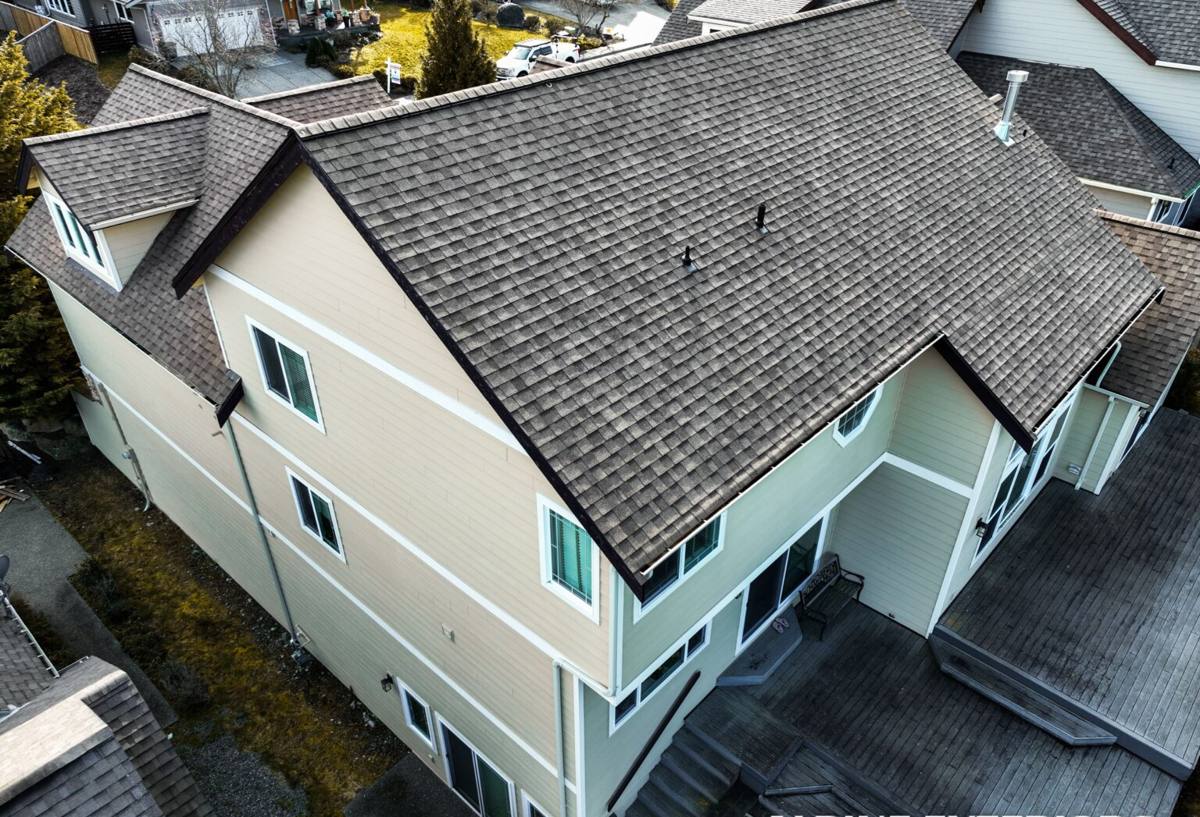
Why Ship Harbor Decks Wear Differently
Salt Air and Metal Fasteners
Airborne salt accelerates corrosion on anything metal — nails, screws, joist hangers, post bases, and railing hardware. Once a fastener starts to rust, it loses grip on the wood around it, and the hole it sits in widens. That's how a deck that looks structurally fine on the surface can have loose ledger connections or wobbly railing posts underneath. We check fastener condition on every repair call, because replacing a board but leaving corroded hardware behind just guarantees a callback.
Driving Rain and Water Intrusion
Storms coming off the water don't just fall straight down — they get pushed sideways into ledger boards, stair stringers, and the gap where decking meets the house. Water that would run off a flat surface elsewhere gets driven into seams and end grain here. Over time that means rot starts in places that aren't obvious from a casual look: under flashing, behind rim joists, and at the top of support posts where water pools against the house.
Moss, Shade, and Slow Drying
A lot of Ship Harbor lots have mature trees or sit in the shadow of neighboring homes, which keeps decks damp longer after every rain. Moss and algae take hold on boards that don't get enough sun or airflow to dry out between storms. Beyond making the surface slippery, moss holds moisture directly against the wood, which speeds up rot and makes fastener corrosion worse. A deck growing moss every winter is a deck that's losing structural life faster than it should.
What a Correct Deck Repair Actually Involves
A lot of deck "repairs" amount to swapping a rotted board for a new one and calling it done. That fixes what you can see, but it often leaves the cause of the rot in place, so the same spot fails again in a season or two. Our approach starts with figuring out why a board failed, not just replacing it.
Inspection Before Repair
- Probe suspect boards, ledgers, and posts with an awl to find soft or rotted wood, not just what's visibly discolored
- Check every joist hanger, post base, and structural fastener for rust, looseness, or missing hardware
- Look at the ledger board connection to the house — the single most common failure point on older decks
- Assess drainage: are boards pitched to shed water, or is water sitting and soaking in?
- Check railings and stair stringers for the same rot and corrosion issues, since these get less attention but carry real safety risk
- Note moss and algae coverage as an indicator of chronic damp areas, not just a cosmetic issue
Repairing the Right Way
Once we know what's actually failing, the repair addresses the cause: correcting flashing or drainage where water is getting driven in, replacing corroded fasteners with hardware rated for coastal exposure, and rebuilding structural connections to current standards rather than just matching what was there before. Cosmetic board replacement happens last, once the structure underneath is sound.
Common Repair Scenarios We See in Ship Harbor
Soft or Spongy Decking Boards
Usually concentrated where boards butt against the house or around posts, where water lingers longest. If caught before it spreads, we can often replace individual boards. Left too long, the rot travels into the joists underneath and the repair scope grows.
Loose or Wobbly Railings
Almost always a fastener or post-base corrosion issue rather than a design flaw. This is a safety item we prioritize — a railing that shifts under load needs to be addressed regardless of how the rest of the deck looks.
Ledger Board Separation
Where the deck attaches to the house is under constant stress and, on an older deck, may never have been properly flashed. Water intrusion here is serious because it can affect the house's rim joist, not just the deck. We treat any sign of separation or staining at the ledger as a priority inspection item.
Slippery, Moss-Covered Surfaces
Sometimes a cleaning and sealing job is enough; sometimes moss cover is a symptom of a deck that's pitched wrong or shaded so heavily that no amount of cleaning keeps it dry. We'll tell you honestly which situation you're in rather than selling a surface clean that won't hold.
Repair vs. Full Rebuild: How We Help You Decide
Not every aging deck needs to be torn out. But a deck with widespread structural rot, repeated ledger problems, or hardware that's failed across multiple areas is often more cost-effective to rebuild than to keep patching. We walk through this decision honestly with every homeowner.
| Factor | Favors Repair | Favors Rebuild |
|---|---|---|
| Rot location | Isolated to a few boards or one area | Spread across joists, ledger, and posts |
| Deck age | Under 15 years, built to a reasonable standard | Older deck, outdated fastener or framing methods |
| Fastener condition | Hardware mostly sound, isolated corrosion | Widespread rust on structural connectors |
| Ledger connection | Solid, properly flashed | Separating, unflashed, or showing water staining |
| Moss/algae history | Manageable with cleaning and drainage fixes | Chronic, tied to a structural pitch or design issue |
Materials That Hold Up in This Environment
Material choice matters more here than it does further inland. Standard fasteners and untreated hardware corrode faster in salt air, and softer woods hold moisture longer in the shaded, damp conditions common around Ship Harbor. For repairs, we use fasteners and connectors rated for coastal or high-moisture exposure, and we match decking material to how the deck is actually used and how much sun and airflow it gets. A deck that sits mostly in shade is a poor candidate for a low-maintenance composite that traps moisture against a still-damp substructure — sometimes the more moisture-tolerant, better-ventilated choice is the more honest recommendation, even if it requires more upkeep than a set-and-forget product would suggest. We'll walk through the real trade-offs — maintenance time, moisture behavior, upfront cost — rather than defaulting to whatever's easiest to sell.
Our Process for Ship Harbor Deck Repairs
- On-site inspection. We walk the full deck, probe for soft wood, and check hardware and the ledger connection — not just the obviously damaged spot you called about.
- Honest scope and estimate. You get a clear breakdown of what needs repair now, what's borderline and worth watching, and what can wait.
- Root-cause repair. We fix the drainage, flashing, or hardware issue causing the damage, not just the symptom.
- Material matched to exposure. Fasteners, flashing, and decking selected for salt air and moisture, not generic hardware-store defaults.
- Final walkthrough. We check the repair holds under load and show you what to watch for going forward, including moss management.
Maintenance That Extends the Life of a Repair
A good repair still needs some upkeep in this climate, especially in shaded or low-airflow areas of a property. A short seasonal routine goes a long way:
- Sweep debris and standing leaves off the deck regularly, especially in fall, so moisture doesn't sit trapped against boards
- Clean moss and algae off surfaces before it builds up thick enough to hold water against the wood
- Check railing posts and stair connections once a year for looseness — an early sign of fastener corrosion
- Watch for staining or gaps at the ledger board, which usually shows up before visible rot does
- Reseal or treat wood decking on the manufacturer's recommended schedule rather than waiting until it looks obviously weathered
Why Local Experience with Ship Harbor Conditions Matters
A contractor who mostly works drier, inland jobs can still do competent carpentry, but they may not recognize the early signs of salt-air corrosion or know which shaded pockets of a neighborhood like Ship Harbor stay damp longest. We work decks across Anacortes and Skagit County regularly enough to know where problems tend to start on a coastal deck before they become obvious from the surface. That's the difference between a repair that treats a symptom and one that actually addresses why the deck failed in the first place.
If you've got a deck in Ship Harbor showing soft boards, loose railings, or moss that keeps coming back no matter how often you clean it, we're glad to take a look. Reach out for a free, no-pressure estimate — we'll give you a straight assessment of what's actually going on and what it would take to fix it right.