 Anacortes
 Why Old Town Anacortes Decks Wear Out Differently
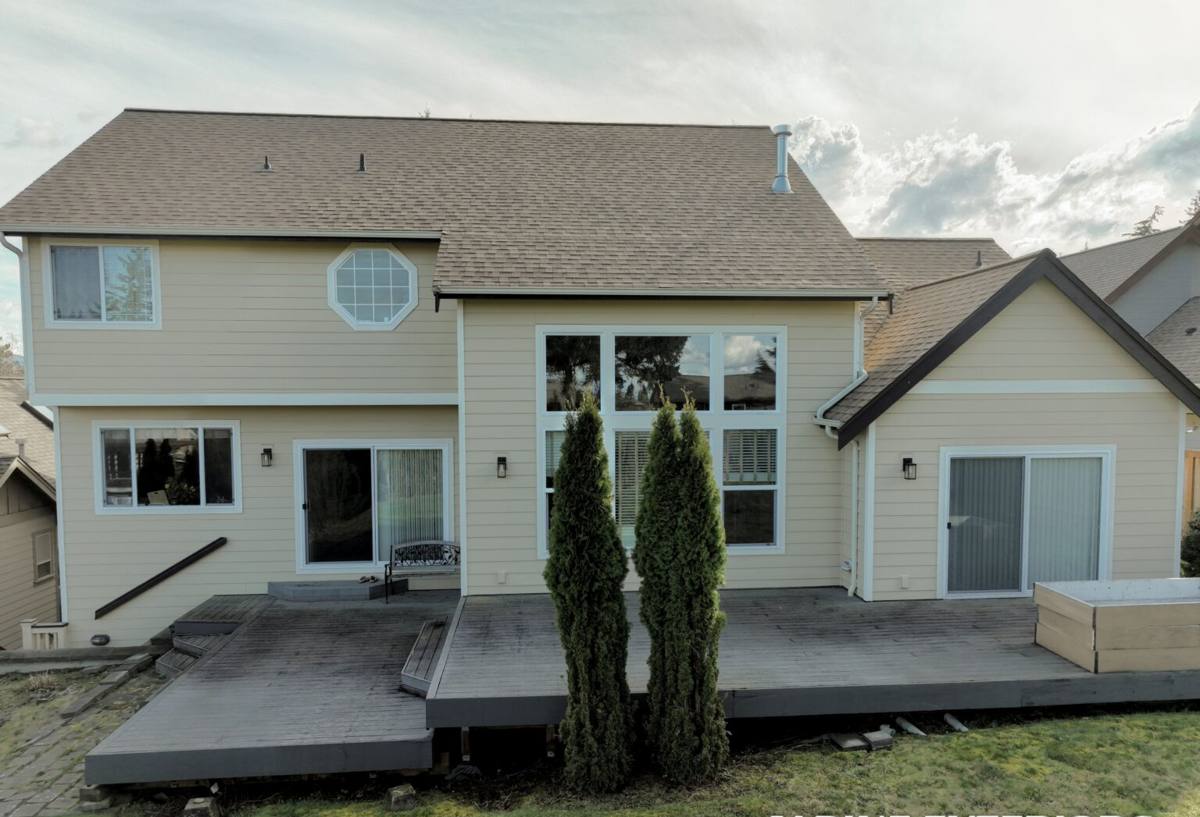
Decks in Old Town Anacortes take a harder beating than a deck built the same year fifty miles inland. This is a neighborhood shaped by saltwater proximity, marine weather, and a climate that stays damp far longer than most homeowners expect. The combination of salt-laden air off the water, driving rain that comes in sideways during winter storms, and a moss season that can stretch from October into May means the wood, fasteners, and framing underneath a deck are under constant low-grade attack even when the deck looks fine from the top.
We see the same pattern on older homes throughout this part of Skagit County: a deck that was built solid, finished nicely, and then quietly deteriorated from the inside out because nobody was checking the parts you can't see from a lawn chair. Deck repair here isn't just about replacing a few gray boards — it's about understanding how salt air, moisture, and moss actually damage a structure over time, and fixing the cause, not just the symptom.
The Warning Signs Worth Taking Seriously
Most deck failures don't happen suddenly. They show small signs for months or years before anything breaks. Homeowners in Old Town Anacortes should walk their deck a couple of times a year and check for the following:
- Soft, spongy, or bouncy spots underfoot, especially near the house or along board edges
- Green or black moss buildup that stays damp for days after rain instead of drying out
- Rust streaks or crumbling around screw heads and nail holes
- Gaps opening up where the deck meets the house (the ledger board connection)
- Wobbly railings or posts that shift when you lean on them
- Cracking, splitting, or checking on stair stringers
- Discoloration or staining on the underside of the deck where water has been running
- Visible daylight or soft wood where a support post meets its footing
Any one of these on its own might be minor. Several together usually mean water has been getting into the structure for a while, and it's worth having someone look underneath, not just at the surface.
Where Deck Damage Actually Starts
The Ledger Board
The ledger board — the piece that bolts the deck to the house — is the single most important structural connection on most decks, and it's also the most common failure point we find. If it wasn't flashed correctly when the deck was built, water runs down the siding, behind the ledger, and sits there. In a climate with as much driving rain as Anacortes gets, that slow leak can rot the ledger and the rim joist behind it long before anything looks wrong on the surface.
Joists and Beams
Framing lumber underneath the decking takes on moisture from above (through gaps between boards) and from below (poor airflow, ground moisture, or moss holding water against the wood). Once rot sets in at a joist end or a beam pocket, it spreads along the grain of the wood, which is why a repair that only replaces the visible rotten section sometimes fails again within a year or two.
Fasteners and Hardware
Salt air accelerates corrosion, plain and simple. Standard coated deck screws and joist hangers that would last decades inland can start rusting and losing holding strength much sooner this close to the water. Corroded hardware is a structural issue, not a cosmetic one — a joist hanger that's rusted through isn't holding up its share of the load anymore.
Posts and Footings
Post bases that sit in standing water or get buried in wet moss and debris rot from the bottom up. This is especially common on decks with limited ground clearance or landscaping that's crept up around the base of the posts over the years.
Repair or Replace? How We Make That Call
Not every damaged deck needs to come down. A lot of the time, the framing is sound and only specific components need attention. Other times, what looks like a simple board replacement turns out to be a symptom of a bigger structural problem. Here's generally how we think through it:
| Situation | Usually Repairable | Usually Needs Replacement |
|---|---|---|
| A few surface boards cupping, splintering, or graying | Yes — board swap-out, framing untouched | Rarely |
| Soft spot at one joist, rest of framing solid | Yes — sister or replace the single joist | Only if rot has spread |
| Ledger board rot without flashing | Sometimes, if caught early | Often — ledger and rim joist together |
| Widespread rot across multiple joists or the main beam | Rarely cost-effective | Yes — full or partial rebuild |
| Loose railings or wobbly posts, framing otherwise sound | Yes — reattach or replace posts | No |
| Undersized or outdated framing not meeting current load standards | No | Yes |
The honest answer is that we won't know for certain until we pull a few boards and look at the framing directly. We'd rather tell a homeowner "this is a $400 fix" and be right, than guess low from the surface and find a bigger problem once the work has started.
Matching Materials When We Rebuild a Section
When a repair involves replacing decking boards, the material choice matters more in this climate than it would somewhere drier. Here's how the common options hold up under salt air, rain, and moss:
| Material | Moisture & Moss Resistance | Maintenance | Notes for This Area |
|---|---|---|---|
| Pressure-treated fir or hem-fir | Moderate — needs sealing | Annual cleaning and re-sealing recommended | Lowest cost, matches most existing older decks |
| Cedar | Good natural resistance, but softens over time in constant damp | Periodic cleaning and oiling | Common choice for a natural look on older homes |
| Composite decking | Very good — doesn't rot, sheds moss more easily | Occasional washing, no sealing | Higher upfront cost, longer service life; framing underneath still needs wood-level protection |
| PVC/cellular decking | Excellent — fully moisture resistant surface | Low | Best for full sun exposure or splash zones; higher cost tier |
We're happy to patch in wood to match an existing deck when that's the right call for budget or appearance. When a section is being rebuilt from scratch and the homeowner wants to stop fighting moss and rot every couple of years, composite or PVC boards on properly protected framing is usually the lower-maintenance path — we'll walk through the real cost difference rather than push one option.
Fasteners, Flashing, and the Details That Prevent the Next Repair
Most of what separates a repair that lasts from one that fails again in three years comes down to details that aren't visible once the job is done:
- Corrosion-resistant fasteners — stainless steel or heavy hot-dip galvanized hardware, not standard coated screws, especially anywhere close to the water or exposed to salt-laden wind
- Proper ledger flashing — a metal or membrane flashing detail that actually sheds water away from the house, not just a bead of caulk
- Gapping between boards — correct spacing so water and debris don't sit on the decking and feed moss growth
- Ventilation underneath — clearing plantings, debris, and standing moss away from posts and framing so air can actually reach the wood
- Joist tape or flashing on framing — protecting the tops of joists and beams from the water that gets through the decking gaps
Skip these details and a repair might look fine for a season or two before the same rot shows up again in the same spot.
Permits and Structural Standards
Depending on the scope, deck repair work in Anacortes can fall under Skagit County or City of Anacortes building permit requirements — this is especially true for structural work like ledger reattachment, beam or post replacement, or any repair that affects the deck's load path. Cosmetic board replacement typically doesn't require a permit, but structural repairs often do, and skipping that step can create problems later when the home is sold or inspected. We'll tell you plainly when a repair crosses that line rather than quietly working around it.
Our Process for Old Town Anacortes Deck Repair
- On-site inspection — we walk the deck, check the framing from underneath where accessible, and identify every area of concern, not just the one you called about
- Honest assessment — we tell you what's cosmetic, what's structural, and what can wait versus what shouldn't
- Written scope and estimate — a clear breakdown of what's being repaired, replaced, or reinforced, and why
- Permit check — we flag anything that needs a permit before work starts, not after
- Repair work — proper flashing, corrosion-resistant fasteners, and matched or upgraded materials, done to hold up to another Anacortes winter, not just pass a glance
- Final walk-through — we show you what was done and what to keep an eye on going forward
Why a Crew That Already Works Old Town Anacortes Matters
A contractor who mostly works inland decks doesn't always think about salt air corrosion or a moss season that outlasts the dry months by a wide margin. We work on homes throughout Anacortes and the surrounding Skagit County area, and we've seen firsthand how differently a deck ages here compared to a similar structure twenty miles east. That shapes the fastener grade we default to, how seriously we treat ledger flashing, and how we talk homeowners through the repair-versus-replace decision instead of defaulting to the most profitable answer.
Old Town Anacortes homes have real character, and a lot of them have decks that have been patched piecemeal over the years by different hands. Part of our job is figuring out what those past repairs actually did — and undoing the ones that were done wrong — before adding new work on top.
Get a Straight Answer About Your Deck
If your deck has soft spots, moss that won't quit, or hardware that's starting to rust, it's worth getting a second set of eyes on it before winter rains make the problem worse. We offer a free, no-pressure estimate — we'll look at what's actually going on underneath, tell you honestly what needs attention now versus what can wait, and give you a clear price before any work begins. Use the form below to get started.