 Anacortes
 Building a Deck That Belongs in Old Town Anacortes
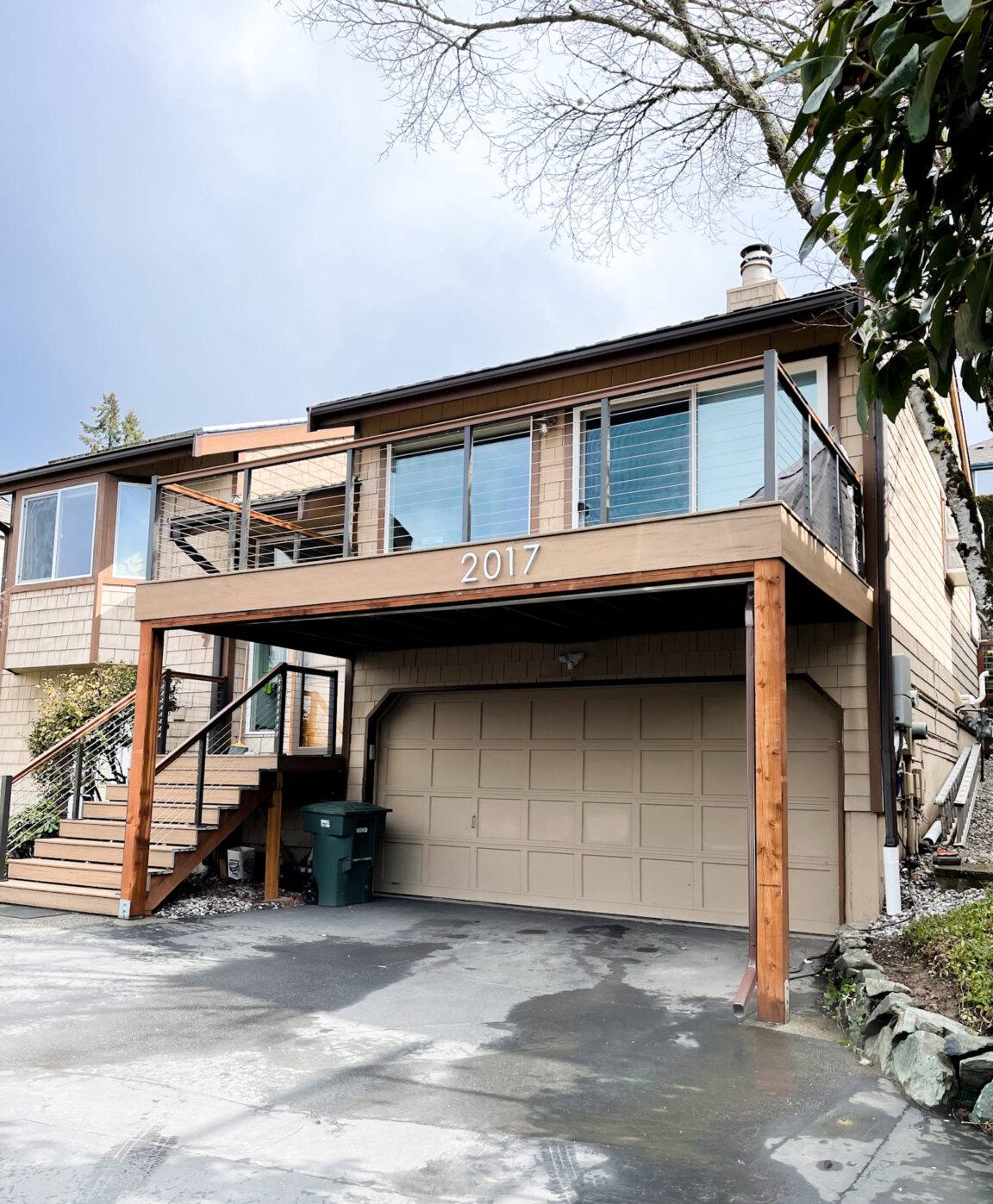
Old Town Anacortes is one of the older residential pockets of the city, with a mix of long-settled homes on lots that were laid out decades before anyone thought about composite decking or code-required flashing details. A lot of the houses here have additions, older framing, and grade changes that a cookie-cutter deck plan doesn't handle well. Building a deck that actually fits an Old Town property means working with what's already there — the house's age, the slope of the yard, and the amount of salt air and shade a given lot gets — rather than pretending every job is the same.
We build decks across Anacortes and the rest of Skagit County, but a project in Old Town gets treated differently from one on a newer lot on the edge of town. The framing underneath an older home isn't always square or level, the siding it ties into may already show wear, and the deck has to hold up in the same marine climate that's been working on that house for fifty-plus years. Good deck building here starts with respecting that history, not fighting it.
How Anacortes' Marine Climate Shapes Every Deck Build
Anacortes sits on Fidalgo Island, wrapped by saltwater on nearly every side, which means every exterior structure in town — including your deck — deals with salt-laden air, sustained damp periods, and driving rain that comes in sideways during winter storms. That combination is harder on a deck than plain rain ever would be.
Salt Air
Airborne salt accelerates corrosion on anything metal — screws, joist hangers, post bases, railing hardware. Standard galvanized fasteners that would be fine inland can start showing rust streaks within a couple of seasons this close to the water. It's one of the first things we account for when specifying materials for an Old Town build.
Driving Rain
Wind-driven rain doesn't just fall on a deck, it gets pushed sideways into ledger connections, under railing posts, and into any gap in the decking. Framing and flashing details that work fine in a drier climate can trap that moisture instead of shedding it, which is where rot problems usually start.
Moss Season
Anacortes has a long stretch of the year — roughly fall through spring — where surfaces stay damp enough for moss and algae to take hold. On a deck, that shows up as a slick green film on boards, in the gaps between them, and on any shaded railing or stair tread. Left alone, it's not just a slip hazard; trapped moisture under moss accelerates wood decay.
What Older Old Town Homes Need From a New Deck
Older homes bring a specific set of challenges that a straightforward deck job on newer construction doesn't have.
- Ledger attachment: The board that ties a deck to the house has to be lag-bolted or through-bolted into solid framing, not just the siding or trim. On older homes, that framing isn't always where you'd expect, and it sometimes needs to be sistered or reinforced before the ledger goes on.
- Flashing behind the ledger: This is the single most common failure point on older decks in wet climates. Without proper flashing that directs water out and away from the house, moisture works its way behind the siding and rots the rim joist and wall sheathing from the inside, often long before it's visible from outside.
- Uneven or settled ground: Older lots have had decades to settle unevenly. Footings need to be sized and placed for what the soil is actually doing now, not what a generic plan assumes.
- Grade and drainage around the house: A deck built without accounting for how water already moves across an older lot can end up redirecting runoff toward the foundation instead of away from it.
Choosing the Right Decking Material for This Climate
There's no single "best" decking material — it depends on budget, how much upkeep you're willing to do, and how much shade and moisture the deck's location gets. Here's how the common options actually perform in an Anacortes marine climate.
| Material | Upfront Cost | Maintenance | Moss/Algae Resistance | Typical Lifespan Here |
|---|---|---|---|---|
| Pressure-treated wood | Lowest | Annual cleaning, periodic sealing | Low — needs regular cleaning to stay ahead of it | 10–15 years |
| Cedar | Moderate | Cleaning plus refinishing every few years | Moderate — naturally rot-resistant but still grows moss if shaded | 15–20 years with upkeep |
| Composite | Highest | Occasional washing, no sealing or staining | Higher — doesn't absorb moisture the way wood does | 25–30+ years |
In shaded or north-facing spots — common on tighter Old Town lots with mature trees or close neighboring houses — composite tends to pay for itself in reduced maintenance, since it doesn't feed moss and algae the way wood fiber does. On a sunnier, more exposed deck, a well-maintained cedar or treated-wood deck can perform fine and costs less to start. We'll walk through which makes sense for your specific lot rather than pushing one material across the board.
Where We're Selective About Certain Products
Not every decking product on the market is a good fit for a wet marine climate. Some lower-grade composite boards use core materials that absorb more moisture than they should, which can lead to swelling or fastener pull-through over time. We stick to products with a track record in wet Pacific Northwest conditions and are upfront if something on a homeowner's wish list isn't going to hold up here — that's a maintenance and longevity call, not a knock on any one brand.
Framing, Fasteners, and Footings Done Right
The parts of a deck you don't see are what determine whether it's still solid in fifteen years or starting to sag in five.
Fasteners and Hardware
Given the salt air, we use stainless steel or high-grade coated fasteners and connectors rated for corrosive coastal environments — not the standard galvanized hardware that's fine further inland. It costs a little more up front and saves you from rust-streaked, weakened connections down the line.
Footings
Footing depth and sizing need to match the soil conditions on your specific lot and meet local frost and load requirements. On older Old Town properties, we check what's actually in the ground rather than assuming a standard footing spec will work.
Joist Spacing and Airflow
Tighter joist spacing and proper airflow underneath the deck both help it dry out between the rain events that are frequent here for much of the year. A deck that can't shed moisture from underneath stays damp longer, which is exactly what moss and rot need to get started.
Our Deck Building Process
- On-site assessment: We look at your home's existing framing, the lot's drainage and sun exposure, and any access constraints specific to your property before recommending anything.
- Design and material selection: We talk through layout, decking material, and railing options based on your budget and how much upkeep you want to take on.
- Permitting: We handle the permit process with the City of Anacortes so the project is built to code from the start.
- Construction: Footings, framing, ledger flashing, decking, and railing — built in that order, with each stage checked before the next begins.
- Final walkthrough: We go over the finished deck with you, including what maintenance it actually needs and when.
Permits and Code in Anacortes
Most new deck construction in Anacortes requires a permit, and older Old Town lots sometimes carry additional considerations around setbacks or existing structures that a newer neighborhood wouldn't have. We handle the permit application and inspections as part of the job, so you're not the one trying to figure out city requirements. Building without a permit on a deck that needs one can create real problems later — at resale, with insurance, or if the work needs to be opened up and corrected.
Keeping Your Deck Ahead of Moss Season
A well-built deck still needs some seasonal attention in this climate. This is the routine we recommend to Old Town homeowners once a new deck is in.
- Sweep leaves and debris off the deck regularly in fall — trapped organic matter is what moss and algae feed on first.
- Rinse or lightly scrub the surface a few times a year, more often in shaded areas, to keep moss from establishing.
- Check railing posts and stair connections annually for any looseness, which can signal a fastener starting to corrode.
- Keep gutters and downspouts near the deck clear so runoff isn't draining directly onto or under it.
- For wood decks, plan on resealing or staining on the schedule your specific product calls for — skipping a cycle in this climate shows up fast.
- Trim back vegetation that's shading the deck and keeping it damp longer than it needs to be.
Why Hire a Crew That Already Works Old Town Anacortes
A deck contractor who mostly works elsewhere doesn't necessarily know how differently a marine, salt-air climate treats untreated hardware, or how older Old Town framing tends to be laid out. We work in this neighborhood regularly, which means we're not guessing about footing conditions on older lots, what flashing detail actually keeps water out of a fifty-year-old wall assembly, or how fast a shaded deck here grows moss compared to one a few miles inland. That local, repeated experience is what keeps a deck from turning into a maintenance headache two winters after it's built.
If you're planning a new deck or replacing an aging one in Old Town Anacortes, we're happy to take a look at your property and talk through what makes sense for it. Reach out for a free, no-pressure estimate using the form below.