 Anacortes
 Windows on the West Side of the Island Take a Different Kind of Beating
West Anacortes sits closer to open water than most of the city, which means homes here get more direct exposure to salt-laden air, wind-driven rain, and the kind of prolonged dampness that settles in every fall and doesn't fully let go until late spring. Standard windows, or windows installed without attention to local conditions, tend to show their age faster in this part of town — hazy glass from salt film, soft spots in wood sills, moss creeping along frame edges, and seals that give out years before they should.
Custom windows aren't about luxury upgrades or unusual shapes, though we can do that too. For most West Anacortes homes, "custom" simply means windows sized, built, and installed to match your specific openings, your home's exposure, and the way weather actually moves across your property — instead of a one-size-fits-all box unit that fights the climate for the next twenty years.
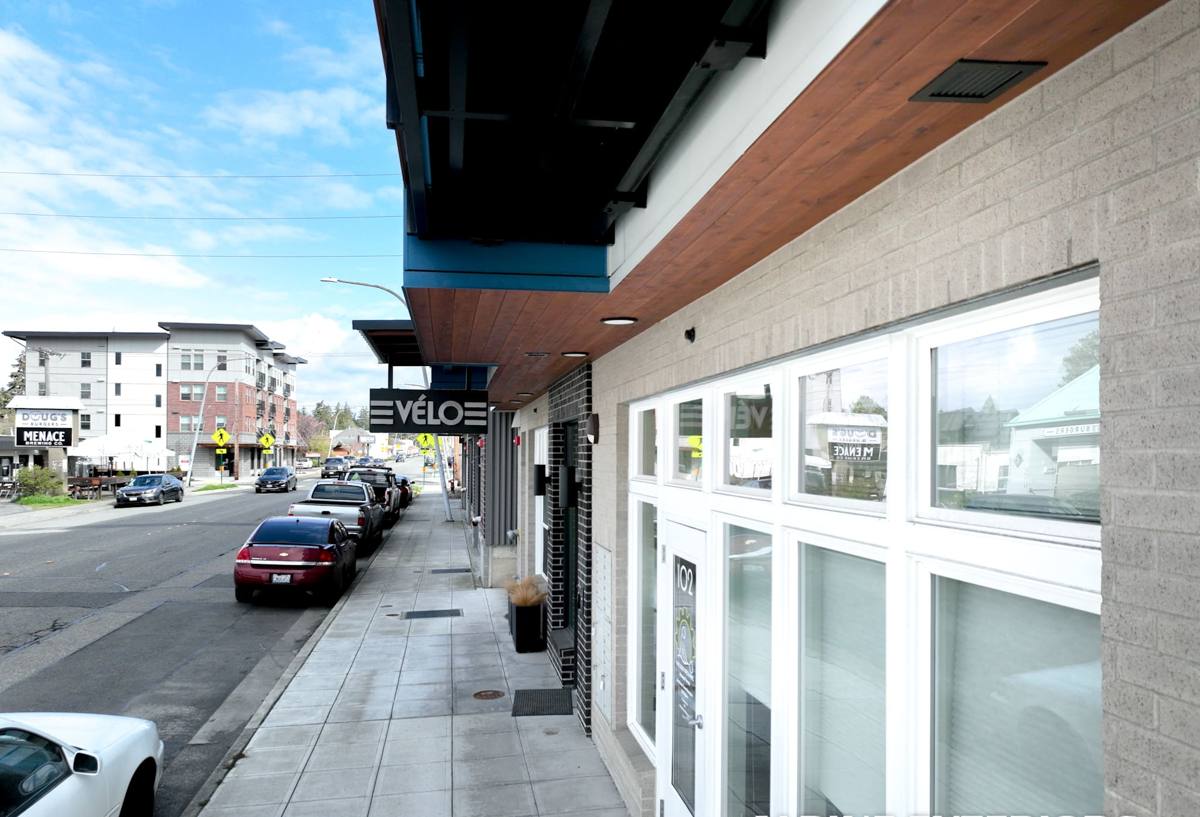
What Custom Window Replacement Actually Involves
A correct custom window job starts before anyone picks a product. It starts with measuring every opening individually — older Anacortes homes are rarely perfectly square, and framing can shift over decades of moisture cycling. We measure each window on-site rather than working off a standard size chart, then account for the specific wall assembly behind it: siding type, sheathing, and whatever flashing or weather barrier is already there.
From there, "custom" covers a few real decisions homeowners have to make:
- Frame material suited to a marine environment, not just the lowest sticker price
- Glass package matched to sun exposure and wind direction on that side of the house
- Flashing and sill pan detailing that actually sheds water away from the wall, not just around the frame
- Sizing and style that respects the original window openings, so we're not reframing more of the wall than necessary
- Interior and exterior trim that matches or intentionally updates the home's existing look
Skipping any of these to save time is how you end up with a window that looks fine for two years and then starts leaking at the bottom corners — which, in this climate, is one of the most common failure points we get called out to fix.
Frame Materials: What Holds Up Near the Water
There's no single "best" window frame material for every home, but in a west-facing, salt-air location the trade-offs matter more than they would a few miles inland. Here's how the common options compare for this specific environment:
| Frame Material | Moisture & Salt Air Behavior | Maintenance | Typical Lifespan Here |
|---|---|---|---|
| Vinyl | Won't rot or corrode; performs well against salt air | Low — occasional cleaning | 20-30 years with quality construction |
| Fiberglass | Excellent stability, resists warping in temperature swings from marine wind | Low | 30+ years |
| Wood | Needs consistent sealing/painting to resist moisture intrusion and rot | High — regular repainting/sealing | Varies widely with upkeep |
| Wood-clad (wood interior, clad exterior) | Good if cladding and flashing are installed correctly; vulnerable at end caps and joints if not | Moderate | 20-25 years |
| Aluminum | Conducts cold and can corrode faster near salt air without proper coating | Moderate | 15-20 years, shorter with exposure |
We don't push one material on every homeowner. A wood-clad window with a beautiful interior finish can be the right call on a covered porch elevation, while the same product on an unprotected west wall facing the water is asking for trouble. Part of our job is telling you honestly which option fits which wall of your specific house.
Why We're Selective About Wood in Exposed Locations
Solid wood frames on the water-facing side of a West Anacortes home require a level of ongoing maintenance — repainting, resealing joints, checking sills every season — that most homeowners don't realize they're signing up for until year three or four. It's not that wood windows are a bad product; it's that our professional standard is to match the material to the exposure, and we'd rather tell you that upfront than sell you a window that needs babying to survive the wet season.
Glass, Seals, and Flashing: The Details That Prevent Leaks
The glass package matters as much as the frame. Most custom replacement windows here are installed with:
- Low-E coatings to manage heat loss during Skagit County's cool, damp winters and reduce glare off the water
- Argon or krypton gas fill between panes for better insulation performance than plain sealed units
- Dual or triple-pane construction, with triple-pane typically justified on the most exposed, wind-facing elevations rather than every window in the house
But glass performance means nothing if the installation lets water behind it. The details we treat as non-negotiable on every job include a proper sill pan under each window (so any water that does get past the frame drains back outside instead of into the wall cavity), correctly lapped flashing tape integrated with the home's existing weather-resistive barrier, and sealant products rated for sustained UV and salt exposure rather than generic caulk that hardens and cracks within a couple of seasons.
Our Installation Process for West Anacortes Homes
- On-site assessment — we look at each opening, note existing moisture damage or rot, and check how that wall has historically handled wind and rain
- Precise measurement — every window measured individually, not assumed from a floor plan
- Material and glass selection — matched to that specific elevation's exposure, with honest trade-offs explained
- Removal — old windows removed carefully, framing inspected for hidden rot or water damage before the new unit goes in
- Installation — sill pan, flashing, and sealant applied in the correct sequence, window set plumb and level, insulated around the frame
- Interior/exterior finish work — trim, casing, and touch-up to match your home
- Final check — operation, seal, and weatherproofing verified before we consider the job done
If we find rot or water intrusion behind an old window during removal — which happens more often on the exposed side of the house than homeowners expect — we stop and address it before installing the new window, rather than sealing a new window over a problem that will keep spreading.
Signs Your Current Windows Are Already Failing
Because West Anacortes homes face harsher conditions, window problems often show up earlier and more visibly than in more sheltered parts of the city. Worth checking for:
- Fogging or condensation between panes (a failed seal, not fixable — the whole sash or unit needs replacing)
- Soft or spongy wood at the sill or bottom corners
- Visible moss or persistent green staining on frames or nearby trim
- Drafts you can feel with a hand near the frame on a windy day
- Difficulty opening, closing, or locking that didn't exist a few years ago
- Peeling paint or bubbling finish concentrated on one side of the house
- Water staining on interior walls or sills after heavy rain
One or two of these on an older home isn't unusual. Several at once, especially on the water-facing side, usually means the windows are past the point where sealing or minor repair will hold.
Permits and Energy Code Considerations
Window replacement in Anacortes generally falls under Washington State's energy code requirements for U-factor and performance, and depending on the scope of work, permitting may apply — particularly if window sizes or wall openings are changing rather than a like-for-like replacement. We handle this as part of the job rather than leaving it for the homeowner to sort out, so you're not left guessing whether your project needs sign-off from the city or county.
Why Hire a Crew That Already Works This Neighborhood
Window installation isn't uniform across Anacortes. A crew that mostly works sheltered, inland properties may not think twice about flashing details that matter enormously on a west-facing wall taking direct wind and rain off the water. We've worked enough properties in this specific area to know which elevations need extra attention, which older homes tend to have hidden rot around original window openings, and how the local moss and mildew cycle affects long-term window performance — not from a manual, but from having done the work here repeatedly.
That familiarity also means faster, more accurate estimates. We're not guessing at how Skagit County's climate will treat a given product over time — we're telling you based on what we've already seen hold up and what hasn't.
Protecting Your Investment After Installation
Even a well-installed custom window benefits from a little seasonal attention in this climate:
- Rinse salt residue off exterior glass and frames periodically, especially after storms
- Clear moss or organic buildup from sills and tracks before it holds moisture against the frame
- Check exterior caulking annually for cracking or separation, particularly on sun- and wind-exposed sides
- Keep weep holes on vinyl and fiberglass frames clear so water drains rather than pools
None of this is heavy maintenance — it's the kind of five-minute check that adds years to a window's service life in a place where the weather doesn't give windows much of a break.
Get a Straight Answer for Your Home
Every West Anacortes home has its own exposure, its own quirks, and its own history with moisture. Rather than guessing which windows and installation approach fit your house, we'll come take a look, measure what's actually there, and give you a clear, no-pressure estimate — including which options we'd steer you toward and which we wouldn't recommend for your specific location. Use the form below to get started.