 Anacortes
 Why Cap Sante's Waterfront Exposure Changes the Siding Equation
Homes in the Cap Sante area sit close enough to the water that the exterior of a house works harder here than it does just a few miles inland. Elevated lots near the marina and shoreline catch wind straight off the water, and that wind carries salt. Combine that with Skagit County's long, wet fall-through-spring stretch and the shaded, damp pockets that come with mature Pacific Northwest tree cover, and you get an exterior environment that punishes the wrong siding choice faster than most homeowners expect.
This isn't a generic "siding wears out eventually" problem. It's specific: salt-laden air accelerates corrosion of exposed metal fasteners and trim, wind-driven rain finds every gap in a poorly flashed wall, and moss gets a long runway to establish itself on north-facing and shaded elevations. A siding system that isn't built for that combination will show it in the paint, the seams, and eventually the wall assembly underneath.
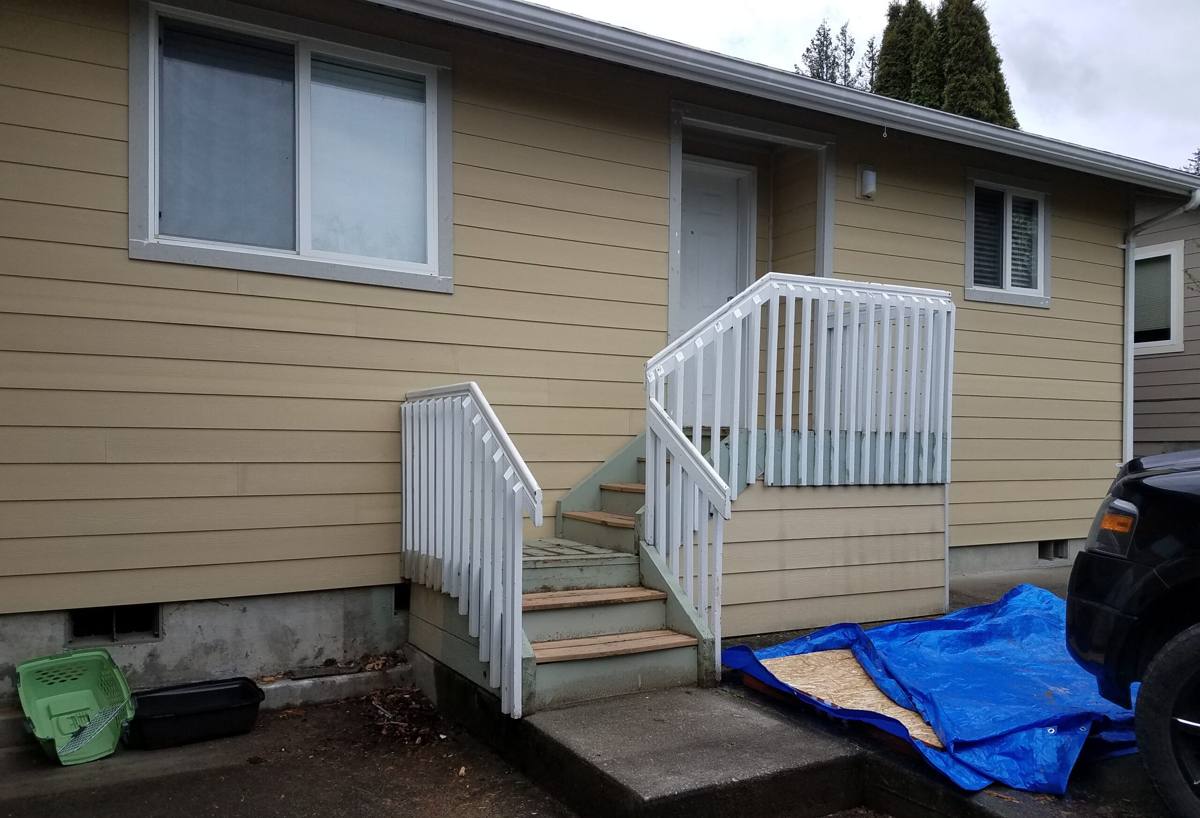
What Salt Air, Rain, and Moss Actually Do to Siding
Salt Air and Metal Fatigue
Airborne salt is corrosive to unprotected or lower-grade fasteners, flashing, and trim fittings. Over time it can pit metal, streak paint finishes, and accelerate the breakdown of caulking and sealants at joints. Siding materials and hardware that aren't rated for coastal-adjacent exposure age noticeably faster in a Cap Sante microclimate than they would ten or fifteen miles inland.
Moss and Trapped Moisture
Skagit County's wet season gives moss and algae a long window to take hold, especially on shaded north and east walls that don't get much drying sun. Moss itself isn't just cosmetic — it holds moisture against the siding surface for extended periods, which is exactly the condition that causes problems for moisture-sensitive materials underneath a failing or poorly maintained finish.
Wind-Driven Rain
Rain that comes in sideways off the water tests every horizontal joint, window trim intersection, and butt seam on a home's exterior. A siding system is only as good as its weakest flashing detail — if water gets behind the cladding at even one point, gravity and wind pressure will carry it further than most homeowners assume.
Why We Install Only James Hardie Fiber Cement in This Climate
We standardized on James Hardie fiber cement siding for every project we take on, including homes in Cap Sante, and we don't install vinyl, LP SmartSide, or other fiber cement brands. That's a deliberate professional standard, not a sales preference. Fiber cement is non-combustible, dimensionally stable in wet-dry cycling, and holds a factory-applied ColorPlus finish that's formulated to resist the fading and moisture intrusion that plague field-painted or lower-grade products in marine-adjacent climates.
James Hardie also engineers its HardieZone products by climate region rather than selling one formulation everywhere. That matters in a place like Anacortes, where salt exposure, humidity, and rainfall patterns differ from what a siding line designed for a dry inland climate is built to handle. Pairing the right HZ product with correct installation is what actually delivers the long service life homeowners are paying for — the product and the installation quality have to both be right, and neither one alone is enough.
What a Correct Fiber Cement Installation Involves
Weather-Resistive Barrier and Drainage Plane
Before a single piece of siding goes up, the wall needs a properly lapped weather-resistive barrier and, on most Cap Sante homes given the exposure, a drainage gap (rainscreen) behind the siding. That gap lets any moisture that does get past the cladding drain and dry out instead of sitting against the sheathing.
Flashing at Every Penetration
Windows, doors, hose bibs, vents, and light fixtures are all places where water looks for a way in. Correct flashing — installed in the right order, lapped the right direction — is what keeps wind-driven rain out at these points. This is the detail that separates a siding job that lasts decades from one that starts showing rot behind the trim in a few years.
Fastening and Clearances
Fiber cement needs to be fastened per manufacturer spec — correct fastener type, spacing, and embedment depth — and held with proper clearance from grade, roof lines, and horizontal surfaces like decks and patios. Too little clearance traps moisture against the bottom edge of the siding, which is one of the most common failure points we see on homes that weren't installed to spec.
Joint Treatment and the ColorPlus Finish
Butt joints, seams, and cut edges need to be treated correctly to protect the factory finish and keep water from wicking into the cut end of the board. Field-cut edges should be sealed per manufacturer guidance, and installers need to handle the ColorPlus coating carefully so the factory finish — the whole point of paying for it — isn't compromised during installation.
Comparing Siding Materials Against Cap Sante's Climate Demands
| Material | Salt Air / Moisture Behavior | Maintenance Burden | Fire Performance |
|---|---|---|---|
| James Hardie Fiber Cement | Dimensionally stable, factory finish resists moisture intrusion when installed correctly | Low — occasional washing, no repainting on the factory finish | Non-combustible |
| Vinyl Siding | Can warp or become brittle with UV and temperature cycling; seams are moisture entry points | Low, but limited repair options if damaged | Combustible, can deform under heat |
| LP SmartSide (Engineered Wood) | Wood-strand core is more moisture-sensitive; edge sealing is critical in wet climates | Moderate — edge and joint maintenance matters | Combustible |
| Cedar / Primed Spruce | Natural wood movement, higher susceptibility to moisture and moss retention without upkeep | High — regular refinishing and moisture monitoring | Combustible |
Our Process for Cap Sante Projects
Every siding job we bid in this area starts with an on-site look at the specific exposure the home is dealing with — which walls face the water and prevailing wind, where moss has already established itself, and where existing trim or flashing shows early signs of wear. From there:
- We assess the existing wall assembly, including sheathing condition and any moisture already trapped behind the current siding.
- We recommend the appropriate HardieZone product and profile for the home's exposure and architectural style.
- We install (or repair) the weather-resistive barrier and drainage plane before any siding goes up.
- We flash every window, door, and penetration to manufacturer spec, prioritizing the elevations that take the most wind-driven rain.
- We fasten, joint, and finish per James Hardie installation guidelines to keep the warranty intact and the finish protected.
- We walk the finished job with the homeowner and explain what routine maintenance actually looks like going forward.
Maintenance in a Marine Climate
Even the right siding product benefits from a little routine attention in an environment like this. Shaded and north-facing walls should be checked periodically for early moss growth and washed before it establishes a foothold — moss is far easier to remove when it's a light film than once it's gripped into a rough or damaged surface. Gutters and downspouts should stay clear so water isn't sheeting down the wall face during heavy rain, and it's worth a periodic look at caulking around windows and trim, since sealants are usually the first thing to show wear from salt air and UV exposure.
- Rinse siding (especially shaded, north-facing walls) periodically to prevent moss and algae buildup
- Keep gutters and downspouts clear so runoff doesn't sheet down the siding face
- Trim back vegetation and tree cover that keeps walls shaded and damp longer than necessary
- Inspect caulking at windows, doors, and trim joints for cracking or separation
- Watch clearance points at grade, decks, and roof lines for debris buildup that traps moisture
What to Look for When Hiring a Siding Contractor Here
Not every contractor who installs siding has real experience with the specific demands of a waterfront-adjacent Anacortes property. Before hiring anyone for a Cap Sante project, it's worth asking pointed questions:
- Do they have documented experience installing fiber cement siding in coastal or marine-exposed conditions, not just general siding work?
- Can they explain, specifically, how they'll handle flashing at windows, doors, and joints — not just that they "flash everything"?
- Do they install a drainage plane or rainscreen behind the siding on exposed elevations?
- Are they a certified or factory-trained installer for the specific product line they're proposing?
- Will the manufacturer's warranty stay intact based on how they plan to install the product?
Why Local Experience in Cap Sante Matters
A contractor who has actually worked on homes in this specific part of Anacortes knows which elevations take the worst of the wind and salt, where moss tends to establish first, and which detailing choices hold up versus which ones look fine for a year or two and then fail. That's the kind of judgment that doesn't come from a spec sheet — it comes from having stood on ladders on Cap Sante's hillside lots and seen what the climate actually does to a wall over time. It's also why we don't try to be a jack-of-all-siding-materials operation: sticking to one product system that's engineered for this region, installed the same correct way every time, is how a siding job actually earns its keep in this climate.
If you're planning a siding project on a Cap Sante home and want a straight answer about what your walls actually need, we're happy to take a look and put together a free, no-pressure estimate — no obligation, just an honest read on your home's exposure and what it would take to do the job right.