 Anacortes
 Building Decks for Cap Sante's Marine Climate
Cap Sante sits close enough to the water that salt air, wind-driven rain, and shade from mature evergreens are just part of daily life. That combination is hard on outdoor structures. A deck built with the same materials and methods you'd use inland won't hold up the same way here, and homeowners in this part of Anacortes usually find that out the hard way — soft boards, rusted hardware, or a slick, moss-covered surface within a few years of installation. A deck built correctly for this specific setting looks better longer and costs less to maintain over its life.
We build and repair decks throughout Anacortes and Skagit County, and Cap Sante's mix of waterfront exposure and tree cover is one of the more demanding combinations we see locally. That's not a reason to avoid a deck — it's a reason to build it right the first time.
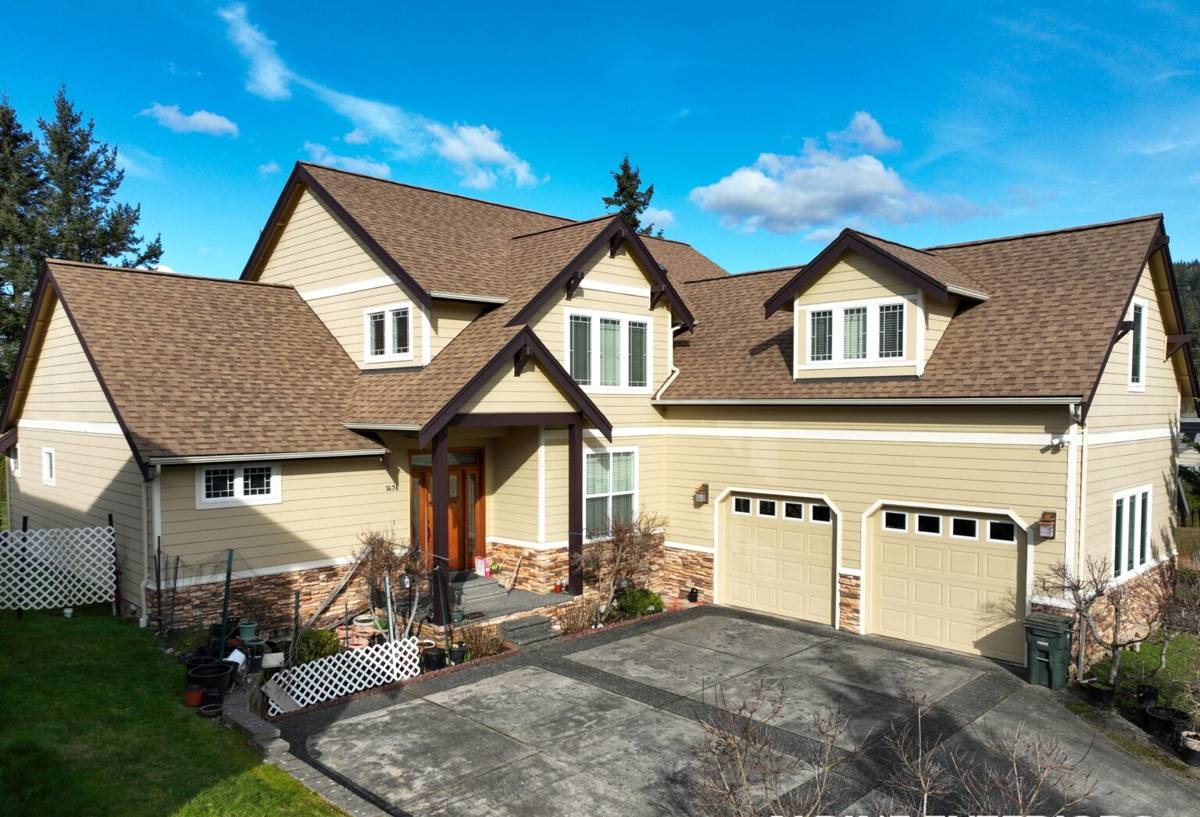
What the Cap Sante Climate Does to a Deck
Salt Air and Metal Fasteners
Proximity to Fidalgo Bay and the marina means airborne salt settles on every exterior surface, including your deck. Standard fasteners and connectors corrode faster in this environment, and corrosion doesn't announce itself — a screw head can look fine on the surface while losing strength underneath, near the framing where you can't see it. This is one of the most common causes of premature deck failure we find on older structures near the water.
Driving Rain and Trapped Moisture
Rain in this part of Washington doesn't always fall straight down. Wind off the water pushes it sideways, into ledger connections, under railings, and into any gap where end grain is exposed. Wood that stays wet longer than it can dry is where rot starts, almost always at joints and fastener points rather than in the open field of the decking.
Moss, Shade, and Slip Risk
Many Cap Sante lots have tree cover or sit close to neighboring structures, which means parts of a deck may get limited direct sun for much of the year. Combined with regular rain, that shade turns into a long moss and algae season — often nine months or more. Moss isn't just cosmetic; on a deck surface it creates a genuinely slippery condition, and on wood it holds moisture against the board, accelerating decay underneath the green film.
Choosing Materials That Actually Fit This Site
There's no single "best" decking material for every property — the right choice depends on your budget, how much upkeep you're willing to do, and how exposed your specific site is to sun, wind, and moisture. Here's how the common options compare for a Cap Sante lot specifically.
| Material | How it handles this climate | Maintenance |
|---|---|---|
| Pressure-treated wood | Affordable and structurally solid when detailed correctly, but end cuts and fastener holes need field-applied sealant or they become entry points for moisture | Annual cleaning and re-sealing every 2-3 years |
| Cedar | Naturally rot-resistant and handles the wet climate reasonably well, but shaded, salt-exposed areas will still gray and need attention faster than sunnier inland sites | Regular cleaning, periodic oil or stain |
| Composite decking | Resists rot and doesn't need sealing, but still needs cleaning where moss and algae take hold, and low-quality composites can trap moisture at fastener points | Periodic washing, minimal else |
| Fasteners and framing hardware | Stainless steel or heavy-duty coated connectors matter more here than material choice — this is where salt-air corrosion actually starts | Visual inspection yearly |
We'll talk through these trade-offs honestly during your estimate rather than steering you toward whatever's easiest for us to install. The right call depends on how much shade your site gets, how close you are to the water, and what kind of maintenance schedule you actually want to keep up with.
What a Correctly Built Deck Needs Here
Framing and Fasteners
For a Cap Sante deck, we use corrosion-resistant fasteners and connectors throughout the frame, not just on visible surfaces. Ledger boards — the connection point to the house — get proper flashing and sealing since that joint is the single most common source of hidden water damage on any deck in a rainy climate.
Drainage and Airflow Under the Deck
A deck that can't dry out between rain events is a deck that will rot from underneath, out of sight. We grade and detail the substructure so water has somewhere to go, and we leave enough airflow beneath the decking that boards can actually dry rather than staying damp for weeks at a stretch during the wet season.
Surface Texture for Slip Resistance
Given how long moss season runs here, surface texture matters as much as material. Some composite and wood finishes are noticeably more slip-resistant when wet than others, and that's worth discussing up front if your deck sits in a shaded or low-sun spot.
Railings and Structural Connections
Railing posts and structural connections take on a lot of wind load in an exposed location. We build these to current code requirements with hardware rated for the exposure, not just what happens to be on the shelf.
Our Process, Start to Finish
- On-site assessment. We look at sun exposure, tree cover, drainage, and proximity to the water to understand what your specific lot will demand of the deck.
- Design and material discussion. We walk through material trade-offs honestly, based on your budget and how much maintenance you want to take on.
- Permitting. Most new decks and many repairs require a permit through the City of Anacortes; we handle that process as part of the job.
- Framing and structural work. Ledger connections, footings, and framing are built with fasteners and flashing sized for this climate, not generic hardware.
- Decking, railing, and finish work. Surface installation, railings, and any stairs are completed and inspected for fit, drainage, and finish quality.
- Walkthrough. We go over care and maintenance specific to the material you chose so you know what to expect year to year.
New Build, Replacement, or Repair
Not every deck problem calls for a full rebuild. If your existing deck has isolated soft spots, a failing ledger connection, or corroded hardware but the overall structure is sound, targeted repair may be the right move. If the framing itself is compromised — which we see more often on older decks near the water that were never detailed for salt exposure — replacement is usually the more honest recommendation, since patching a failing frame just delays the same problem. We'll tell you which situation you're in during the assessment rather than defaulting to the more expensive option.
Cost Factors Specific to Cap Sante Sites
| Factor | Why it affects cost here |
|---|---|
| Distance from the house to grade | Taller decks need more substructure and often railings on more sides |
| Access to the site | Some Cap Sante lots have limited equipment access due to slope or tree placement, which affects labor time |
| Material choice | Composite costs more up front but less in long-term maintenance; wood is the reverse |
| Existing structure condition | Repair vs. full replacement changes scope significantly once framing is exposed |
| Ledger and flashing detail | Correct flashing at the house connection adds labor but is not optional in this climate |
What to Ask Before Hiring a Deck Contractor Here
- Do they use corrosion-resistant fasteners and connectors, and can they say why that matters for this specific location?
- Do they handle the City of Anacortes permitting process, or leave that to you?
- Will they explain material trade-offs honestly, including maintenance burden, rather than just upselling the most expensive option?
- Do they detail ledger flashing and under-deck drainage, or just focus on the visible surface?
- Can they point to other decks they've built in similarly exposed, shaded, or waterfront settings nearby?
A crew that regularly works Cap Sante and similar Anacortes waterfront neighborhoods has already seen how salt air, shade, and driving rain interact on a deck over several seasons — not just at installation. That experience shows up in the details you can't see once the job is finished: the fastener grade, the flashing behind the ledger, the drainage under the frame. Those are the details that determine whether a deck needs major repair in five years or holds up for decades.
Get an Estimate
If you're planning a new deck or need an honest look at one that's showing its age, we're happy to come take a look. The estimate is free, there's no pressure, and we'll give you a straight answer about what your specific site needs — just fill out the form below to get started.