 Anacortes
 Windows Built for What Bow's Weather Actually Does to a House
Bow sits in the part of Skagit County where the weather comes off Samish Bay and doesn't hold back. Homes here deal with a specific combination most inland properties never see: salt-laden air drifting off the water, long stretches of driving rain, and enough shade and moisture in the cooler months to grow moss on anything that holds still. Windows are one of the first places that combination shows up as a problem — corroded hardware, swollen sashes, fogged glass, and trim that's gone soft with rot.
A window that's a perfectly reasonable choice in a dry inland climate can struggle in Bow if it isn't installed with that environment in mind. This page covers what window installation looks like when it's done specifically for a Bow property — not a generic install, but one that accounts for the salt air, the rain load, and the moss season that comes with living this close to the water.
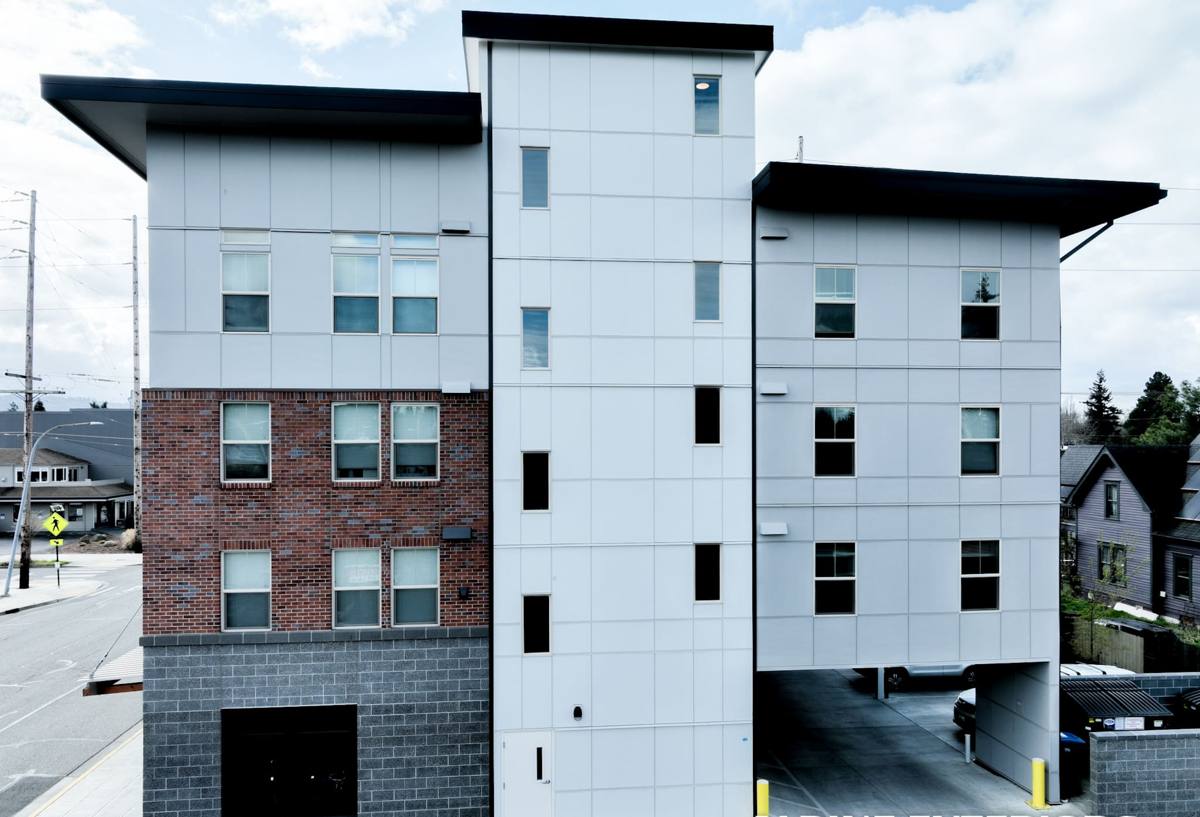
How Bow's Climate Wears Down Windows Over Time
It helps to understand the failure pattern before talking about the fix. In this part of Skagit County, window problems tend to show up in a predictable order:
- Hardware first. Salt air accelerates corrosion on hinges, locks, and cranks, especially on windows facing open water or prevailing wind.
- Seals and glazing next. Constant damp cycling — wet, dry, wet again — breaks down the seals on insulated glass units faster than a drier climate would, leading to fogging between the panes.
- Wood and trim after that. Shaded, north-facing, or tree-lined exposures hold moisture longer, which is exactly where moss and mildew take hold on sills and trim, and where wood rot starts if the flashing underneath isn't doing its job.
- Framing and sheathing last. If water has been getting behind the window rather than shedding off it, the damage eventually reaches the structural framing — the most expensive stage to fix and the one that's entirely preventable with a correct install.
Almost none of this is about the window unit itself failing on its own. Most premature window failure in this area traces back to how the window was flashed and sealed when it went in, not a defect in the product.
What a Correct Window Installation Actually Involves
It's Mostly About What You Can't See
A window installation is judged, fairly, by how it looks from the street. But the part that determines whether it lasts is the part that gets covered up: the flashing sequence, the moisture barrier integration, and the air seal. Get those wrong and even a top-tier window will leak, fog, and rot prematurely. Get them right and a mid-range window will comfortably outlast a poorly installed premium one.
The Non-Negotiables for a Bow Install
- Weather-resistive barrier lapped correctly so water sheds down and out, never behind the sheathing.
- Sill pan flashing under every window opening — this is the single most important detail for a climate with this much sideways rain, since it gives any water that does get past the window somewhere to go besides the wall cavity.
- Head flashing integrated with the barrier above the window, not just caulked as an afterthought.
- Continuous, gap-free backer rod and sealant at the exterior perimeter — sealant alone, without backer rod, fails faster and is a common shortcut on rushed jobs.
- Proper shimming and squaring so the sash operates freely for years instead of binding as the house settles.
- Interior air sealing with low-expansion foam or sealant, not just insulation stuffed in the gap.
Skip any one of these and the window can look fine for a year or two before problems start showing up inside the wall, where they're much harder and more expensive to catch early.
Choosing the Right Window for a Bow Property
There's no single "best" window — the right choice depends on the exposure, the age and construction of the house, and what the homeowner wants to maintain over time. For a property in Bow's climate, frame material and glazing package matter more than they would somewhere drier and more sheltered.
| Frame Material | How It Handles Salt Air & Rain | Maintenance |
|---|---|---|
| Vinyl | Won't corrode or rot; performs well in damp, salt-exposed settings | Low — occasional cleaning, no painting or sealing |
| Fiberglass | Very stable in temperature swings and moisture; strong long-term option for exposed sites | Low — durable finish, minimal upkeep |
| Aluminum-clad wood | Attractive and solid if detailed correctly, but the exterior cladding and interior wood both depend on flawless flashing to avoid trapped moisture | Moderate — interior wood may need periodic finish work |
| Bare wood | Classic look, but the most vulnerable to Bow's moisture cycle and moss growth without diligent upkeep | High — regular painting, sealing, and moss/mildew treatment |
We don't steer every Bow homeowner toward the same material — a well-detailed wood-clad window on a covered porch elevation can perform fine for decades. But on exposed, water-facing walls, we're honest that vinyl or fiberglass carries a lot less long-term maintenance burden in this climate, and we'll say so plainly rather than sell a homeowner a high-upkeep product without mentioning what it takes to keep it looking good here.
Glazing and Hardware Worth Asking About
Dual-pane, Low-E glass with an argon fill is the standard baseline for this climate — it cuts heat loss and helps control condensation on cold, damp mornings, which is a common complaint in older single-pane Bow homes. Stainless or corrosion-resistant hardware is worth the small upgrade cost on any window that takes direct salt-laden wind, since standard hardware is where corrosion shows up first.
Our Window Installation Process
- On-site assessment. We look at the existing window openings, check for hidden rot or water damage around the frames, and evaluate the exposure of each elevation before recommending anything.
- Product selection. We walk through frame material, glazing, and hardware options based on that specific wall's exposure — a north-facing shaded wall and a wind-exposed water-facing wall don't get the same recommendation by default.
- Removal and opening prep. Old windows come out carefully, and we inspect the sheathing and framing underneath for any moisture damage that needs to be addressed before a new window goes in — installing over a compromised opening just hides the problem.
- Flashing and moisture barrier work. Sill pan, barrier integration, and head flashing are installed to shed water regardless of what happens at the window itself.
- Window installation. The unit is set, shimmed, squared, and fastened per manufacturer specification so it operates correctly and keeps its warranty intact.
- Sealing, both sides. Exterior sealant with backer rod, interior low-expansion foam or sealant — sealed as a system, not just caulked shut.
- Trim and finish work. Interior and exterior trim is finished to match the home, and any exposed wood trim gets a finish suited to a damp, moss-prone climate.
- Final walkthrough. We check operation, seals, and finish with the homeowner before calling the job done.
Cost Factors for Window Installation in Bow
Every window job is priced around the specifics of the opening and the home, not a flat per-window number. The factors that actually move the price:
| Factor | Why It Affects Cost |
|---|---|
| Full-frame vs. insert replacement | Full-frame removal exposes and repairs the rough opening; insert replacement reuses the existing frame and is faster where that frame is sound |
| Hidden rot or water damage | Damaged sheathing or framing found during removal needs repair before the new window goes in — common on older Bow homes with aging flashing |
| Frame material and glazing package | Vinyl, fiberglass, and wood-clad options carry different material costs, and upgraded Low-E or impact-rated glass adds to that |
| Window size and configuration | Large picture windows, bays, and custom shapes cost more than standard single or double-hung units |
| Access and elevation | Second-story or hard-to-reach openings take more time and equipment than ground-level windows |
| Number of windows | Bundling multiple windows in one visit typically brings the per-window labor cost down |
Rather than quoting a number sight unseen, we walk the property, look at each opening, and give a written estimate based on what's actually there — including calling out any hidden damage we find before work starts, not after.
Maintaining Windows Through a Bow Winter and Moss Season
A properly installed window still benefits from a little seasonal attention in this climate. A short list that goes a long way:
- Rinse salt residue off frames and glass on water-facing elevations a few times a year, especially after windy weather.
- Clear moss and debris from sills, tracks, and weep holes before it holds moisture against the frame.
- Check that weep holes on the exterior sill are clear so any water that gets into the frame track can drain out.
- Lubricate hardware (hinges, cranks, locks) annually to keep corrosion from seizing moving parts.
- Inspect exterior caulking each fall before the rainy season sets in, and touch up anywhere it's cracked or pulled away.
- Watch for soft spots in exterior wood trim — caught early, it's a small repair; caught late, it's a bigger one.
Why Hire a Crew That Already Works in Bow
Window installation is one of those jobs where the difference between "fine" and "right" doesn't show up until a few winters later. A crew that already does this work throughout Skagit County has seen how Bow's specific exposure — the salt air off the bay, the driving rain, the shaded moss-prone spots — plays out on real houses over time, and builds the installation around that instead of applying a one-size-fits-all method. That shows up in the flashing details, the hardware recommendations, and the honesty about which products are worth the upgrade on a given wall and which aren't.
If you're weighing a window replacement or a full-house upgrade in Bow, we're happy to take a look and give you a straightforward, no-pressure estimate — just fill out the form below to get started.