 Anacortes
 Siding Built for Bow's Salt Air, Rain, and Moss
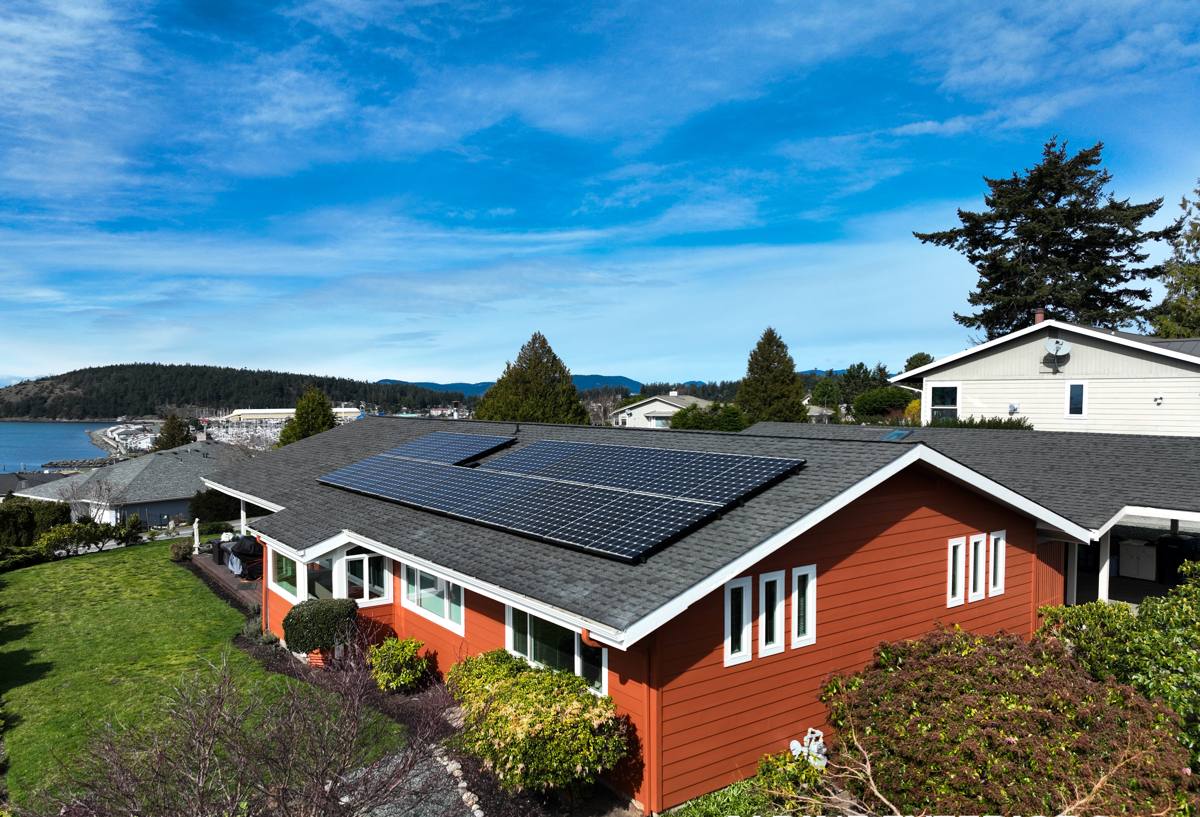
Bow sits in a stretch of Skagit County where farmland, timber, and saltwater all meet. Homes here range from older farmhouses on acreage to newer builds closer to the water, but almost all of them share the same exterior enemies: salt-laden air drifting in off the bay, driving rain that comes in sideways during winter storms, and a moss and mildew season that can stretch from October through May. Siding that isn't built for that combination breaks down faster here than it would twenty miles inland, and homeowners often don't notice until the damage is already behind the wall.
This page covers what siding replacement actually means for a Bow property — not a generic overview, but the specific conditions your siding has to survive, what a correct replacement job looks like, and why we only install one product system after years of watching what holds up in this climate and what doesn't.
What Bow's Climate Actually Does to Siding
Salt Air
Even a few miles from open water, airborne salt accelerates corrosion on fasteners, flashing, and any metal trim tied into your siding system. It also degrades certain paint and coating chemistries faster than manufacturers' standard weathering tests account for, which is why coastal Pacific Northwest homes tend to show chalking, fading, and edge deterioration years ahead of the same product installed inland.
Driving Rain
Skagit County storms don't just drop rain straight down — wind off the water pushes it sideways, forcing water up under laps, around trim, and into any gap in the weather barrier. Siding and flashing details that would be adequate in a calmer climate aren't enough here. Water management — house wrap, flashing, proper lap overlap, and correct fastening — matters as much as the siding material itself.
Moss and Mildew Season
Bow's tree cover, humidity, and long wet stretches create ideal conditions for moss, algae, and mildew to take hold on north-facing and shaded walls. Porous or absorbent siding materials hold moisture longer and give organic growth more to grip onto, which shows up as green-black staining and, eventually, softened or failing material underneath.
Signs Your Bow Home Needs Replacement, Not Just Repair
Not every siding problem calls for a full tear-off. But in a climate this demanding, waiting too long on the wrong symptoms turns a manageable repair into structural damage. Watch for:
- Soft, spongy, or crumbling spots when you press on the siding, especially near the bottom courses and around windows
- Persistent moss or black staining that returns within months of cleaning
- Visible warping, cupping, or separation at the seams and laps
- Paint that's peeling or bubbling in sheets rather than just fading
- Rising utility bills or noticeably drafty rooms, which can point to a failing weather barrier behind the siding
- Siding that's original to a home built more than 20-25 years ago, particularly wood, vinyl, or older composite products
If you're seeing more than one of these, it's worth a professional assessment before winter storms find the weak spots for you.
Why We Only Install James Hardie Fiber Cement
We get asked regularly why we don't offer vinyl, LP SmartSide, cedar, or other fiber cement brands. It's a fair question, and the honest answer is that we've standardized on one product because it performs best in exactly the conditions Bow deals with.
Vinyl siding is affordable and low-maintenance in mild climates, but it's a thin plastic material that expands, contracts, and can crack in temperature swings, and it doesn't hold up structurally the way fiber cement does. In a coastal wind and rain environment, vinyl's seams and lap system are more prone to water intrusion, and it can't be painted a dark color without risking warping from heat absorption.
LP SmartSide and other engineered wood products use treated wood strand technology that resists moisture better than raw lumber, but it's still wood-based. Any breach in the factory coating — a scratch, a poorly sealed cut edge, a fastener that backs out — gives moisture a path in, and wood-based products swell and rot from the inside once that happens. In a climate with this much sustained dampness, that's a real long-term risk.
Cedar and primed spruce look beautiful when new, but they're the highest-maintenance option by far — regular restaining or repainting, vulnerability to moss and rot, and a shorter realistic lifespan before major work is needed again.
James Hardie fiber cement is a cement, sand, and cellulose fiber composite. It doesn't absorb water the way wood does, it won't ignite or feed a fire the way vinyl or wood products can, and it holds paint and factory finishes far longer because the material itself is dimensionally stable. Hardie's ColorPlus finish is baked on at the factory under controlled conditions, which gives it better fade and chip resistance than field-applied paint. The company also engineers specific product lines for different climate zones — the HZ5 line used in the Pacific Northwest is formulated for regions with sustained moisture and freeze-thaw cycles, which describes Skagit County well. Backed by a strong transferable limited warranty, it's the product we're willing to put our name behind.
What a Correct Installation Involves Here
Fiber cement siding is only as good as the installation behind it. In a driving-rain, high-moisture climate like Bow's, a few details matter more than they would elsewhere:
Water Management First
Before a single piece of siding goes up, the weather-resistive barrier, flashing at windows and doors, and drainage plane behind the siding need to be correct. A rain-screen gap — a small air space between the siding and the wall — helps any moisture that does get behind the siding dry out instead of sitting against the sheathing.
Fastening and Clearances
Hardie siding needs to be fastened per manufacturer specification — correct nail type, spacing, and depth — and kept at proper clearance from grade, roof lines, and decks so water doesn't wick up into the bottom edge. This is one of the most common places we see prior installations cut corners, and it's usually where rot shows up first.
Caulking and Sealant Discipline
Every joint, seam, and penetration needs the right sealant, applied correctly, in a climate that gives it almost no chance to dry before the next rain. Over-reliance on caulk to compensate for poor flashing is a shortcut that fails within a few years here.
Trim and Corner Detailing
Corners, window trim, and transitions are where water intrusion most often starts. Correct detailing at these points is what separates a siding job that lasts two decades from one that needs attention in five years.
Our Process for a Bow Siding Replacement
- On-site assessment: We walk the whole exterior, check for hidden moisture damage, evaluate the current weather barrier, and look at drainage, grade, and roof-to-wall transitions specific to your property.
- Scope and estimate: You get a clear, written breakdown of what's being replaced, what products are used, and what it costs — no vague allowances.
- Tear-off and inspection: Old siding comes off and we inspect the sheathing underneath for rot or damage before anything new goes up. This step often reveals issues that weren't visible from outside.
- Weather barrier and flashing: House wrap, flashing, and rain-screen details are installed or corrected to current best practice, not just replicated from whatever was there before.
- Hardie installation: Siding, trim, and any accessories are installed to manufacturer spec, with attention to fastening, clearances, and joint treatment.
- Final walkthrough: We review the completed work with you, address any questions, and make sure the site is cleaned up before we leave.
What Siding Replacement Typically Costs
Every home is different, and the only way to get an accurate number is an on-site look — but these are the main factors that move the price for a Bow property:
| Cost Factor | Why It Matters |
|---|---|
| Home size and complexity | More square footage, dormers, and roof lines mean more material and labor time |
| Condition of the sheathing underneath | Hidden rot or water damage found during tear-off adds repair scope |
| Siding profile and trim package | Lap width, shingle-style accents, and trim detailing affect material and install time |
| Access and site conditions | Rural acreage, long driveways, or difficult staging areas can affect logistics |
| Current weather barrier condition | Whether the house wrap and flashing can be reused or need full replacement |
| Color and finish selection | Factory ColorPlus finishes versus field-painted options carry different costs |
Fiber cement siding costs more upfront than vinyl, but it's a longer-term investment — one that's meant to be installed once and hold up through decades of Skagit County weather rather than needing replacement again in 10-15 years.
Choosing a Contractor Who Actually Works in Bow
Bow's mix of rural properties, waterfront exposure, and older housing stock means the right contractor needs to understand more than just how to nail up siding. Before you hire anyone, it's worth checking:
- Washington State contractor license and current insurance, verifiable through the state's L&I lookup
- Manufacturer training or certification specific to fiber cement installation
- A written estimate that spells out materials, scope, and timeline — not a vague verbal number
- Familiarity with coastal Skagit County conditions, not just general siding experience
- A clear plan for tear-off, weather barrier work, and disposal — not just "install the new siding over the old"
- Willingness to walk the property with you and explain what they find before starting work
A crew that already works in and around Bow has usually seen how the local combination of salt exposure, wind-driven rain, and shaded, moss-prone walls plays out on real homes — which shows up in fewer surprises and fewer callbacks down the road.
Caring for Your Siding After Installation
James Hardie siding is low-maintenance compared to wood or vinyl, but "low-maintenance" doesn't mean "no maintenance" — especially in this climate. A periodic rinse to keep moss and organic growth from taking hold, a visual check of caulking and trim joints once a year, and prompt attention to any landscaping that's grown up against the wall will help your new siding hit its full service life.
If your Bow home's siding is showing its age or you're just planning ahead, we're happy to come take a look. The estimate is free, there's no pressure, and you'll get a straight answer about what your home actually needs — use the form below to get started.