 Anacortes
 Deck Building for Bow Homes
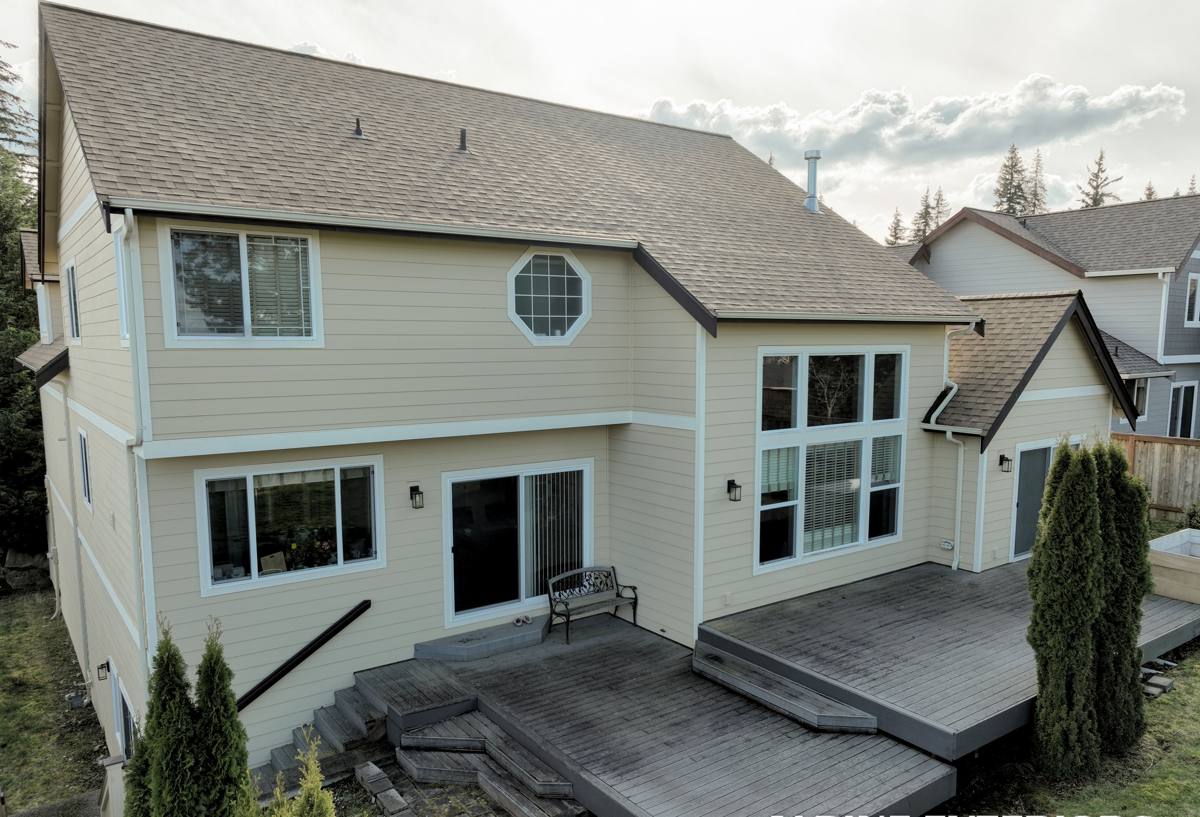
Bow sits along the water side of Skagit County, close enough to the coastline that salt air, wind-driven rain, and heavy shade are just part of owning a home here. A deck built for a dry inland climate does not hold up the same way in Bow. We build decks specifically for this stretch of coastal Skagit County, and that shapes almost every decision we make on a project here — from the fasteners we choose to how we frame for drainage.
This page covers what a Bow deck actually needs, what a correct build looks like from the ground up, and how our process works when we take on a project in this area.
What Bow's Climate Does to a Deck
Three things wear on decks in this part of Anacortes and the surrounding Skagit County shoreline more than almost anywhere else in Washington:
- Salt air — even a few miles inland, salt-laden air corrodes untreated or poorly coated fasteners, hinges, and hardware faster than a typical Puget Sound suburb. Standard hardware store screws will rust and stain the decking around them within a couple of seasons.
- Driving rain — Bow gets weather that comes in sideways off the water, not just straight down. That means end grain, ledger connections, and vertical surfaces get soaked in ways a purely "rain falls down" design doesn't account for.
- Moss and algae season — long, damp, low-sun stretches from fall through spring let moss and algae establish on any surface that stays wet and shaded, especially under tree cover or on the north side of a house. Moss holds moisture against wood and turns decking surfaces slick and dangerous.
None of this means a deck in Bow is a bad idea — it just means the build has to plan for these conditions instead of ignoring them.
Where the Damage Actually Shows Up
On decks we've inspected in this area, the failure points are consistent: ledger board connections to the house, joist ends that were cut and never resealed, fastener heads that were never rated for coastal exposure, and any spot where two boards meet without a gap for water and debris to clear. Moss buildup on the walking surface and in the gaps between boards is the most common complaint we hear from Bow homeowners, and it's almost always a drainage and material problem, not a cleaning problem.
What a Correct Deck Build Involves Here
Framing and Structure
The framing is where long-term performance is decided, and it's the part a homeowner can't see once the decking goes down. For Bow projects we use hardware and fasteners rated for coastal or wet-climate exposure — not just standard exterior-rated hardware, but connectors and screws that hold up against the added salt exposure this area sees. Ledger flashing gets extra attention, since a poorly flashed ledger is the single most common source of hidden rot on older decks in this region.
Joist spacing and beam sizing follow the same structural rules anywhere in Washington, but we also grade the frame for drainage — a slight, deliberate slope away from the house so water doesn't pool against the ledger or under low spots in the decking.
Decking Material
Material choice matters more here than in a drier part of the state, because whatever you choose has to deal with prolonged dampness and shade, not just occasional rain.
| Material | How it handles Bow's climate | Maintenance reality |
|---|---|---|
| Pressure-treated wood | Handles moisture well when properly sealed; needs re-sealing more often in salt air and shade than inland | Annual cleaning and periodic re-staining or sealing |
| Cedar | Naturally rot- and insect-resistant, ages to a grey patina; still needs sealing to resist moss in shaded, damp spots | Moderate — cleaning plus occasional oil or sealant |
| Composite decking | Resists rot and doesn't need sealing, but can still grow surface moss/algae in constant shade without airflow | Low — periodic washing, no staining or sealing |
| Untreated or low-grade lumber | Poor fit for this climate — moisture and salt exposure shorten its usable life significantly | High — frequent repair and replacement |
We don't push one material on every job. A shaded, tree-covered lot near the water calls for a different recommendation than an open, sunnier spot even a short distance away. We'll walk your specific site with you and explain the honest trade-offs — cost, appearance, and how much upkeep you're actually willing to do — before you decide.
Fasteners and Hardware
This is a detail that gets skipped by crews who don't regularly work this stretch of coastline. Standard zinc-coated screws and brackets corrode faster in Bow's air than the manufacturer's general rating suggests. We use stainless or coastal-rated hardware on connections that matter structurally, and we account for the extra cost in the estimate up front rather than surprising you later.
Airflow and Moss Prevention
Moss needs shade, moisture, and still air to take hold. A well-built deck fights all three: proper gapping between boards for drainage and airflow, framing height that keeps air moving underneath rather than trapping ground moisture against the joists, and, where the site allows it, orientation and rail choices that don't wall off every bit of natural airflow. We can't change how much shade your lot gets, but we can build so the deck sheds water and dries out between storms instead of staying damp.
Common Problems We See on Bow Decks
- Rusted or rust-staining fasteners that were never rated for coastal exposure
- Soft or rotting joists near the ledger where flashing was missing or failed
- Persistent moss and slick surfaces on shaded sections of decking
- Boards installed tight together with no drainage gap, trapping water and debris
- Railings and posts loosening from moisture intrusion at the base connections
Most of these are preventable with the right build details — they're rarely the fault of the homeowner, just the result of a deck that was framed the same way it would be anywhere else in the state.
Our Process for a Bow Deck Project
- On-site assessment — we look at sun exposure, shade patterns, proximity to water, existing structure (if this is a replacement or repair), and drainage around the house.
- Material and design conversation — we go over decking, hardware, and railing options with honest pros and cons for your specific spot, not a one-size answer.
- Written estimate — clear scope, materials, and price before any work starts.
- Build — framing first, with attention to ledger flashing, hardware grade, and drainage slope, followed by decking and railing installation.
- Walkthrough — we go over the finished deck with you, including what maintenance it will realistically need given your site's shade and exposure.
New Decks vs. Repair and Replacement
Not every project in Bow is a full new build. We also handle repairs and full replacements on existing decks, and the right call depends on the condition of the framing underneath the decking boards. Surface-level moss and worn boards can often be addressed with a resurface if the frame is sound. Rot at the ledger or joists usually means a full rebuild is the more honest recommendation, even if it costs more up front, because patching over structural rot doesn't hold up through another wet season.
Signs You Need More Than a Surface Fix
- Soft or spongy spots when you walk the deck
- Visible gaps or rust streaks at the ledger connection
- Railings that wiggle at the base, not just at the top
- Consistent moss regrowth within weeks of cleaning
Why Local Experience with Bow Conditions Matters
A deck built by a crew that hasn't worked this specific stretch of Skagit County coastline will often use general Pacific Northwest specs — good hardware, standard flashing, typical decking. That's usually fine an hour inland. In Bow, "usually fine" hardware corrodes early, "standard" flashing details miss the sideways rain, and a deck plan that doesn't account for the shade and moss cycle here needs re-cleaning within the first year. We work this area regularly enough to build for what actually happens to a deck through a full Bow winter, not just what happens on paper.
If you're planning a new deck or need to figure out whether an existing one needs repair or replacement, we're happy to take a look and give you a straight answer — including if the honest answer is that a repair will hold up fine and you don't need a full rebuild. Reach out for a free, no-pressure estimate using the form below.