 Anacortes
 What Burlington Roofs Deal With Every Year
Burlington sits in Skagit County, close enough to Anacortes and the Salish Sea that roofs here take on a mix of coastal and valley weather. Salt-laden air moves in off the water and settles on shingles, flashing, and fasteners. Driving rain arrives sideways during winter storms, testing every seam and lap in a roof system rather than just the open field of shingles. And because this part of Washington stays cool and damp for months at a stretch, moss and algae get a long runway to take hold on north-facing slopes and shaded valleys. None of this makes asphalt shingle roofing a poor choice for the area — it just means the installation details matter more here than they would in a drier, milder climate.
A roof that would perform fine in a dry inland climate can fail early in Skagit County if it's missing the right underlayment, ventilation, or flashing work. Most of the roofing problems we get called out for in Burlington trace back to shortcuts taken during the original install, not to the shingles themselves.
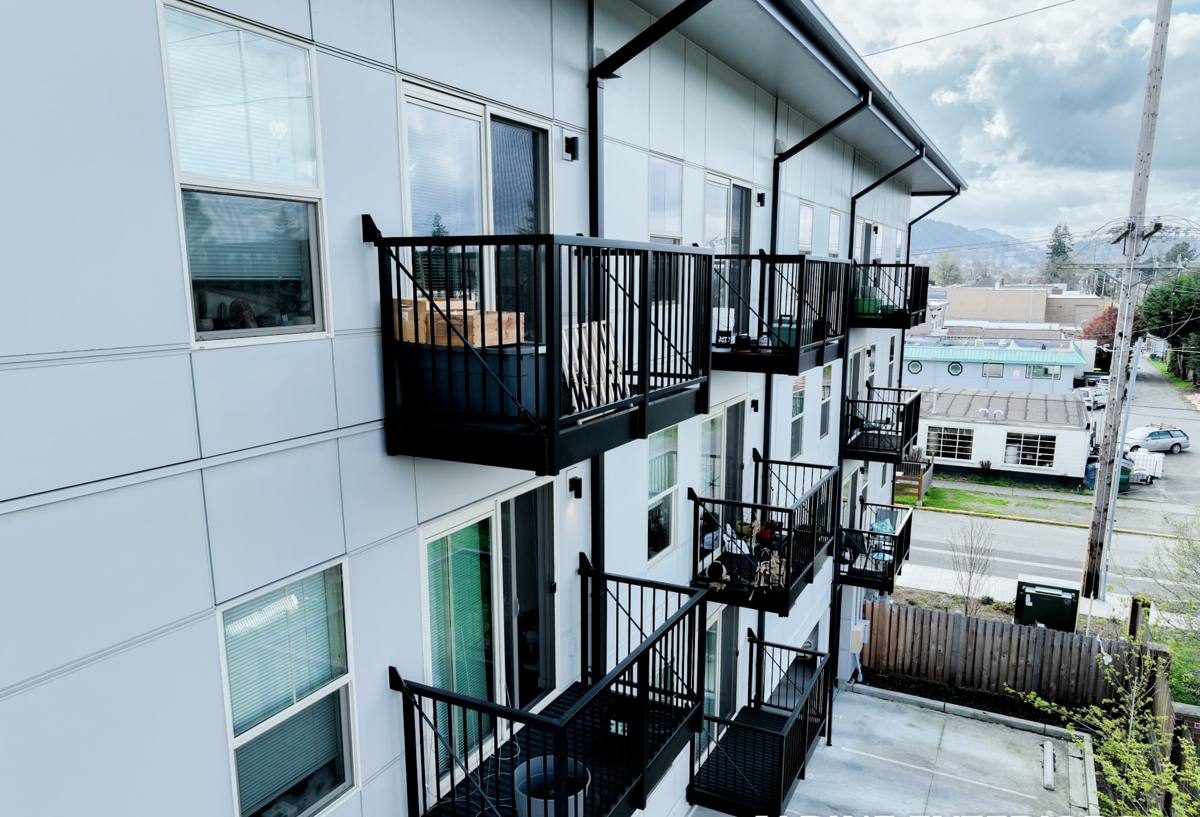
Why Asphalt Shingles Still Make Sense Here
Asphalt shingles remain the most common roofing material in this region for good reason. They're a proven, well-understood product with a wide range of price points, they're easier to repair in sections than metal or tile, and manufacturers have spent decades refining formulations for algae resistance and wind performance in wet coastal climates. For most single-family homes in Burlington, a properly installed asphalt shingle roof offers the best balance of upfront cost, expected service life, and long-term maintenance.
That said, "asphalt shingles" covers a range of products with real differences in thickness, wind rating, and algae resistance. Choosing the right shingle line for a specific roof — its pitch, its exposure to weather, the trees around it — is as important as the installation work itself.
What a Correct Installation Actually Involves
Tear-Off and Deck Inspection
We remove the old roofing down to the deck rather than layering over it. That lets us inspect the sheathing for soft spots, delamination, or rot — common where a prior roof let moisture in around a valley, vent, or chimney. Any damaged decking gets replaced before anything new goes down. Roofing over a compromised deck just hides a structural problem under a new surface.
Underlayment and Ice-and-Water Barrier
Given how much rain this area sees, underlayment choice matters. We use self-adhered ice-and-water barrier at eaves, valleys, and around penetrations — the spots most likely to see wind-driven rain force its way under shingles — backed by synthetic underlayment across the rest of the field. This is the layer that protects the deck if a shingle ever gets damaged or lifted in a windstorm.
Ventilation
A roof needs balanced intake and exhaust ventilation to manage heat and moisture in the attic. Skip this and you get condensation buildup in winter, premature shingle aging in summer, and in some cases moisture damage that has nothing to do with an actual leak. We check existing ventilation on every reroof and correct it when it's inadequate, rather than just matching what was there before.
Flashing Details
Step flashing at walls, counterflashing at chimneys, and properly formed valley flashing are what actually stop water — the shingles are the first line of defense, but flashing handles the transitions where two roof planes meet or a roof meets a vertical wall. Reused or improperly lapped flashing is one of the most common causes of the leaks we're called out to fix on roofs that are otherwise still in good shape.
Shingle Installation and Nailing Pattern
Manufacturer nailing patterns exist for a reason, especially for wind resistance. We follow the specified nail count and placement for the shingle line being installed rather than a generic pattern, which matters for warranty coverage as much as performance during a winter storm.
Choosing the Right Shingle for This Climate
Not every asphalt shingle product is built the same way, and the right choice depends on the roof's exposure and the homeowner's priorities.
| Shingle Type | Typical Wind Rating | Algae Resistance | Best Fit |
|---|---|---|---|
| 3-tab | Lower | Varies by product | Budget-conscious reroofs, simple roof lines |
| Architectural (laminate) | Higher | Generally available with algae-resistant granules | Most Burlington homes; better wind and moisture performance |
| Impact-resistant | Higher | Generally available with algae-resistant granules | Homes wanting extra durability against debris and hail |
For most homes in this area, we recommend architectural shingles with algae-resistant granules. They cost more upfront than 3-tab shingles but hold up better against wind and moss growth, which matters more here than in drier parts of the state.
Moss, Algae, and Salt Air After Installation
A good installation reduces future problems, but Skagit County's climate means ongoing maintenance still matters. Moss doesn't just sit on top of shingles — its roots work under the granule surface and hold moisture against the shingle, which shortens the roof's life if left unaddressed. Algae streaking is mostly cosmetic but can be minimized with algae-resistant shingle lines. Salt air accelerates corrosion on exposed metal fasteners and flashing over time, which is part of why we use corrosion-resistant fasteners and quality flashing metal rather than the cheapest available option.
We recommend a simple annual check: clear debris from valleys and gutters before the wet season, look for moss starting on shaded slopes, and address it early with gentle removal methods rather than pressure washing, which can strip protective granules off the shingle surface.
Our Process, Start to Finish
- Free on-site inspection and estimate, including a look at the attic for ventilation and moisture issues
- Written scope covering tear-off, decking, underlayment, flashing, and shingle selection — no vague line items
- Scheduling that accounts for the local weather window, since asphalt shingle installation needs a reasonably dry stretch
- Tear-off, deck inspection and repair, underlayment, flashing, and shingle installation
- Site cleanup, including a magnetic sweep for stray nails
- Final walk-through so the homeowner can see the completed work and ask questions before we consider the job done
Warning Signs Worth Acting On
Roof problems in this climate often show up gradually. Homeowners in Burlington should watch for:
- Granules collecting in gutters or at downspout outlets
- Shingles that look curled, cracked, or lifted at the edges
- Moss or dark streaking spreading across a slope, especially on north-facing sections
- Daylight visible through the attic roof deck
- Water stains on interior ceilings, particularly near chimneys, skylights, or valleys
- Sagging in any part of the roofline
- Missing or damaged flashing around vents, chimneys, or where the roof meets a wall
Catching these early usually means a repair. Waiting on them usually means a larger repair, or a full reroof sooner than the shingles' rated lifespan would suggest.
What Affects the Cost of a Reroof
Every roof is different, and we won't quote a number without seeing the roof, but the main cost drivers are consistent across most jobs.
| Factor | Why It Matters |
|---|---|
| Roof size and pitch | More surface area and steeper slopes take more material and labor time |
| Number of layers to remove | Tearing off multiple old roofing layers adds labor and disposal cost |
| Deck condition | Rotted or soft sheathing needs replacement before new roofing goes down |
| Roof complexity | Valleys, dormers, skylights, and chimneys all add flashing and labor time |
| Shingle line selected | 3-tab, architectural, and impact-resistant products carry different material costs |
| Ventilation upgrades | Adding or correcting intake and exhaust vents is worth doing during a reroof |
We'd rather walk a homeowner through these factors on-site than throw out a broad price range that doesn't reflect the actual roof.
Why Local Experience in Burlington Matters
A crew that already works regularly in Burlington and the surrounding Skagit County area knows what this climate does to a roof over time — not just in theory, but from repairs and reroofs we've actually done nearby. That shows up in the underlayment and flashing choices we default to, the ventilation corrections we look for automatically, and the shingle lines we steer homeowners toward for algae resistance. It also means we're familiar with the permitting expectations in this area and can plan installation timing around the wetter stretches of the year rather than fighting the weather mid-project.
If your roof is showing its age, or you just want an honest opinion on whether repair or replacement makes more sense, we're glad to take a look. Reach out for a free, no-pressure estimate using the form below — we'll walk the roof, explain what we find, and give you a clear picture of your options.