 Anacortes
 Window Replacement Built for Sedro-Woolley's Weather
Sedro-Woolley sits inland along the Skagit River, but it still lives under the same marine-influenced weather system that soaks the whole county. The driving rain that rolls in off the Salish Sea doesn't stop at the Anacortes city limits, and the damp, low-sun stretches of fall and winter settle into the Skagit Valley just as thoroughly. Add a long moss season and the humidity that comes with river-bottom terrain, and you have a climate that is genuinely hard on window seals, sills, and frames over time.
Windows here don't fail because homeowners neglect them. They fail because most windows sold nationally are engineered for drier climates and installed with generic flashing details that were never meant to handle months of sustained wet weather. When we replace windows in Sedro-Woolley, we're not just swapping glass — we're addressing how water moves around a window opening in this specific climate, year after year.
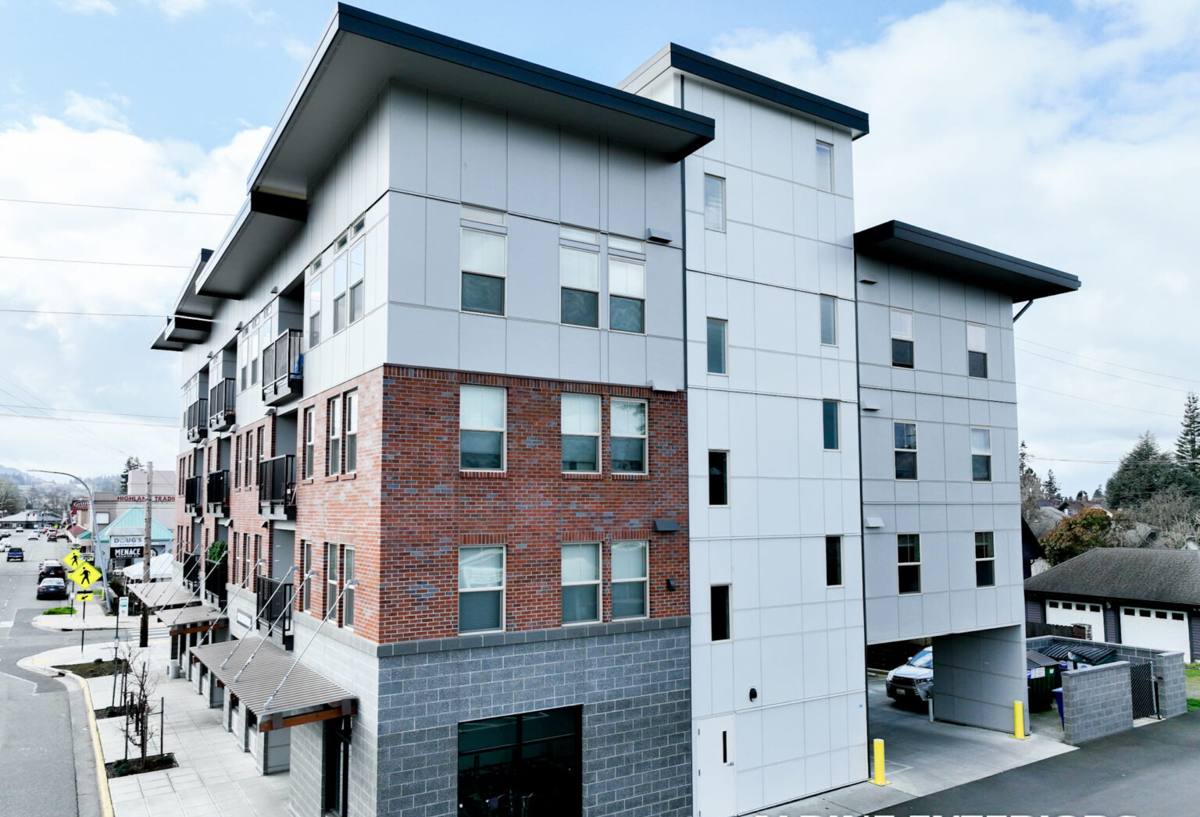
Signs a Sedro-Woolley Home Needs New Windows
Some warning signs are obvious. Others show up slowly enough that homeowners get used to them before realizing they're a problem. Watch for:
- Fogging or a permanent haze between double-pane glass — the seal has failed and the gas fill is gone
- Soft, spongy, or dark-stained wood at the sill or lower corners of the frame
- Visible daylight or a cold draft along the frame edge when the window is latched shut
- Paint that keeps peeling or bubbling on the interior trim near the window, even after repainting
- Windows that are difficult to open, close, or lock — frames can swell and warp with repeated moisture cycling
- A noticeable rise in heating costs with no other explanation
- Moss or dark streaking on the exterior trim directly above or beside the window
Any one of these on its own might just need a repair. Several together, especially combined with visible rot, usually means the window and the surrounding wall assembly need a real look before more moisture gets behind the siding.
What a Correct Window Replacement Job Actually Involves
It's Not Just the Window
A window is only as good as the opening it sits in. Full-frame replacement means removing the old unit down to the rough opening, inspecting the framing and sheathing for hidden rot, and rebuilding the water management system before the new window ever goes in. In a climate that gets as much sustained rain as ours, skipping this step is how new windows end up leaking within a few winters.
Flashing and Drainage
Proper flashing directs water that gets past the window trim back out and away from the wall, rather than letting it pool at the sill or wick into the framing. This includes sill pans, house wrap integration, and correctly lapped flashing tape at the head and jambs — done in the right order so water always sheds downward and outward, never into the wall cavity.
Air Sealing and Insulation
Gaps between the window frame and the rough opening need to be sealed with a low-expansion foam or backer rod and sealant, not packed with fiberglass insulation alone, which does nothing to stop air infiltration. This is one of the most commonly rushed steps in window installation, and it's a big part of why some replacement windows never perform the way they should.
Choosing Materials for the Skagit Valley Climate
There's no single "best" window material — the right choice depends on your home's exposure, your budget, and how much upkeep you want to take on. Here's how the common options compare for a wet, moss-prone climate like ours:
| Material | Moisture Performance | Maintenance | Typical Lifespan |
|---|---|---|---|
| Vinyl | Excellent — won't rot, rust, or absorb water | Low — occasional cleaning | 20–30+ years |
| Fiberglass | Excellent — very stable in wet/dry cycling | Low | 30–40+ years |
| Wood-clad | Good on the exterior clad side; interior wood needs protection from condensation | Moderate to high | 20–30 years with upkeep |
| Solid wood | Poor to fair in this climate without diligent maintenance | High — regular painting/sealing | Varies widely with care |
| Aluminum | Fair — prone to condensation and thermal transfer | Low | 20–30 years |
We install what fits the home and the homeowner's goals, but for most Sedro-Woolley projects we steer people toward vinyl or fiberglass for the field windows because they simply don't have a moisture failure mode the way bare wood does. Where a homeowner wants the look of real wood on the interior, wood-clad units give that appearance while keeping a weather-resistant exterior shell. We'll walk through the honest trade-offs — not just push one brand — because the right answer really does vary by house.
Our Window Replacement Process
- On-site assessment — we look at every window being replaced, check for hidden rot or drainage problems around the opening, and measure precisely
- Product selection — we go over material, glass package, and style options based on your home's exposure and your budget, no pressure toward the most expensive option
- Written estimate — a clear scope and price before any work begins
- Removal and inspection — old windows come out, and we inspect the framing before closing anything back up, flagging any rot repair that's needed
- Flashing and installation — new sill pans, flashing, and air sealing done in the correct sequence, then the window is set, shimmed, and secured
- Interior and exterior finish — trim, caulking, and touch-up work so the finished opening looks right from both sides
- Final walkthrough — every window is opened, closed, and checked with you before we consider the job done
What Affects the Cost
Window replacement pricing varies quite a bit from house to house. The main factors we weigh in an estimate:
| Factor | Why It Matters |
|---|---|
| Number and size of windows | Larger openings and specialty shapes cost more in materials and labor |
| Material (vinyl, fiberglass, wood-clad) | Upfront cost and long-term maintenance both shift with material choice |
| Glass package | Double vs. triple pane, low-E coatings, and gas fills affect price and energy performance |
| Condition of the existing opening | Hidden rot or framing damage adds repair work most homeowners can't see until demo |
| Story height and access | Second-story and hard-to-access windows take more time and equipment |
| Trim and finish detail | Custom interior trim or exterior detailing adds labor beyond a standard install |
We give a firm written price after seeing the actual windows and openings — not a phone-quote guess — because the condition behind the old trim can change the scope more than the window brand does.
Why Hiring a Crew That Already Works in Sedro-Woolley Matters
A window installer who mostly works in drier inland climates will make different assumptions about flashing, sealant selection, and drying time than one who works Skagit County week in and week out. We know what a wet spring install schedule looks like, how long caulk and sealant actually need to cure between rain events here, and what rot patterns tend to show up in homes of different ages around the valley. That familiarity shows up in fewer callbacks and windows that hold up through their first several wet seasons, not just the first summer.
It also matters for scheduling honesty. We won't set sealant in a downpour or promise a same-week install during the wettest stretch of the year if the weather won't allow it to be done right. A crew that's used to working around this region's rain patterns builds that reality into the plan instead of rushing a step that needs dry conditions.
Caring for New Windows in a Wet Climate
New windows are a long-term investment, and a little seasonal attention keeps them performing well:
- Rinse moss and organic buildup off exterior sills and trim before it holds moisture against the frame
- Check exterior caulking annually, especially after the first full winter, and touch up any cracks
- Keep gutters and downspouts clear so water isn't sheeting down past window heads
- Wipe down interior sills during cold snaps if you notice condensation buildup
- Test locks and operation each season — swelling or sticking early on is easier to address before it becomes a seal problem
Get a Straight Answer for Your Home
Every Sedro-Woolley home handles moisture a little differently depending on its age, orientation, and how the original windows were installed. Rather than guessing over the phone, we'd rather take a look, give you an honest read on what your windows actually need, and provide a clear, no-pressure estimate. Fill out the form below and we'll get in touch to schedule a free assessment.