 Anacortes
 Roof Repair Built for Old Town Anacortes
Old Town Anacortes sits close to the water, on some of the oldest housing stock in the city. That combination — age and exposure — means the roofs here take on problems that newer subdivisions further inland simply don't deal with as often. Salt-laden air off the water accelerates corrosion on metal flashing and fasteners. Driving rain off Rosario Strait and Guemes Channel finds every weak seam. And the long, wet Pacific Northwest moss season packs onto north-facing slopes and shaded roof planes for months at a stretch. A roof repair here isn't just "patch the leak and go" — it has to account for all three.
This page covers what roof repair actually looks like for homes in this neighborhood: what tends to go wrong, what a correct repair involves, how we approach the work, and why local experience on these specific streets and these specific roof types matters more than it might seem.
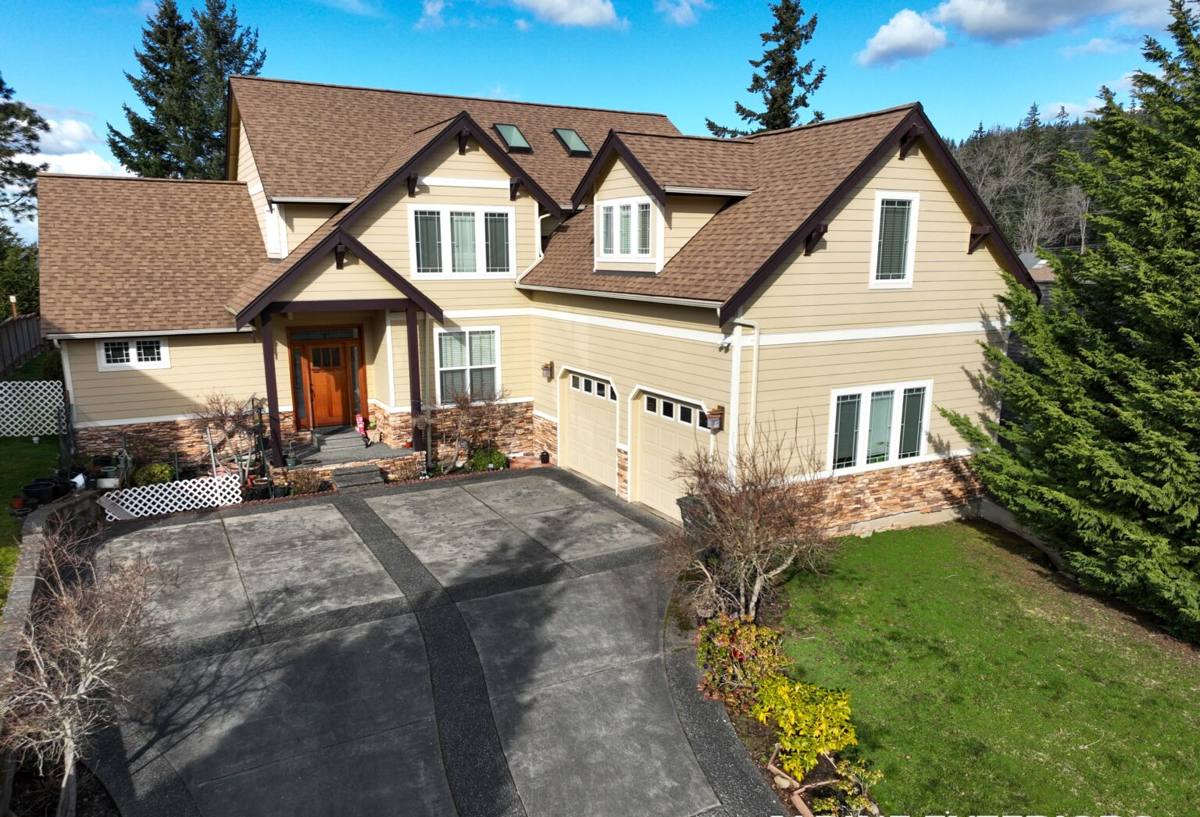
Why Old Town Anacortes Roofs Wear Differently
Salt Air and Metal Fatigue
Anacortes' marine location means airborne salt is a constant, low-level presence, even blocks back from the water. Salt accelerates corrosion on anything metal on a roof — nail heads, flashing, gutter fasteners, vent boots with metal collars. On older homes in Old Town, we routinely find flashing that's rusted through years before the shingles around it are actually worn out. That's a repair problem, not a full-roof problem, but only if it's caught before the corrosion opens a path for water.
Driving Rain and Wind-Driven Water
Skagit County storms off the Strait don't always come straight down. Wind-driven rain gets pushed sideways under shingle tabs, around chimney flashing, and into any gap where a roof plane meets a wall or dormer. On older homes with original or aging flashing details, these are the spots that fail first — long before the field of the roof shows any wear.
The Long Moss Season
Old Town's tree cover and shaded lots keep roof surfaces damp for much of the year. Moss and algae take hold on north- and east-facing slopes especially, and once established, moss holds moisture against the roofing material around the clock. On composition shingle roofs that means accelerated granule loss. On cedar, it means rot. Left unaddressed, moss doesn't just look bad — it's actively shortening the life of the roof underneath it.
Common Roof Types in This Neighborhood
Old Town Anacortes has a mix of housing ages and styles, and the roofing reflects that. We see a lot of composition (asphalt) shingle roofs, a fair number of older cedar shake or shingle roofs on the historic homes, and metal roofing on both older standing-seam installs and newer accent roofs. Each has different repair considerations:
| Roof Type | Typical Failure Points | Repair Considerations |
|---|---|---|
| Composition shingle | Granule loss, cracked/curling tabs, nail pops, worn flashing | Matching shingle color/style if the roof is older; spot-replacing without leaving a patchwork look |
| Cedar shake/shingle | Rot from sustained moss contact, split shakes, deteriorated underlayment | Sourcing matching cedar; addressing the moisture source, not just the symptom |
| Metal (standing seam or panel) | Fastener corrosion, sealant failure at seams and penetrations, panel fatigue | Correct fastener material to avoid galvanic corrosion; proper seam sealant, not generic caulk |
Signs a Repair Is Needed
Most roof repairs get called in after a leak shows up inside the house — a ceiling stain, a damp spot in the attic, water at a light fixture. By the time you can see it indoors, the roof has usually been letting water in for a while. Catching problems earlier saves money and avoids interior damage. Watch for:
- Shingles that are cracked, curling at the edges, or missing outright, especially after a windstorm
- Granules collecting in gutters or at downspout outlets — a sign the shingle surface is wearing down
- Visible moss or algae buildup, particularly on shaded or north-facing slopes
- Rust streaking below metal flashing or vent boots
- Soft or spongy spots when walking the roof (a sign of underlying rot)
- Daylight visible through the roof deck from inside the attic
- Sagging along a ridge line or roof edge
- Gutters pulling away from the fascia, which lets water run down the wall instead of off the roof
What a Correct Roof Repair Actually Involves
A roof repair that's done right starts with figuring out where the water is actually getting in — which isn't always where the stain shows up inside. Water can travel along rafters or sheathing for several feet before it drips somewhere visible. That means a real inspection, not a guess from the ground.
Diagnosis First
We get on the roof (weather permitting) and check the field of the roofing material, all flashing points — chimneys, skylights, wall intersections, vent boots — and the attic from inside where accessible. Flashing failures and penetration leaks are the most common culprits on Old Town roofs, more often than the shingles themselves.
Matching Materials, Not Just Covering the Hole
On an older roof, especially cedar, finding shingles or shakes that match the existing material in color, thickness, and exposure matters. A poorly matched patch stands out and can also behave differently in weather than the surrounding material, creating a new weak point. We source material that fits the existing roof rather than whatever's easiest to grab.
Flashing and Fasteners That Fit the Climate
Given the salt air here, we use flashing and fasteners rated for coastal exposure where the original material has already shown corrosion. Replacing corroded steel with the same steel just restarts the same clock. Where it makes sense, we upgrade to corrosion-resistant material during the repair.
Addressing the Moisture Source, Not Just the Symptom
If moss or algae contributed to the failure, we clean it off properly (never pressure-washed aggressively enough to strip granules or damage shakes) and talk through options to slow regrowth, since a repair done without addressing the moss just fails again on the same schedule.
Our Repair Process
- Assessment. On-roof inspection plus attic check where accessible, so we're diagnosing the actual leak path, not just the visible symptom.
- Honest scope. We tell you plainly whether this is a targeted repair or whether the roof's age and condition mean repair is a short-term fix and replacement should be on the table. We're not going to sell a repair on a roof that needs replacing, or a replacement on a roof that just needs a flashing fix.
- Written estimate. Clear on what's being repaired, what materials are used, and what it costs before any work starts.
- The repair. Removal of damaged material, correction of the underlying cause (flashing, underlayment, ventilation), and installation of matching replacement material.
- Cleanup and check. Debris cleared, gutters checked for granules or shake debris, and a final look to confirm the fix holds under the next rain rather than just looking sealed.
Repair vs. Replacement: How We Help You Decide
Not every roof problem in Old Town needs a full replacement, and not every leak is fixable with a patch. The honest answer depends on the roof's age, how widespread the damage is, and whether the underlying materials (deck, underlayment) are still sound.
| Factor | Favors Repair | Favors Replacement |
|---|---|---|
| Roof age | Well within expected lifespan for the material | Near or past typical service life |
| Damage extent | Localized — one flashing point, one section of shingles | Widespread granule loss, multiple leak points, sagging |
| Roof deck condition | Solid, no rot found during inspection | Soft spots or rot found in the decking |
| Material availability | Matching material is available (common with composition shingle) | Original material discontinued or badly mismatched (common with older cedar) |
| History | First repair on this roof | Repeated repairs to the same area or roof |
Moss and Algae: Managing the Long Season
Because moss is such a persistent issue on shaded Old Town roofs, it's worth treating separately from a one-time repair. Trimming back overhanging branches to get more sun and airflow onto the roof helps slow regrowth. Zinc or copper strips installed near the ridge can help suppress moss over time as rain washes trace metal down the roof face. And periodic gentle cleaning — never high-pressure blasting, which strips granules and can lift shakes — keeps buildup from getting to the point where it's holding moisture against the roofing material year-round. We can fold moss treatment into a repair visit or address it on its own.
What to Check Before You Call Anyone
A few minutes of your own observation helps any contractor give you a faster, more accurate read on the problem:
- Note where inside the house the leak shows up, and whether it tracks with a specific type of storm (wind from a particular direction, heavy rain vs. light rain)
- Check the attic, if accessible, for staining, damp insulation, or daylight coming through the deck
- Look at the roof from ground level (or from an upstairs window) for obviously missing or curled shingles, visible moss patches, or sagging
- Check gutters for granule buildup or shake debris after the next rain
None of this replaces an on-roof inspection, but it gives us a head start on diagnosis and helps confirm what we find once we're up there.
Why Local Experience in Old Town Matters
Roofing crews who work all over Skagit County are competent generally, but a crew that's actually spent time on Old Town roofs specifically knows the pattern: which flashing details tend to fail first on homes of this era, how much moss buildup is typical for a given tree canopy, and how salt exposure this close to the water changes the math on fastener and flashing material. That familiarity shows up as fewer surprises during the job and a repair that's built for the conditions the roof actually faces, not generic conditions.
We also know that older Old Town homes sometimes come with roofing materials or configurations that aren't common in newer construction — original cedar shake roofs, older flashing styles, non-standard vent details. Diagnosing and repairing those correctly takes more than a general playbook.
Maintenance That Extends the Life of a Repair
A good repair holds longer with a little ongoing attention:
- Clear gutters and downspouts at least twice a year so water isn't backing up under the roof edge
- Keep tree limbs trimmed back from the roof surface to reduce shading and debris buildup
- Have the roof looked at after any major windstorm, even if nothing seems obviously wrong
- Address small moss patches early rather than waiting for heavy coverage
- Get a roof checked every couple of years even without an active leak, since flashing and fasteners degrade before shingles usually show it
If you're dealing with a leak, visible moss, or just want a straight answer on whether your Old Town Anacortes roof needs a repair or something more, we're glad to take a look. The estimate is free, there's no pressure to sign anything on the spot, and you'll get an honest read on what your roof actually needs — just fill out the form below.