 Anacortes
 Windows Built for Oak Harbor's Coastal Exposure
Oak Harbor sits close enough to the water that its homes take a different kind of weathering than houses further inland. Salt-laden air drifts in off the Sound, driving rain comes in sideways during winter storms, and a long, damp moss season keeps north-facing surfaces wet for months at a time. Windows are one of the first places that exposure shows up — in fogged glass, swollen sashes, soft trim, and frames that let air whistle through on a windy night.
We work throughout the Anacortes and Skagit County area, and Oak Harbor is part of our regular service territory. This page focuses on one job — window replacement — and what it actually takes to do it right on a home that deals with this kind of climate year-round.
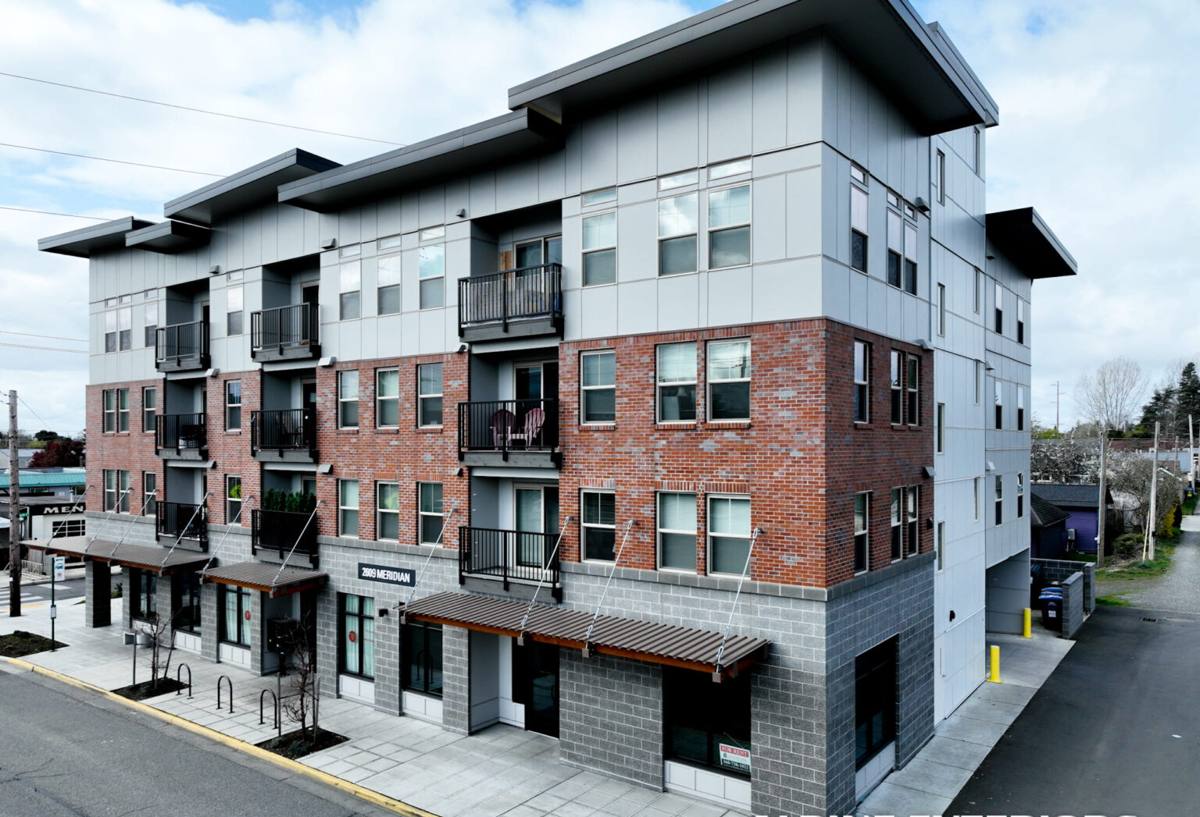
What Salt Air, Rain, and Moss Season Actually Do to Windows
Salt Air and Metal Components
Salt in the air accelerates corrosion on anything metal — hinges, cranks, balance mechanisms, and lower-quality frame hardware. Once corrosion starts, windows get harder to open and close smoothly, and seals that depend on tight mechanical fit start to fail early. This is a slower process than storm damage, but it's steady, and it's part of why window hardware in coastal Washington towns tends to wear out faster than the same products would inland.
Driving Rain and Water Intrusion
Wind-driven rain doesn't just fall on a window — it gets pushed into gaps under pressure. If flashing, sealant, or the window's own weatherstripping isn't installed correctly, water finds its way behind the trim and into the wall cavity. That's when you start seeing soft drywall, stained sills, or a musty smell near a window that otherwise looks fine from the outside.
Moss and Sustained Moisture
A long moss season means extended stretches where wood trim, sills, and the area around a window frame stay damp instead of drying out between rains. Wood that stays wet is wood that rots, and moss holding moisture against a sill or casing accelerates that timeline. This is less about the glass itself and more about everything around it — trim, sealant joints, and the wood the window is anchored into.
Signs a Window Needs Replacing, Not Just Repair
Not every window problem calls for full replacement. But on homes in this area, we see a consistent set of signs that mean repair is just delaying the inevitable:
- Fog or moisture trapped between glass panes (a failed seal that can't be repaired, only replaced)
- Soft or spongy wood at the sill or lower corners of the frame
- Windows that won't stay open, won't latch, or have become difficult to operate
- Visible daylight or a noticeable draft around the frame when it's shut
- Paint or finish that keeps failing at the same spot no matter how often it's touched up
- A noticeable jump in heating costs with no other explanation
- Rot or discoloration on interior trim near the window, especially on north- or west-facing walls
If you're only seeing one of these and the window is otherwise sound, a repair or reseal might be enough. Once you're seeing two or three together, that's usually a sign the window's protective barrier has already broken down.
What a Correct Window Replacement Job Actually Involves
The window itself is only part of the job. In a climate with this much wind-driven rain, how the window is installed matters as much as which window you buy. A correct installation includes:
- Removing the old window without damaging the rough opening, then inspecting the framing underneath for hidden rot or water damage before anything new goes in
- Repairing any compromised framing — installing a new window into a wet or rotten opening just traps the problem behind new trim
- Correct flashing and drainage so any water that does get behind the trim has a path back out, instead of pooling against the wall
- Proper sealant application at the right joints — sealing every gap solid can actually trap moisture; the goal is controlled drainage, not a total seal
- Shimming and leveling so the sash operates smoothly and the seals compress evenly on all sides
- Insulating the gap between the new frame and the rough opening without overpacking it, which can bow the frame
Skipping any of these steps is how a brand-new window ends up with the same water problems as the old one within a few years — the product gets blamed, but the failure is almost always in the installation.
Choosing the Right Window for This Climate
Frame material and glass package both affect how a window holds up to salt air and sustained moisture. Here's how the common options compare for a coastal Washington home:
| Frame Material | Coastal Durability | Maintenance | Notes |
|---|---|---|---|
| Vinyl | Good — won't corrode or rot | Low | Our standard recommendation for most Oak Harbor homes; performs consistently in salt air and doesn't need repainting |
| Fiberglass | Very good | Low | Higher upfront cost, very stable in temperature swings, holds paint well if a custom color is wanted |
| Wood | Fair, needs upkeep | High | Attractive, but bare or exposed wood is vulnerable to this area's moss and rain cycle without diligent maintenance |
| Aluminum | Poor in salt air | Moderate | Prone to corrosion and condensation near the coast; we generally steer homeowners away from it in this location |
On glass, double-pane with a low-E coating and argon fill is the practical standard for this climate — it manages both the cool, damp winters and the condensation that shows up when warm indoor air meets cold glass. Triple-pane can make sense on a home with heavy wind exposure or road noise, but it adds weight and cost that isn't necessary for every house.
We don't install bare aluminum-frame windows on homes this close to the water. It's not that aluminum is a bad material everywhere — it's that in a salt-air environment, the corrosion and condensation issues show up faster than most homeowners expect, and we'd rather steer you toward something that will still be performing well in fifteen years.
Our Window Replacement Process
- On-site assessment — we look at each window individually, not just as a set, since sun exposure and wind direction affect how each one has aged
- Honest recommendation — replacement where it's needed, repair where that's genuinely sufficient
- Product selection — matched to the home's exposure, style, and your budget, without upselling features you don't need
- Written estimate — clear on scope, materials, and timeline before any work starts
- Removal and framing inspection — checking what's behind the old window before installing the new one
- Installation — flashing, shimming, insulating, and sealing done to hold up against driving rain, not just look finished
- Final walkthrough — operating every window with you before we call the job done
What Affects the Cost
Every home is different, but the main factors that move the price on a window replacement job are consistent:
| Factor | Why It Matters |
|---|---|
| Number of windows | Per-window cost usually drops when replacing several at once versus one at a time |
| Frame material | Vinyl is typically the most economical; fiberglass and wood cost more |
| Window size and style | Large picture windows, bays, and custom shapes cost more than standard double-hung sizes |
| Condition of the framing | Rot or water damage found during removal adds repair work before the new window can go in |
| Access and story height | Second-story or hard-to-reach windows take more time and equipment |
| Trim and finish work | Matching existing interior or exterior trim adds labor beyond the window unit itself |
We give straightforward, itemized estimates so you can see exactly what you're paying for — no vague lump-sum numbers that hide where the money's going.
Why Local Experience with Oak Harbor Homes Matters
A crew that regularly works this area already knows which sides of a house take the worst weather, what kind of framing and construction is common in homes here, and how fast moss and moisture problems tend to develop on north-facing walls. That's not something you can fully substitute with a generic checklist — it comes from having done the work here, repeatedly, and seen what holds up and what doesn't.
We're based in the Anacortes area and treat Oak Harbor as part of our regular route, not a special trip. That means we're familiar with local permitting expectations, we're not learning the climate on your project, and we're around after the job is done if a question comes up.
Get a Straight Answer on Your Windows
If you're dealing with drafty windows, fogged glass, or soft trim around a frame, it's worth getting an honest look before deciding what to do. We offer free, no-pressure estimates — we'll tell you plainly whether you need full replacement, a repair, or nothing at all right now. Fill out the form below and we'll get in touch to schedule a time to take a look.