 Anacortes
 La Conner's Marine Climate Puts Extra Demands on Windows
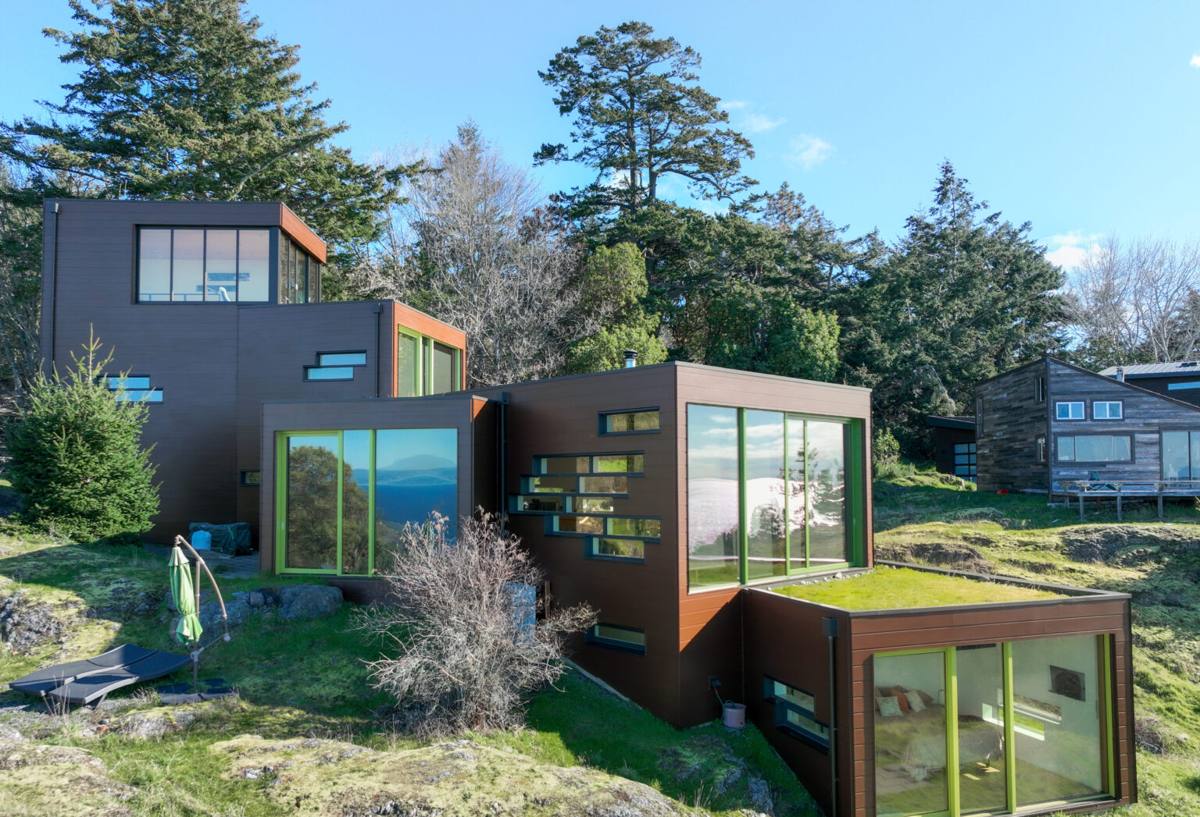
La Conner sits close to the water in Skagit County, and homes here deal with a different set of conditions than houses further inland. Salt-laden air off the channel, long stretches of wind-driven winter rain, and a damp season that gives moss and algae every reason to take hold on anything that stays wet. Windows are usually one of the first places all of that shows up — fogged glass between the panes, swollen or sticking sashes, corroded hardware, and frames that feel cold to the touch even when the furnace is running.
A lot of older homes in and around La Conner still have their original single-pane or early double-pane aluminum windows. Those windows were never built for this kind of exposure, and in a climate where you're running heat for a good chunk of the year, that adds up fast on a utility bill. Energy-efficient window replacement here isn't just about comfort — it's about stopping ongoing damage from salt, moisture, and constant temperature swings between a cold, wet exterior and a warm, dry interior.
What Salt Air, Rain, and Moss Actually Do to a Window
Salt Air and Metal Hardware
Airborne salt is corrosive to unprotected metal. Aluminum frames, steel fasteners, and basic hardware on cranks, hinges, and locks can pit and corrode years ahead of schedule in a waterfront or near-waterfront setting like La Conner. Once hardware seizes or a frame starts pitting, the window no longer seals the way it should, and every gap is a path for conditioned air to leak out and cold, damp air to leak in.
Wind-Driven Rain and Water Intrusion
Rain that falls straight down is one problem. Rain that gets pushed sideways by wind off the water is another — it finds its way into gaps around a window that would stay dry in a calmer climate. Over time, that moisture works into the wall framing around the window opening, not just the window itself. This is often where the real damage happens: rot in the framing, sheathing, and trim that isn't visible until a window is pulled out for replacement.
Moss, Algae, and Trapped Moisture
La Conner's long wet season keeps north-facing and shaded areas of a home damp for extended periods. Moss and algae growth on siding, trim, and window sills isn't just a cosmetic issue — it holds moisture against wood and caulking longer, which accelerates rot and breaks down sealants faster than they'd wear out in a drier climate.
What Actually Makes a Window "Energy-Efficient"
Energy efficiency isn't a single feature — it's a combination of frame material, glass package, and installation quality. Two windows that look identical from the street can perform very differently depending on what's inside the glass unit and how well the frame is sealed to the house. The numbers that matter are on the manufacturer's label, not the marketing copy:
- U-factor — how well the window resists heat loss. Lower is better for our climate.
- SHGC (Solar Heat Gain Coefficient) — how much solar heat passes through the glass. Matters more on south- and west-facing walls.
- Air leakage rating — how much air passes through the assembly itself, separate from the installation.
- Glass package — double- or triple-pane, argon or krypton gas fill, and Low-E coatings all affect real-world performance.
Frame material matters just as much in a marine climate, because it determines how the window holds up to salt air and moisture over the long run, not just how it performs on day one.
| Frame Material | Upfront Cost | Marine-Climate Durability | Maintenance |
|---|---|---|---|
| Vinyl | Lower | Good — won't corrode; some UV fading over decades | Low — occasional cleaning |
| Fiberglass | Higher | Excellent — very stable, resists corrosion and warping | Low |
| Wood-Clad | Highest | Good if detailed well — cladding protects wood, but any breach lets moisture in | Moderate — check cladding seams and sills |
None of these is automatically "wrong" for La Conner. The right call depends on the home's style, budget, and how exposed the window locations are to wind and rain off the water. We'll walk through the honest trade-offs for your specific house rather than push one product line for every job.
Signs Your Current Windows Are Losing the Battle
Not every window that needs replacing looks obviously bad. Some of the most energy-draining windows still look fine from across the room. Here's what to check:
- Fog, haze, or moisture trapped between panes of double-pane glass (a sign the seal has failed)
- Noticeable draft when standing near the window on a windy day
- Frame or sill that feels cold, damp, or soft to the touch
- Difficulty opening, closing, or locking the window smoothly
- Visible corrosion on hardware, cranks, or hinges
- Peeling paint, staining, or moss growth on the trim immediately around the window
- Condensation forming on the inside of the glass during cold, wet weather
- A heating bill that keeps climbing without an obvious explanation
Any one of these on its own might not mean much. Several of them together, especially on the side of the house that faces the prevailing wind and rain, usually means the windows are past the point of just needing a tune-up.
How We Approach a La Conner Window Replacement
- On-site assessment. We look at each window opening individually — not every window on a house is in the same condition, especially on a home with mixed sun and rain exposure.
- Checking the framing, not just the window. Before we talk product, we check for hidden rot or moisture damage around the opening. This is the step that gets skipped by crews trying to move fast, and it's the one that determines whether the new window will actually last.
- Product and glass package selection. We go over frame material and glass options based on the window's exposure, the home's style, and your budget — not a one-size-fits-all recommendation.
- Careful removal and opening prep. Old caulking, damaged flashing, and any compromised framing get addressed before the new window goes in, not covered over.
- Correct flashing and sealing. This is the single most important step for keeping wind-driven rain out over the long term. Flashing tape, sill pans, and sealant all need to be installed in the right order and lapped correctly — done wrong, even a great window will leak.
- Installation, insulation, and finish work. The window is set, shimmed, insulated around the frame, and trimmed out to match the home.
- Final walkthrough. We test operation on every window and go over care and maintenance before we consider the job done.
Why Hire a Crew That Already Works in La Conner
Window installation looks straightforward on paper, but a marine climate exposes shortcuts faster than a drier inland area would. A crew that regularly works waterfront and near-waterfront homes in Skagit County already knows which flashing details actually hold up against wind-driven rain, which hardware finishes resist salt corrosion, and which frame materials are worth the extra cost on an exposed wall versus a sheltered one.
There's also a practical side to hiring local: if a window needs a warranty adjustment, a seal check, or a minor service call two or three years down the road, you want a contractor who's still working in the area and easy to reach — not a crew that came through once from out of town.
What Affects the Cost of a Window Project in La Conner
Every home is different, so we won't quote a number here that doesn't mean anything until we've seen your windows. What we can do is lay out the main factors that move the price up or down, so you know what you're evaluating when you get an estimate.
| Cost Factor | Why It Matters |
|---|---|
| Number of windows | Per-window pricing typically drops on larger jobs due to shared setup and labor efficiency |
| Frame material | Vinyl, fiberglass, and wood-clad carry different material costs and installation labor |
| Glass package | Triple-pane, upgraded Low-E coatings, and gas fills add cost but improve performance |
| Condition of the existing opening | Hidden rot or water damage found during removal adds repair work before the new window goes in |
| Trim and siding work | Matching trim profiles or repairing siding around the opening affects labor and materials |
| Access and site conditions | Second-story windows, tight setbacks, or waterfront access can affect labor time |
Keeping New Windows Performing in a Wet, Salty Climate
A quality window installed correctly should need very little from you, but a few habits go a long way in a coastal climate:
- Rinse salt residue off frames and hardware periodically, especially on wind-exposed walls
- Keep weep holes (the small drainage openings on the exterior sill) clear of debris and moss
- Check exterior caulking and sealant once a year, particularly after a hard winter
- Keep gutters and downspouts clear so runoff isn't sheeting down across window trim
- Address moss or algae buildup on nearby siding and trim before it spreads onto the window frame
None of this is complicated, but it's the kind of upkeep that gets skipped, and it's exactly what shortens the life of windows in a climate like this one.
If your La Conner home has windows that feel drafty, look tired, or are driving up your heating bill, we're happy to take a look and walk you through honest options for your specific house. Reach out below for a free, no-pressure estimate — there's no obligation, just a straight answer on what your windows actually need.