 Anacortes
 Windows Built for La Conner's Waterfront Climate
La Conner sits close to Skagit Bay and the Swinomish Channel, which means homes here take on a version of Skagit County weather that's a notch harsher than what you'll find further inland. Salt-laden air off the water, wind-driven rain that hits window walls sideways instead of straight down, and long stretches of gray, damp months all add up to faster wear on window frames, seals, and hardware than most manufacturers' warranty language assumes. We've replaced and installed windows on homes throughout this stretch of Skagit County, and the pattern is consistent: windows chosen and installed without that climate in mind fail years before they should.
This page covers what custom window work actually involves for a La Conner-area home — what the salt air and moisture do to different materials, how a correct installation differs from a quick swap-out, and what to expect from a crew that works this specific corridor regularly instead of passing through once.
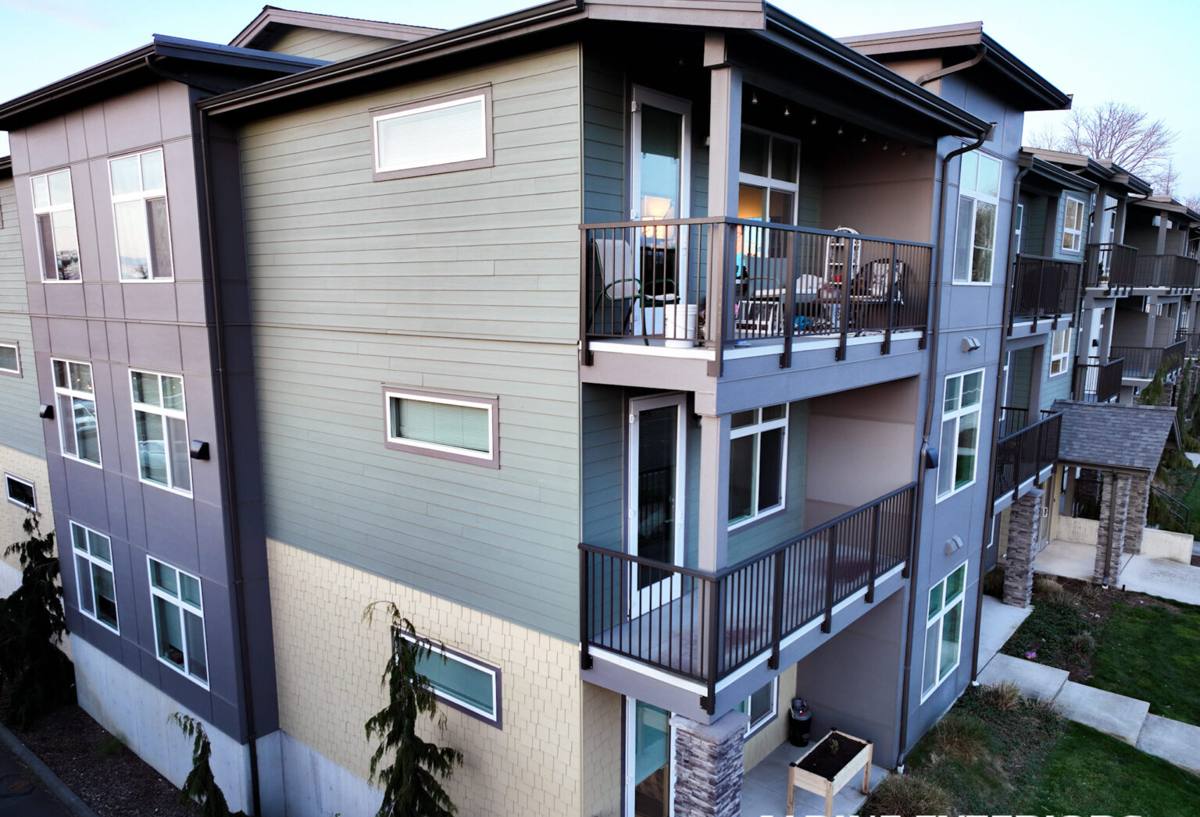
What Salt Air and Moss Season Do to Windows
Two forces do most of the damage to windows near the water in this part of Washington:
Salt Air Corrosion
Airborne salt settles on and around window components — hardware, weep holes, screen frames, and especially any exposed metal fasteners. Over years, that accelerates corrosion on lower-grade hardware and can pit or discolor aluminum cladding that isn't rated for coastal exposure. It's not dramatic; it's slow, and it's usually the hardware and moving parts that fail first, not the glass.
Driving Rain and Prolonged Dampness
Rain here doesn't just fall — wind pushes it laterally against west- and south-facing walls, and the region's long wet season means window openings stay damp for weeks at a stretch rather than drying out between storms. Combined with moss and algae growth on siding and trim around window openings, that sustained moisture finds any gap in flashing or sealant and works it wider over time. Wood components that aren't properly primed and sealed on all six sides are especially vulnerable to swelling, rot, and the kind of soft-spot damage that isn't visible until you push a screwdriver into the sill.
Signs Your Windows Are Losing the Fight
- Visible condensation or fogging between panes — a sign the seal on a double- or triple-pane unit has failed
- Soft, discolored, or spongy wood at the sill or bottom corners of the frame
- Drafts you can feel by hand along the edge of the sash, even with the window latched
- Hardware that's stiff, corroded, or won't latch tight anymore
- Paint or finish that's peeling or bubbling specifically around the window opening, not the wall generally
- Visible moss or algae buildup on trim or casing right around the frame
- Noticeably higher heating bills without another clear explanation
Choosing the Right Window Material for This Location
Every window material has trade-offs, and near the water those trade-offs get magnified. Here's how the common options actually hold up under La Conner's specific conditions.
| Material | Salt Air Performance | Moisture Resistance | Upkeep |
|---|---|---|---|
| Vinyl | Good — won't corrode or pit | Good, provided drainage/weep paths stay clear | Low; occasional cleaning |
| Fiberglass | Very good — dimensionally stable, resists pitting | Very good; low expansion/contraction | Low |
| Wood (clad or unclad) | Fair — cladding protects, but any breach exposes wood | Requires careful sealing on all sides; vulnerable if compromised | Higher; periodic inspection and refinishing |
| Aluminum (non coastal-rated) | Poor to fair — prone to pitting and corrosion over time | Fair; conducts cold and can condensate | Moderate; watch hardware and finish |
| Aluminum-clad wood | Good on the exterior face if properly detailed | Good, but interior wood still needs protection at joints | Moderate |
We don't push one material as a blanket answer — the right choice depends on your home's exposure, budget, and how much upkeep you want to take on. For homes with direct water-facing exposure, we generally steer clients toward vinyl or fiberglass for the working sash and frame, specifically because they don't give salt air anything to corrode. For homes set back from direct wind and rain, a well-detailed clad-wood window can still make sense and gives a different look. What matters more than the brand name on the window is how it's flashed, sealed, and fastened once it's in the wall — that's where most failures actually start.
What a Correct Custom Window Installation Involves
"Custom" here means the window is built or configured to fit an actual opening and its specific exposure — not that it's decorative. A correct job for this climate includes:
Opening Prep and Inspection
Before a new window goes in, we open up the rough opening enough to check the sheathing, framing, and any existing flashing for hidden rot or moisture damage — common on older homes in this area that have taken decades of wet-season exposure. Installing a new window over a compromised opening just hides the problem behind new trim.
Flashing and Weather Barrier Integration
This is the step that actually keeps driving rain out. Proper flashing tape and pan flashing at the sill, integrated correctly with the house's weather-resistive barrier, direct water back out and down rather than letting it pool at the bottom corners — the single most common failure point we see on older installs.
Sealant and Fastening
Exterior-grade sealant rated for marine/coastal exposure, applied at the right points (not everywhere — over-sealing can trap moisture instead of releasing it), and corrosion-resistant fasteners throughout. This is where cutting corners with standard hardware costs homeowners a second repair a few years down the line.
Interior Finish and Insulation
Gaps around the frame get properly insulated and sealed on the interior side too, which matters both for energy performance and for keeping condensation from forming inside the wall cavity.
Our Process for La Conner-Area Window Projects
- On-site assessment: We look at your existing windows, framing condition, and exposure — which walls take the worst of the wind and rain matters for material recommendations.
- Material and configuration selection: We walk through the trade-offs above based on your home, budget, and how much maintenance you want going forward.
- Accurate measurement and ordering: Custom windows are built to your actual openings, not a standard size forced to fit.
- Removal and opening inspection: Old windows come out carefully, and we check the opening for hidden damage before anything new goes in.
- Installation with proper flashing and sealing: Following the steps above, not a shortcut version.
- Interior and exterior finish work: Trim, caulking, and touch-up so the job looks finished, not just functional.
- Final walkthrough: We check operation, seals, and finish with you before calling it done.
Why a Local Crew Matters for This Kind of Work
Window installation done wrong doesn't usually show itself right away — it shows up two, three, or five years later as a soft sill or a fogged pane, by which point it's a bigger repair than it needed to be. A crew that works La Conner and the surrounding Anacortes area regularly has actually seen what this specific climate does to different materials and installation approaches over time, not in a manufacturer's lab test but on real homes a few miles from where you live. That matters more here than in a drier inland market, because the margin for error on flashing and sealing is smaller when a wall is getting hit with salt-laden, wind-driven rain for months at a stretch.
It also matters for accountability. If something needs a warranty visit or a follow-up adjustment, you're calling a crew that's still working in your area next month, not one that did a job and moved three counties away.
Cost Factors to Understand Before You Get a Quote
Window project costs vary widely based on several factors, and it's worth understanding them before comparing quotes:
| Factor | Why It Affects Cost |
|---|---|
| Window material and glass package | Fiberglass and higher-performance glass (low-E coatings, gas fills) cost more upfront than basic vinyl |
| Number and size of openings | More or larger windows means more material and labor |
| Condition of existing openings | Hidden rot or framing damage found during removal adds repair work before the new window goes in |
| New construction vs. retrofit | Retrofit (fitting into an existing opening) is typically less invasive than full-frame replacement, but full-frame is sometimes necessary for a proper seal |
| Trim and finish complexity | Custom trim profiles or matching existing historic detailing takes more time than standard trim |
We give straightforward, itemized quotes so you can see what's driving the cost, rather than a single lump number that leaves you guessing.
A Few Things to Ask Any Contractor Before Hiring
- Do you inspect the opening for hidden moisture or rot before installing, or just swap in the new unit?
- What flashing method do you use at the sill, and how does it integrate with the existing weather barrier?
- What fasteners and sealant do you use, and are they rated for coastal/marine exposure?
- Do you have experience with homes specifically in the La Conner and Anacortes area, not just Skagit County generally?
- What does your warranty actually cover — the window unit, the installation labor, or both?
Maintaining Custom Windows in a Salt-Air Climate
Even a well-installed window benefits from basic upkeep in this environment. Rinse accumulated salt film off exterior glass and frames periodically, especially after storms. Keep weep holes clear of debris and moss so water can drain as designed. Check exterior sealant annually for cracking or gaps, particularly on south- and west-facing exposures that take the brunt of driving rain. Lubricate hardware occasionally if it starts to feel stiff — that's often the first sign of corrosion setting in before it becomes a bigger problem.
If you're weighing a window project for a La Conner-area home, we're happy to take a look and talk through what makes sense for your specific exposure and budget — no pressure, no obligation. Use the form below to request a free estimate.