 Anacortes
 Why Guemes Island Puts Windows to the Test
Guemes Island sits just across the water from Anacortes, reachable only by a short ferry ride, and that isolation shapes everything about how a home ages out here. There's no bridge, no quick run to a hardware store for a missing part, and no shortage of weather coming straight off the water. Salt-laden air works on metal hardware and finishes year-round. Driving rain off Rosario Strait and the Sound finds every gap in a frame that isn't sealed correctly. And the long stretch of wet, low-light months that defines a Skagit County winter gives moss and algae plenty of time to take hold on sills, trim, and anything else that stays damp.
Windows are one of the first places all of this shows up. A window that would hold up fine forty miles inland can fail early here — fogged glass, swollen wood, corroded locks, drafts that show up out of nowhere. Building or replacing windows for a Guemes Island home means designing around this environment from the start, not treating it like a standard installation with a nicer view.
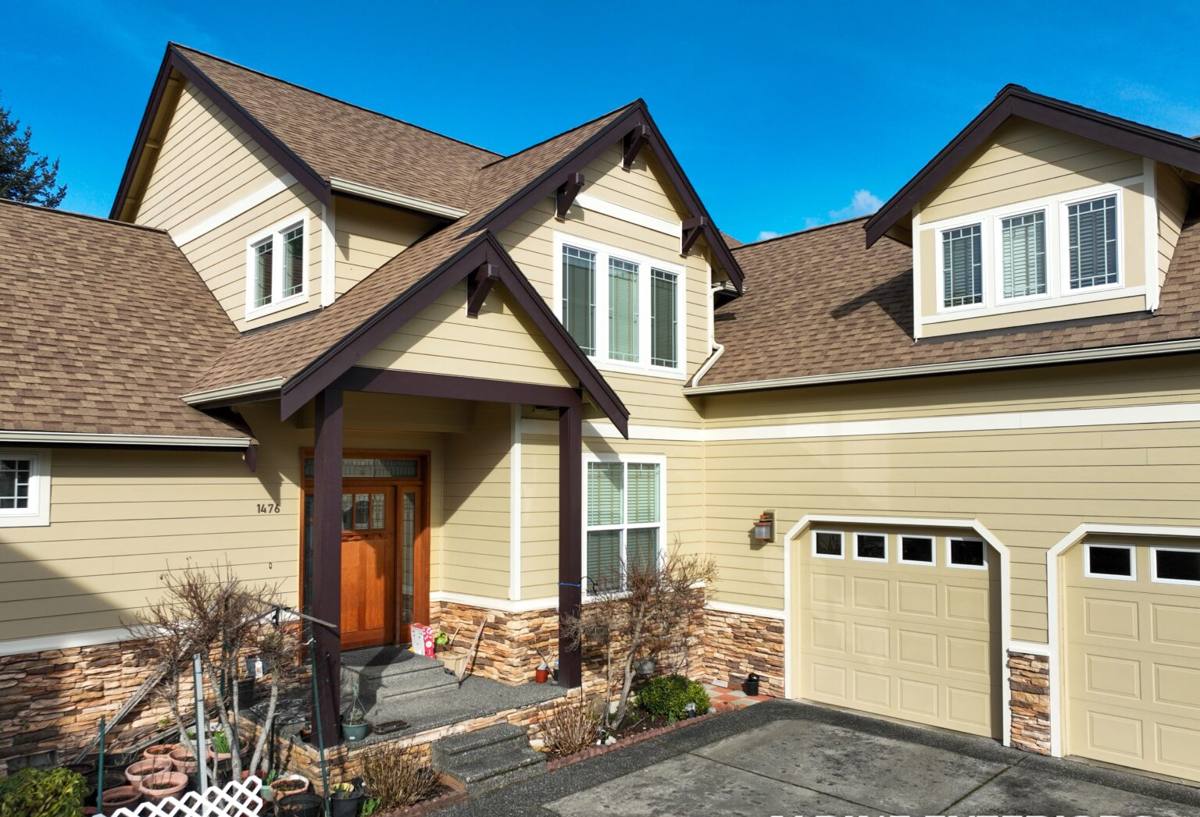
What "Energy-Efficient" Should Mean Out Here
Energy efficiency gets marketed as a single number, but on an island exposed to wind and moisture, it's really a combination of factors working together. A window can have a great efficiency rating on paper and still perform poorly if it isn't suited to constant damp air and salt exposure.
The factors that actually matter locally
- U-factor: how well the window resists heat transfer — lower is better for keeping heating costs down through a long Pacific Northwest heating season.
- Condensation resistance: a marine climate means high humidity indoors and out, so a window's ability to resist interior condensation matters as much as its insulation value.
- Air infiltration rating: wind-driven rain will find any gap in a poorly rated window; a tight air infiltration number is a direct defense against water intrusion, not just draftiness.
- Glass package: double- or triple-pane with a low-E coating tuned for this region's mix of overcast days and occasional strong summer sun.
We look at these together for each side of a house. A window facing the water and prevailing weather needs a different spec than one tucked on a sheltered side of the same building.
Common Problems We See in Windows on the Island
Salt air corrosion
Hardware — locks, hinges, balance mechanisms — takes the earliest hit from salt air. Once corrosion starts, a window stops sealing properly long before the glass or frame shows any visible damage.
Wind-driven water intrusion
Rain here doesn't just fall, it's pushed sideways by wind off the water. Flashing and sealant details that would be adequate on a calmer site aren't enough on exposed elevations, and water finds its way behind trim and into wall cavities over time.
Moss and algae buildup
The long wet season gives organic growth time to establish on sills, exterior trim, and anywhere water sits instead of draining. Beyond looking bad, trapped moisture under moss accelerates wood rot and finish failure.
Failed seals and fogging
Older insulated glass units weren't built with today's sealant technology. Once the seal between panes fails, moisture gets in, the glass fogs permanently, and the insulating value of that window drops to almost nothing — no amount of cleaning fixes it.
What a Correct Installation Actually Involves
Replacing a window looks simple from the outside — old one out, new one in — but the details that make it last on Guemes Island are almost all hidden once the job is done.
- Removal without damage: taking out the old unit carefully to expose the rough opening and check for hidden rot or water staining before anything new goes in.
- Opening prep: repairing any damaged framing and integrating flashing correctly with the existing house wrap or building paper so water sheds outward, not into the wall.
- Sealant selection: using sealants and tapes rated for sustained moisture and temperature swings, not just standard caulk that will crack and shrink within a season or two of coastal exposure.
- Correct shimming and fastening: a window that isn't shimmed level and square will bind, leak, or fail to seal fully regardless of how good the unit itself is.
- Interior and exterior trim-out: finishing details sealed and painted or capped appropriately so the same moss and moisture issues don't just start over on new material.
Skipping or rushing any one of these steps is usually invisible on install day and shows up as a leak or a draft a year or two later.
Frame Material Comparison for This Climate
There's no single "best" frame material for every home — it depends on exposure, budget, and how the house is built. Here's how the common options actually hold up in a salt air, high-rain environment.
| Material | Moisture & salt air performance | Maintenance needs | Typical lifespan here |
|---|---|---|---|
| Vinyl | Doesn't corrode or rot; performs well in most exposures | Low — occasional cleaning | Long, with quality-dependent variation |
| Fiberglass | Very stable in moisture and temperature swings, resists warping | Low | Long, holds up well on exposed elevations |
| Wood (unclad) | Needs consistent upkeep to resist rot and moss staining in this climate | High — regular painting/sealing | Shorter without diligent maintenance |
| Wood-clad (aluminum or vinyl exterior) | Good protection on the exterior face; interior wood still needs normal care | Moderate | Long if cladding stays intact |
| Aluminum | Prone to corrosion in salt air unless properly coated; conducts cold | Moderate to high | Shorter in direct salt exposure |
For homes with direct water exposure or heavy wind, we generally steer clients toward vinyl or fiberglass for the exterior-facing performance, though a well-maintained wood-clad window still has its place, especially where matching an existing architectural style matters.
Our Process for Guemes Island Jobs
Working on the island means building the ferry schedule into every step, not treating it as an afterthought.
Site visit and measurement
We assess each opening individually — exposure to weather, condition of the existing framing, and any signs of past water intrusion — rather than assuming every window on the house needs the identical spec.
Material staging
Because getting back to the island for a forgotten part isn't a quick fix, we confirm every window, flashing component, and fastener is accounted for before we ever load the ferry.
Install day
We work with the weather, not against it. Installing during a dry window matters more here than in a lot of places, since an opening exposed to driving rain mid-install can undo the benefit of a careful job.
Cleanup and walkthrough
We walk the finished openings with the homeowner, both inside and out, checking operation, seals, and trim before we consider the job done.
A Simple Maintenance Checklist for Homeowners
Even the best window installation benefits from basic upkeep, especially in this climate. A few minutes a couple times a year goes a long way.
- Clear moss and debris from sills and tracks before it holds moisture against the frame.
- Check weep holes (the small drainage openings on the exterior sill) to make sure they're not clogged and water can drain out.
- Lubricate locks and hardware periodically to slow salt air corrosion.
- Inspect exterior caulking and sealant lines once a year for cracking or gaps.
- Watch for condensation between panes — a sign a seal has failed and the unit needs replacing, not just cleaning.
Why It Matters to Hire a Crew That Already Works Guemes Island
Ferry-dependent scheduling changes how a project has to be planned — timing deliveries, sequencing work around sailings, and not treating a return trip for a forgotten item as a five-minute errand. A crew that regularly works on the island already accounts for this instead of learning it on your job.
There's also the housing stock itself. Island homes run the range from older wood-frame cottages to newer builds designed for direct water exposure, and each needs a different approach to window replacement. Familiarity with how Skagit County's coastal weather actually behaves against a building — not just in general, but on this specific stretch of water — shapes decisions about flashing details, sealant choice, and where to spend the budget on upgraded glass versus where standard performance is plenty.
If your windows are drafty, fogged, hard to operate, or just original to a house that's been standing through a lot of wet winters, it's worth having them looked at before small problems turn into framing repairs. We're happy to come take a look and put together a straightforward, no-pressure estimate — just fill out the form below to get started.