 Anacortes
 Windows Built for Edison's Weather, Not Just Any Weather
Edison sits in one of the wetter, saltier corners of Skagit County, tucked between the tidal flats and the farmland west of Anacortes. Homes here take a different kind of beating than houses twenty miles inland. Salt-laden air off the bay works into metal hardware and fastener heads. Driving rain off the water finds any gap in a window's flashing. And the long gray stretch from fall through spring keeps north-facing walls and window sills damp long enough for moss and mildew to get a foothold. A window that's rated fine for a dry climate can still fail early here if it wasn't installed with this specific exposure in mind.
That's the core problem with window installation done "by the book" instead of by the region. The book doesn't know about the salt drift off Samish Bay or how many weeks a year your siding stays wet. We do, because we work this area regularly.
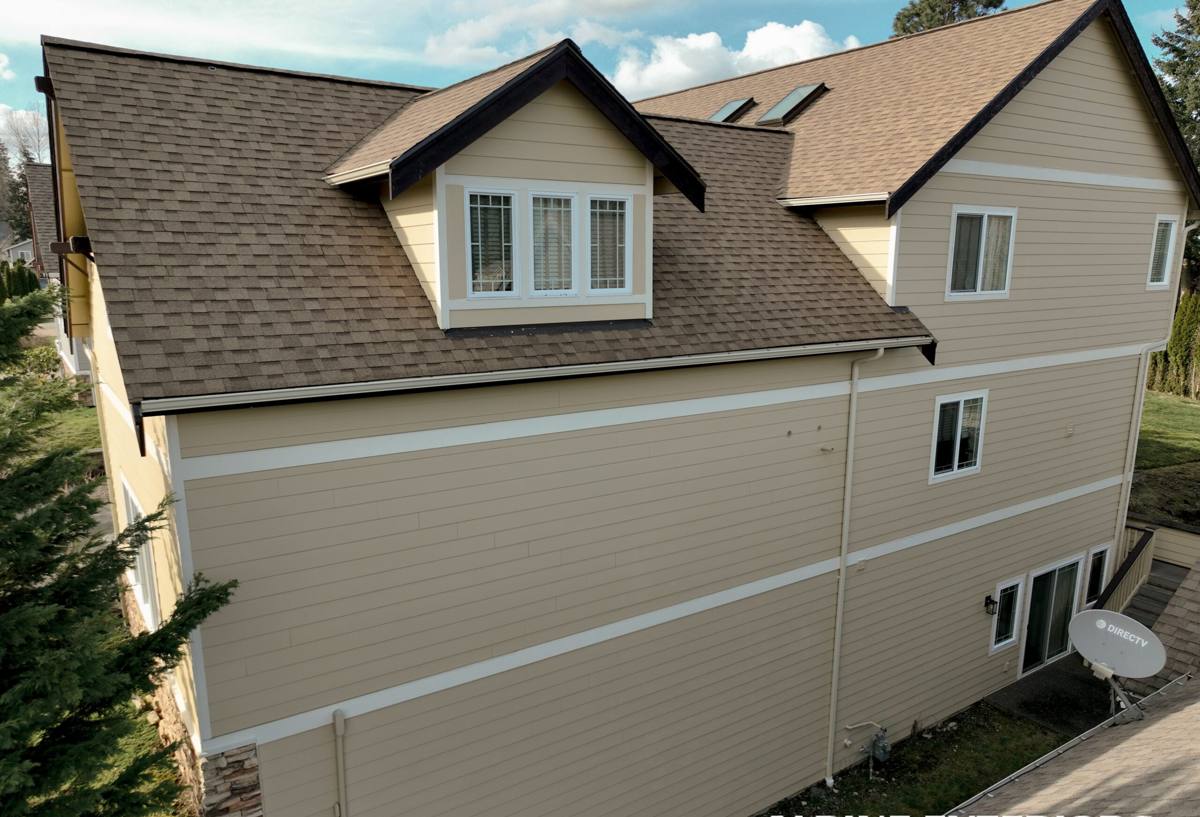
Signs Your Current Windows Are Losing the Fight
Most window failures in this climate don't show up as a shattered pane — they show up slowly, as water intrusion or hardware fatigue. Homeowners in Edison and the surrounding area should watch for:
- Soft or discolored wood trim around the window frame, especially on the sill
- Fogging or a milky haze between panes on double-pane units (a sign the seal has failed)
- Corroded or stiff hardware — locks, cranks, or hinges that used to move smoothly
- Visible moss or dark streaking on the exterior casing or the wall just below the window
- Drafts you can feel with a hand near the frame on a windy day
- Windows that are noticeably harder to open or close than they were a few years ago
- Condensation forming on the inside of the glass regularly, even with normal ventilation
Any one of these on its own might just mean a caulking touch-up. Several together, especially fogged glass plus soft trim, usually means the window and its surrounding flashing are past the point of a simple repair.
What a Correct Window Installation Actually Involves
Setting a new window into a wall looks simple from the outside, but the parts that actually determine whether it lasts happen before the window is ever visible. In a wet, salt-exposed area, the sequence matters more than the window itself.
The Water Management Layer
Before any window goes in, the rough opening needs a proper weather-resistive barrier and flashing sequence — sill pan flashing at the bottom, side flashing that laps over it, and head flashing that laps over the sides. Done correctly, water that gets past the window (and eventually, some always will) drains back out instead of soaking into the wall framing. This is the single most common thing we find missing or done backwards on older Edison-area homes when we open up a wall.
Sealing Without Trapping Moisture
Sealant matters, but so does knowing where not to seal. A window needs to breathe at the bottom of the frame so any water that does get in can weep back out. Sealing that path shut traps moisture inside the wall instead of keeping it out — a mistake that causes rot years down the road, long after the installer is gone.
Fastening and Hardware Choice
In salt air, fastener and hardware material choice isn't cosmetic. Standard steel screws and clips corrode faster this close to the water. We use fasteners and hardware rated for coastal exposure so the window doesn't develop stiff cranks or rust streaks in a couple of winters.
Insulating the Gap
The gap between the window frame and the rough opening needs to be filled with a low-expansion foam or backer rod and sealant — not stuffed with fiberglass insulation alone, which does little to stop air and moisture movement. This gap is also where a lot of drafts originate on older installs.
Choosing a Window Frame Material for This Climate
There's no single "best" window for every house, but some frame materials handle salt air and constant moisture more predictably than others. Here's how the common options generally compare for a home in this part of Skagit County:
| Frame Material | Moisture & Salt Air Behavior | Maintenance | Typical Trade-Off |
|---|---|---|---|
| Vinyl | Won't rot or corrode; handles salt air well | Low — occasional cleaning | Limited color/finish options; can look plain on older or historic-style homes |
| Fiberglass | Very stable in temperature swings and moisture; strong for its weight | Low | Higher upfront cost than vinyl |
| Wood | Needs a well-maintained exterior finish to resist moisture and moss | High — periodic refinishing required | Best traditional look, but highest long-term upkeep in a wet climate |
| Wood-clad (wood interior, metal/vinyl exterior) | Exterior cladding protects the wood from direct weather | Moderate | Cladding seams need proper detailing or they become a water entry point |
We'll walk through this with you against your home's actual exposure — a wall that takes wind-driven rain off the water directly is a different case than a sheltered wall on the lee side of the house.
Glass Packages Worth Discussing
Beyond frame material, the glass package affects both comfort and how the window holds up over time. Double-pane windows with a low-E coating and argon fill are the standard baseline for this climate and handle Skagit County's mild-but-damp winters well. Triple-pane adds another layer of insulation and can help on north- or west-facing walls that take the brunt of winter storms, though it comes at added cost and weight. We'll talk through where triple-pane makes sense on your house and where double-pane is the more practical call.
How Our Process Works
- On-site assessment. We look at your existing windows, the wall assembly where visible, and the specific exposure of each elevation — a bay-facing wall gets treated differently than a sheltered one.
- Honest scope and estimate. You get a clear breakdown of what's being replaced, the flashing and sealing approach, and the materials involved — no vague allowances.
- Opening prep. Old windows come out carefully so we can inspect the framing and sill for hidden rot before anything new goes in. If we find damage, we tell you before we cover it back up.
- Flashing and water management. Sill pan, side, and head flashing installed in the correct lapped sequence, every time — not just on the windows that are easy to see.
- Window setting, shimming, and insulating. The unit is leveled, squared, and the gap is filled properly so the window operates smoothly and stays sealed against drafts.
- Exterior and interior trim. Trim is reinstalled or replaced, caulked at the right points, and left to shed water rather than trap it.
- Walkthrough and cleanup. We check operation on every window with you and clean up the job site before we leave.
What Affects the Cost
Every home is different, but the main variables that move the price on a window installation in this area are fairly consistent:
| Factor | Why It Matters |
|---|---|
| Number and size of openings | More or larger windows means more material and labor per job |
| Frame material chosen | Vinyl, fiberglass, and wood carry different material costs |
| Condition of the existing framing | Hidden rot found once the old window is out adds repair work before the new one goes in |
| Glass package | Double-pane versus triple-pane, and coating options, change unit cost |
| Access and wall height | Second-story or hard-to-reach windows take more time and setup |
| Trim and finish work | Matching existing interior trim or exterior siding detail adds labor |
We'd rather walk your specific house and give you real numbers than quote a range that doesn't reflect what's actually going on with your windows.
Why It Matters That We Already Work in Edison
A crew that mostly works drier, inland areas can still do competent carpentry — but they won't necessarily think to check for the things that matter most here: whether the sill flashing accounts for wind-driven rain off the bay, whether the hardware will hold up to salt exposure, or how much moss buildup to expect on a shaded elevation. We work this stretch of Skagit County regularly, from Anacortes out through Edison and the surrounding area, so those aren't unusual considerations for us — they're just part of doing the job right the first time.
There's also a practical side: knowing the area means knowing what permitting and inspection generally look like for the jurisdictions around here, and not being surprised by the kind of older window openings and framing common in this part of the county.
Living With Your New Windows: Salt Air and Moss Season
A well-installed window still benefits from basic upkeep in this climate. Rinse accumulated salt film off exterior frames and glass periodically, especially on walls that face the water directly. Keep an eye on exterior caulking lines each fall before the wet season sets in, and clear any moss or debris that collects on sills or in window wells so it isn't holding moisture against the frame all winter. None of this is heavy maintenance — it's the kind of five-minute check that keeps a properly installed window performing for its full lifespan instead of fighting the climate from day one.
If your windows are showing any of the signs above, or you're planning ahead for a home in the Edison area, we're happy to take a look and give you a straightforward, no-pressure estimate. Use the form below to get started.