 Anacortes
 Asphalt Shingle Roofing Built for Bow's Exposure
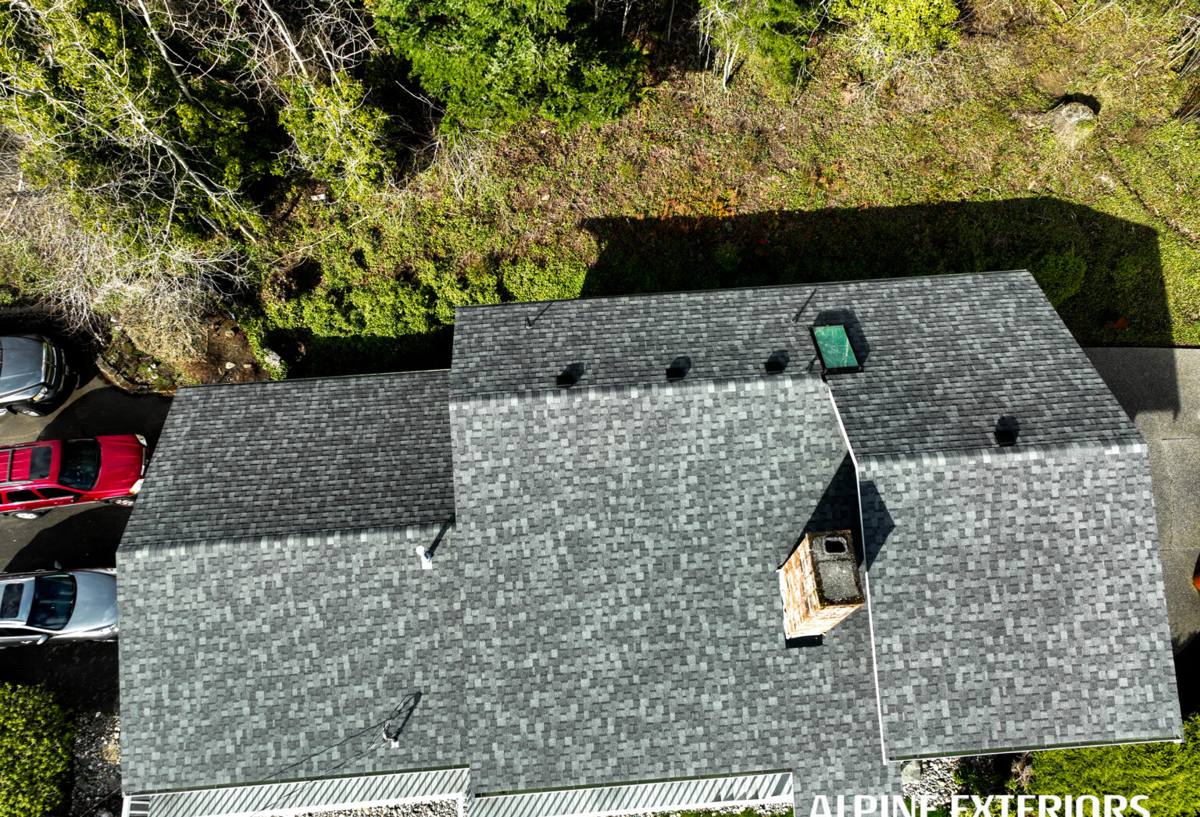
Bow sits close enough to Samish Bay and the open water of Skagit County that its roofs take on a different kind of wear than homes further inland. The combination of salt-laden air, wind-driven rain, and a moss season that can run most of the year adds up fast on an asphalt shingle roof that wasn't installed with those conditions in mind. We work on homes throughout this part of Skagit County and see the same failure patterns repeat themselves: corroded fasteners, granule loss along wind-exposed slopes, and moss colonies that get a foothold in the first damp autumn and never really leave.
None of that means asphalt shingles are a poor choice for Bow. They remain one of the most practical, cost-effective roofing materials available, and a properly installed shingle roof holds up well here for decades. The key word is "properly." A shingle roof installed the same way you'd install one in a dry inland climate will underperform in Bow. One built with this specific exposure in mind won't.
What Salt Air and Driving Rain Actually Do to a Roof
Corrosion Accelerates Quietly
Salt in the air doesn't just affect siding and trim — it settles on roofing fasteners, flashing, and any exposed metal components. Standard electro-galvanized nails and staples can start to lose their corrosion resistance faster near open water than they would ten or twenty miles inland. Once a fastener starts to corrode, it loses holding power, and a shingle that's supposed to stay locked down through a windstorm starts to lift instead.
Wind-Driven Rain Finds the Weak Points
Rain that falls straight down is rarely the problem. Rain that's being pushed sideways by wind off the water is a different story — it gets under shingle tabs, behind poorly lapped flashing, and into any gap in the underlayment that a calmer climate could get away with ignoring. Roofs in Bow need every horizontal lap, valley, and penetration detailed as if the rain is coming in sideways, because on plenty of days, it is.
Moss, Algae, and Skagit County's Long Wet Season
Why Moss Gets Such a Strong Foothold
Moss needs moisture, organic debris, and shade to establish — and a shaded, tree-lined property in Bow that stays damp from fall through spring gives it all three. Once moss takes hold on a shingle roof, it holds water against the shingle surface far longer than open rain runoff would, which accelerates granule loss and can work its way under tabs over time.
Algae Streaking Is a Different Problem
The dark streaking many homeowners notice on north-facing slopes is usually algae, not dirt, and it's a cosmetic issue rather than a structural one — but it's worth knowing the difference before paying for treatments aimed at the wrong problem. A roof that's shaded, has poor airflow underneath, and rarely gets direct sun is the most likely candidate for both moss and algae, and Bow has plenty of tree cover that creates exactly those conditions.
What a Correctly Installed Shingle Roof Includes Here
A shingle roof is a system, not just a layer of shingles nailed to a deck. Every layer underneath the visible shingle does specific work, and skipping or shortcutting any one of them is where most premature failures start.
Ice and Water Shield at Vulnerable Areas
Valleys, eaves, and roof-to-wall transitions get a self-adhering waterproof membrane underneath the shingles, not just felt paper. These are the spots where wind-driven rain and standing water are most likely to find a way in, and they're the spots most worth over-building rather than treating as an afterthought.
Synthetic Underlayment Across the Field
A quality synthetic underlayment across the rest of the roof holds up to the wet install conditions common here far better than old-style felt, which can tear or wrinkle if it takes on moisture before the shingles go down.
Flashing Done Right, Not Reused
Step flashing at walls, chimney flashing, and valley metal should be new, properly lapped with the underlayment, and sealed at the right points — not caulked as a substitute for correct lapping. Reusing old flashing to save time is one of the more common shortcuts we see on roofs that fail early, and it's one we don't take.
Ventilation That Matches the Climate
Balanced intake and exhaust ventilation keeps the underside of the roof deck dry and temperature-stable, which matters in a climate where the attic space can stay damp for long stretches. Poor ventilation traps moisture, and trapped moisture is what eventually finds its way into wood framing and insulation.
Choosing the Right Shingle for This Exposure
Not every shingle product is a good match for a coastal, moss-prone, wind-exposed site. The table below outlines the practical trade-offs we walk homeowners through.
| Shingle Type | Typical Lifespan | Best Fit for Bow | Trade-Offs |
|---|---|---|---|
| 3-tab shingles | 15-20 years | Lower budget projects, secondary structures | Lower wind rating; less algae resistance available |
| Architectural (laminate) shingles | 25-30 years | Most homes in this area | Higher upfront cost; better wind and impact performance |
| Algae-resistant (copper-granule) shingles | 25-30 years, with sustained appearance | Shaded lots or homes near tree cover | Slight cost premium; reduces but doesn't eliminate moss risk |
| Premium/designer shingles | 30-50 years | Homeowners prioritizing longevity and appearance | Highest material cost; still needs correct install to earn its lifespan |
Wind rating matters as much as the shingle's advertised lifespan. We look for products rated for higher wind speeds given Bow's open exposure near the water, and we pair that with proper nailing patterns — the fastening method affects wind performance as much as the shingle itself does.
Why We Don't Push the Cheapest Option
Standard 3-tab shingles aren't a bad product, but on an exposed, moss-prone lot they tend to show their age faster — more granule loss, less algae resistance, and a lower wind rating than laminate shingles at a modest cost difference. Our standard recommendation for most Bow homes is a mid-tier architectural shingle with algae-resistant granules, because it matches the actual conditions the roof will face rather than a national-average climate.
How Our Process Works
- On-site inspection: We walk the roof (weather permitting) or inspect from the ground and any accessible vantage points, checking deck condition, ventilation, flashing, and existing moss or algae growth.
- Honest scope review: We tell you what's actually needed — full tear-off versus repair, deck replacement where rot is found, ventilation upgrades — before any work starts.
- Tear-off and deck inspection: Old shingles come off down to the deck so we can see and address any hidden moisture damage rather than roofing over it.
- Underlayment and flashing installation: Ice and water shield at vulnerable areas, synthetic underlayment across the field, new flashing throughout.
- Shingle installation: Installed to manufacturer nailing specifications, adjusted for this site's wind exposure.
- Final walkthrough and cleanup: Magnetic sweep for stray fasteners, debris removal, and a final review with the homeowner.
What Homeowners Can Do Between Roofing Projects
- Keep gutters clear so runoff doesn't back up under the lowest course of shingles.
- Trim back overhanging branches to reduce shade and debris buildup that feeds moss growth.
- Have moss physically removed rather than pressure-washed off, which can strip granules and shorten shingle life.
- Watch for granule buildup in gutters and downspouts — a sign of accelerating wear.
- Schedule a roof check after major windstorms, since lifted or missing shingles are easiest to fix before the next heavy rain finds them.
- Avoid nailing or screwing anything (holiday lights, mounts) directly through shingles outside of proper flashing details.
Why Local Experience with Bow Roofs Matters
A contractor who mostly works dry, inland jobs can install a technically correct roof that still underperforms here, simply because they're not accounting for the specific combination of salt air, wind-driven rain, and extended moss season that this part of Skagit County deals with. We work in Bow and the surrounding area regularly, which means we're not guessing at how a given shingle, fastener, or ventilation setup holds up in this exposure — we've seen it firsthand, on roofs that are or aren't holding up years later.
That local knowledge shapes practical decisions: which shingle lines actually resist algae staining here, where flashing tends to fail first on homes near the water, and how much ventilation a given attic actually needs given the moisture load it deals with most of the year. It's the difference between a roof that's built to a spec sheet and one that's built for the site it's actually on.
Get a Straightforward Look at Your Roof
If your asphalt shingle roof in Bow is showing moss, granule loss, lifted shingles after a windstorm, or you're simply not sure how much life it has left, we're glad to take a look. The estimate is free, there's no pressure attached to it, and you'll get a plain explanation of what we find and what your realistic options are. Use the form below to get started.