 Anacortes
 Storm Damage Roof Repair for Ship Harbor Homes
Ship Harbor sits right where Rosario Strait weather meets the west-facing edge of Anacortes, and that location matters more than most homeowners realize until a storm rolls through. Wind off the water hits roofs here at angles and speeds that inland Skagit County homes rarely see, and it carries salt spray that inland roofs never have to deal with at all. When a storm damages a roof in this neighborhood, the fix has to account for that exposure — not just patch the visible hole and move on.
This page covers what storm damage roof repair actually means for a Ship Harbor property: what the local climate does to roofing systems over time, what a correct repair looks like, and how our process works from the first call to the final inspection.
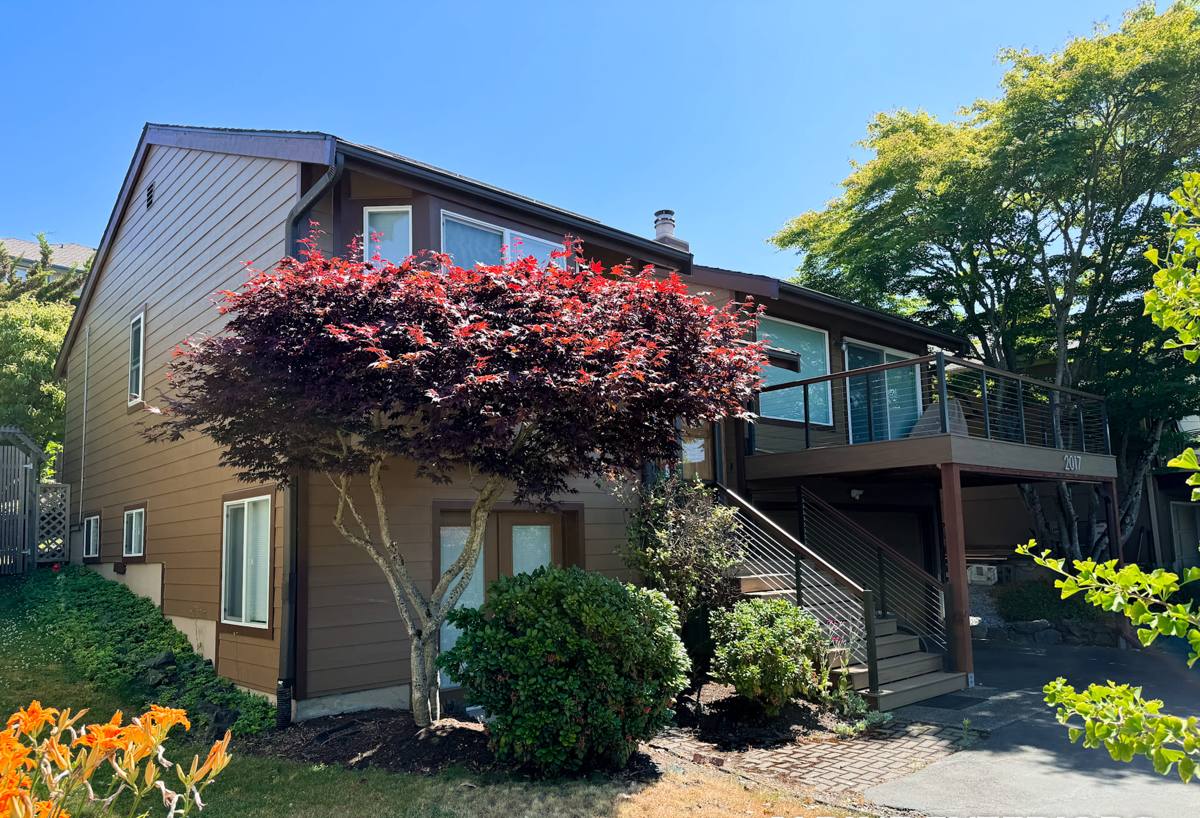
Why Ship Harbor's Location Puts Extra Load on a Roof
Wind-Driven Rain
Storms coming off the strait don't just drop rain straight down — they push it sideways, up under shingle tabs and along ridge lines, into gaps that would stay dry in a calmer wind pattern. A roof that's fine in a normal downpour can still take on water during a wind event if the underlayment, flashing, or shingle seal has any weak point. That's the core reason storm damage repair near the water is different from storm repair a few miles inland: the water finds its way in horizontally, not just vertically.
Salt Air and Corrosion
Ship Harbor's proximity to the shoreline means metal roofing components — flashing, drip edge, fasteners, vent caps — are exposed to salt-laden air on a near-constant basis. Salt air accelerates corrosion on anything that isn't rated for a marine-adjacent environment, and a corroded fastener or flashing seam is exactly the kind of weak point a storm exploits. Homes even a short distance further inland in Anacortes don't deal with this at the same rate.
Moss and a Long Wet Season
Skagit County's wet season runs long, and the shaded, moisture-holding conditions common on this end of Anacortes give moss plenty of time to establish itself on north-facing roof slopes. Moss holds water against the roofing material, works its way under shingle edges, and adds weight — all of which can turn what would have been minor storm damage into a bigger repair if it's not addressed as part of the same visit.
Signs a Ship Harbor Roof Took Storm Damage
Some storm damage is obvious. A lot of it isn't, especially from the ground. Here's what we tell homeowners to check for after a windstorm or heavy weather event:
- Shingles that look lifted, curled, or are missing entirely, especially on the side of the roof that faces the prevailing wind
- Granules collecting in gutters or at downspout outlets — a sign of shingle surface wear from wind and impact
- Water stains on interior ceilings or upper walls that weren't there before the storm
- Visible gaps or bent metal at flashing points — chimneys, vent pipes, skylights, valleys
- Soft spots or sagging when walking the attic (if it's safe to check)
- Debris damage — branches, needles, or gravel from roofing material displaced by wind
- Moss or dark streaking that's suddenly more pronounced after a wet stretch, which can mean a seal has failed and is holding extra moisture
If you see any of these, the roof needs a proper inspection before the next storm, not just a visual check from the driveway.
What a Correct Storm Damage Repair Actually Involves
Inspection Before Anything Else
We start on the roof, not on a ladder from the ground. That means checking the full slope, the flashing details, the valleys, and the attic side if accessible. A storm can cause damage in a spot that has nothing to do with where the visible problem shows up — wind-driven water often travels along the underlayment before it finds a way through the ceiling.
Matching Materials, Not Guessing
Repairs that don't match the existing roofing in weight, profile, and color stand out and can create a second weak point where old and new material meet. We match shingle type and, where possible, manufacturer line so the repair blends in and performs the same as the surrounding roof, not differently from it.
Flashing and Underlayment Get the Same Attention as Shingles
A shingle-only repair on a home this close to the water is an incomplete repair. If storm damage compromised a shingle, we check the underlayment and flashing underneath and around it before closing it back up. Corroded or storm-bent flashing gets replaced with material rated for a coastal-exposure environment, not just whatever's fastest to install.
Documentation for Insurance
We photograph the damage before and during the repair and provide a written scope of work. If a claim is involved, this documentation is what an adjuster needs to see — clear evidence connecting the damage to the storm event, not a vague description after the fact.
Our Process, Start to Finish
- Call or request an estimate. We ask what happened, when, and what you've noticed so far.
- On-site inspection. We get on the roof, check the attic side where accessible, and identify every point of damage — not just the one you called about.
- Written scope and estimate. You get a clear explanation of what's damaged, what needs to be done, and an honest price range before any work starts.
- Temporary protection if needed. If there's an active leak or exposed decking, we get it covered and dry before scheduling the full repair.
- Repair work. Matching materials, correct flashing and underlayment, proper fastening for wind exposure.
- Final walkthrough. We show you what was done and confirm the area is sealed and weather-tight before we consider the job finished.
Repair vs. Replacement: What Actually Drives the Decision
Not every storm-damaged roof needs full replacement, and not every roof can be safely patched. Here's how we think through it:
| Factor | Favors Repair | Favors Replacement |
|---|---|---|
| Age of existing roof | Under 10-12 years, good remaining life | Near or past expected lifespan |
| Extent of damage | Localized — one slope, one section | Widespread across multiple slopes |
| Underlying deck condition | Solid, no rot found during inspection | Soft decking or moisture damage found underneath |
| Material availability | Matching shingle still in production | Discontinued line, no close match available |
| Prior storm history | First significant event | Repeated damage in the same areas over time |
We'll always tell you honestly which side of this table your roof falls on. A repair that's going to fail again in the next storm season isn't a good use of your money, and we're not going to sell you a full replacement when a proper repair will hold.
Working With Your Insurance Company
Most storm damage claims move faster when the documentation is solid from the start. We provide the photos, the written scope, and a straightforward explanation of cause and effect that an adjuster can act on. We're not a public adjuster and we don't negotiate your claim for you, but we make sure the roofing side of the paperwork is accurate and complete so there's nothing to go back and forth about.
Why a Crew That Already Works Ship Harbor Matters
A repair crew that's worked this specific stretch of Anacortes knows what to expect before they get on the roof — the wind exposure on west-facing slopes, the corrosion pattern on older flashing near the water, the moss buildup pattern on shaded slopes during the wet months. That familiarity means fewer surprises, a faster accurate inspection, and a repair built for the conditions this property actually faces, not a generic inland fix.
It also means we're not learning the area on your roof. We know what coastal-grade fasteners and flashing cost and why they're worth using here, and we know which storm damage patterns tend to recur on homes in this part of Skagit County if the underlying cause isn't addressed the first time.
Between Storms: Keeping a Ship Harbor Roof Ahead of Damage
The best storm damage repair is the one you never need. A few habits go a long way in this climate:
- Clear moss off north-facing slopes before it gets thick enough to hold water against the roofing material
- Keep gutters and downspouts clear so wind-driven rain has somewhere to go instead of backing up under the edge
- Have flashing points checked every couple of years for salt-air corrosion, especially around chimneys and vents
- After any significant wind event, do a visual check from the ground for lifted or missing shingles
- Trim back overhanging branches that can whip against the roof surface during high wind
None of this replaces a professional inspection after an actual storm, but it reduces how much damage a given storm can do in the first place.
Get an Honest Look at Your Roof
If a recent storm has you wondering whether your roof needs attention, we're glad to come take a look. The estimate is free, there's no pressure to move forward, and you'll get a straight answer about whether you're looking at a repair or something bigger — just fill out the form below to get started.