 Anacortes
 Windows Built for Ship Harbor's Exposure
Ship Harbor sits close enough to the water that its homes take a different kind of weathering than houses further inland in Skagit County. Salt-laden air off Rosario Strait works on metal hardware and finishes year-round, wind-driven rain finds its way into any gap that isn't sealed correctly, and the long stretch of gray, damp months that define our moss season keeps wood trim and sills wet for days at a time. Windows in this neighborhood aren't just a comfort upgrade — they're one of the main things standing between a house and that exposure.
Custom windows, meaning units built to your actual rough openings and your home's specific style rather than pulled off a generic size chart, matter more here than in a lot of places. A window that's slightly undersized or improperly flashed might get away with it in a drier climate. In Ship Harbor, that same gap becomes a path for moisture, and moisture problems in a marine environment tend to show up faster and hit harder.
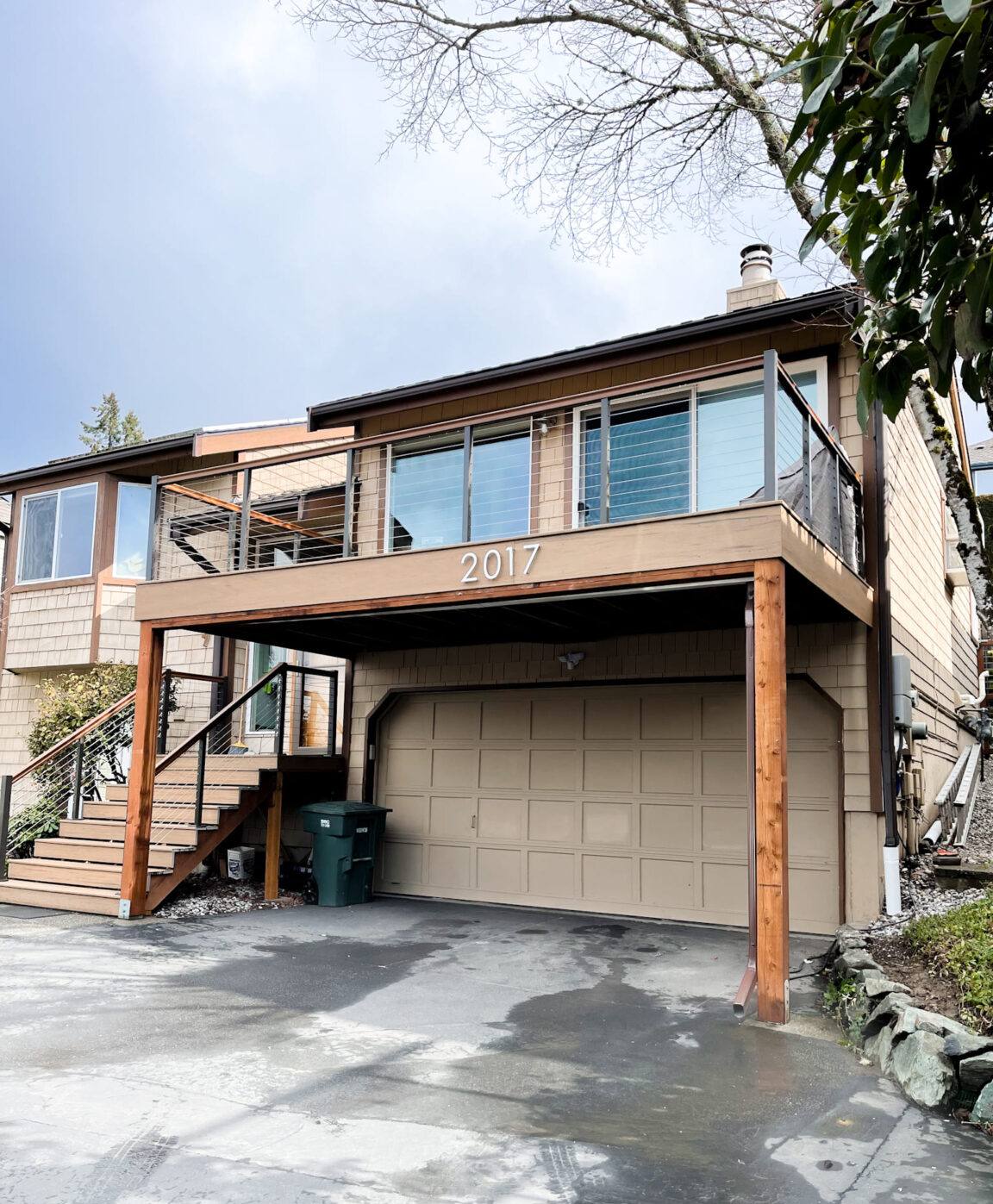
What Salt Air, Rain, and Moss Season Actually Do to Windows
Salt Air
Airborne salt accelerates corrosion on window hardware — hinges, locks, balance mechanisms, and screen frames all take the brunt of it. Cheaper aluminum components and lower-grade fasteners can start showing white oxidation or stiffness within a few seasons. It also degrades some exterior paint and stain finishes faster than manufacturers' standard testing accounts for, since most of that testing isn't done in a coastal marine environment.
Driving Rain
Anacortes gets plenty of rain that comes in sideways off the water, not just straight down. That kind of wind-driven rain tests a window's weatherstripping, sill pan drainage, and flashing details in ways that calm, vertical rainfall never will. A window that passes a basic water test in a lab can still leak on a Ship Harbor house if the flashing integration with the wall assembly wasn't done with that wind direction in mind.
Moss and Prolonged Dampness
Our moss season isn't just a roof problem. Moss and algae can take hold on window sills, exterior trim, and anywhere water sits or drains slowly. Beyond looking bad, sustained dampness feeds wood rot at sills and casings, and it can hold moisture against caulk joints long enough to break the seal early.
Signs Your Current Windows Are Losing the Fight
Homeowners in Ship Harbor often live with small issues for years before calling anyone, mostly because the signs are easy to write off as normal aging. Here's what we'd actually want you to look for:
- Fogging or moisture between panes of double-glazed units — a sign the seal has failed
- Sills or bottom corners that feel soft, spongy, or discolored when pressed
- Visible green or black growth on sills, tracks, or exterior trim that comes back after cleaning
- Hardware that's stiff, corroded, or won't latch fully anymore
- Noticeable draft or a cold band of air near the frame on windy days
- Condensation forming on the inside of the glass more than it used to
- Visible daylight or gaps around the frame from outside
- Paint or finish peeling specifically around the window, more than on the rest of the siding
Any one of these on its own isn't an emergency. Several together, especially on the sides of the house that face the water or prevailing wind, usually means the window and its flashing are due for a real look rather than another bead of caulk.
What a Correct Custom Window Installation Involves
"Custom" doesn't just mean a non-standard size — it means the whole installation is built around your house's actual conditions, not a generic template. For a Ship Harbor home, that means:
Accurate Measurement and Fit
We measure the actual rough opening, not just the old window's dimensions, since older openings are often slightly out of square after years of settling. A properly fitted custom window closes the gap between frame and structure to something that can be sealed reliably, instead of relying on foam and caulk to make up for a poor fit.
Flashing and Drainage Details
This is the part that matters most in a wind-driven-rain climate and the part that's easiest to shortcut. Correct integration means a sloped sill pan that actually drains water back out, house wrap or building paper lapped correctly over the flashing (not under it), and head flashing that sheds water away from the opening rather than trapping it.
Sealants and Materials Rated for Marine Exposure
Not every caulk or sealant on the shelf is meant to hold up to salt air and constant damp-dry cycling. We use products suited to coastal exposure at the joints that matter — where the frame meets siding, and around any trim that will see standing moisture.
Hardware Chosen for Corrosion Resistance
Locks, hinges, and balance systems in stainless steel or corrosion-resistant coatings cost a little more up front but avoid the seized-up latches and pitted hardware that show up within a few years on lower-grade components in this environment.
Frame Material Comparison for a Coastal, Wet Climate
Every material has trade-offs. None of these are wrong choices in general — the right one depends on your home's style, your budget, and how much upkeep you want to take on.
| Material | Salt Air Performance | Moisture/Moss Resistance | Maintenance |
|---|---|---|---|
| Vinyl | Good — won't corrode | Good, doesn't absorb water | Low; occasional cleaning |
| Fiberglass | Very good, stable in temperature swings | Very good | Low |
| Aluminum | Fair to poor unless marine-grade coated | Good if properly finished, but conducts cold | Moderate; watch for pitting/corrosion |
| Wood (unclad) | Fair; finish needs upkeep | Poor without diligent maintenance | High; repaint/reseal on a schedule |
| Wood-clad (vinyl or aluminum exterior) | Good on the exterior face | Good, if cladding and seals stay intact | Low-moderate |
For most Ship Harbor homes we lean toward vinyl or fiberglass frames for the parts of the house most exposed to wind and salt spray, and we're upfront when a homeowner wants a wood or wood-clad look about the added maintenance that comes with it. That's a decision we'll walk through with you, not one we make for you.
Our Process, Start to Finish
- On-site assessment: We look at your current windows, the exposure on each side of the house, and any existing moisture or rot signs before recommending anything.
- Measurement and product selection: Openings are measured precisely, and we go over frame material, glass options, and hardware based on your budget and how exposed that side of the house is.
- Old window removal: We remove the existing unit carefully, checking the framing and sheathing underneath for hidden water damage before anything new goes in.
- Repair before install: Any soft framing, rot, or compromised sheathing gets repaired first. Installing a new window into damaged framing just hides the problem.
- Flashing and installation: The window goes in with sill pan flashing, properly lapped house wrap, and head flashing set up to shed water, then it's shimmed, leveled, and fastened per manufacturer specs.
- Sealing and trim: Marine-appropriate sealants go at the critical joints, and exterior trim is finished to match your home.
- Final check: We test operation, check the seal, and walk the job with you before we call it done.
Why Local Ship Harbor Experience Matters
A crew that only occasionally works this close to the water can install a window correctly on paper and still miss the details that matter for this specific exposure — which side of a Ship Harbor home usually takes the worst of the wind-driven rain, how fast moss establishes on a north-facing sill here versus a drier part of the county, or which hardware finishes actually hold up rather than just being marketed as "coastal rated." That knowledge comes from working houses in this exact area repeatedly, not from a manufacturer's install manual.
It also means we're not guessing about permitting or code requirements for Anacortes and Skagit County, and we're a known, reachable crew if a question comes up on a window we installed two or five years ago — not a name from out of the area that's hard to track down.
What Drives the Cost of a Custom Window Project
| Factor | Why It Affects Price |
|---|---|
| Frame material | Vinyl is generally the most budget-friendly; fiberglass and clad-wood cost more upfront |
| Glass package | Double vs. triple pane, low-E coatings, and gas fills all add cost but also performance |
| Opening condition | Rot or framing repair discovered during removal adds labor and material |
| Number and size of openings | Larger or more numerous windows mean more material and install time |
| Access and site conditions | Second-story or hard-to-reach openings take longer to work safely |
| Trim and finish work | Matching existing exterior trim or custom profiles adds to labor |
We don't quote a job over the phone with a flat per-window number, because the condition behind the old window is often the biggest variable — and you won't know that until it's off the wall. What we can promise is a straightforward estimate after we've actually looked at your windows, with any surprises explained before we do the work, not after.
Getting Started
If your windows in Ship Harbor are fogging, sticking, drafting, or just showing their age faster than they should given the exposure this neighborhood gets, it's worth having someone look before small problems turn into framing repairs. Reach out for a free, no-pressure estimate using the form below, and we'll walk your home's specific conditions with you before recommending anything.