 Anacortes
 Siding Installation Built for Oak Harbor's Marine Climate
Oak Harbor sits on Whidbey Island, just across Deception Pass from our home base in Anacortes, and the two places share the same weather problem: salt-laden marine air, driving rain off the Sound, and a moss season that seems to stretch longer every year. Siding here isn't just a cosmetic layer — it's the first line of defense against moisture that has more ways into a wall assembly than most homeowners realize. When we install siding on an Oak Harbor home, we're not just swapping old panels for new ones. We're rebuilding the water-management system behind the cladding, because that's the part that actually determines whether the job lasts fifteen years or fifty.
This page is specifically about siding installation for Oak Harbor properties — not a general overview. If you're weighing a full re-side or replacing storm-damaged sections, this is what we look at, what we install, and why.
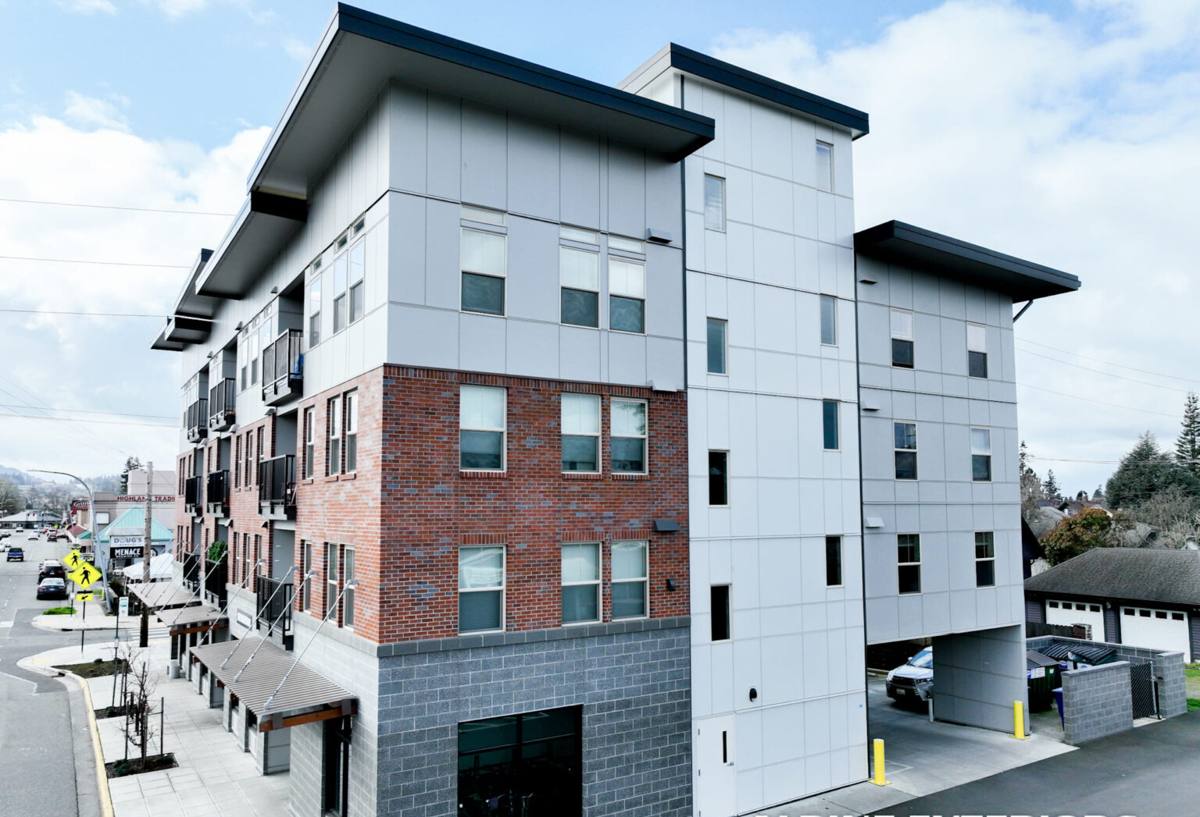
What Salt Air, Driving Rain, and Moss Do to Siding Over Time
Salt Air
Proximity to Puget Sound means airborne salt settles on every exterior surface, including siding. Salt is hygroscopic — it pulls moisture out of the air and holds it against whatever it's sitting on. On wood-based products, that means longer wet-dry cycles and faster paint failure. On metal fasteners and trim, it accelerates corrosion if the wrong hardware was used. Fiber cement doesn't absorb salt into its structure the way wood fiber does, which is one reason it holds up better in coastal exposure.
Driving Rain
Wind-driven rain off the water doesn't just fall on siding — it gets pushed sideways and upward into laps, seams, and butt joints that a calm-weather installation might get away with. Correct lap spacing, properly bedded caulking at joints, and a functioning drainage plane behind the siding matter more here than in a sheltered inland yard. A lot of premature siding failure we see isn't the material failing — it's water finding a gap that wasn't detailed correctly the first time.
Moss and Sustained Moisture
Western Washington's moss season runs long, and north-facing walls, shaded elevations, and areas near overhanging trees stay damp for weeks at a stretch. Moss and algae growth on siding is mostly cosmetic, but sustained dampness underneath growth can soften caulk, degrade paint film, and — on products sensitive to moisture — lead to swelling or delamination at edges and joints over time.
Why We Install Only James Hardie Fiber Cement in Oak Harbor
We made a decision as a company to install James Hardie fiber cement siding exclusively — not vinyl, not LP SmartSide, not cedar or primed spruce, not other fiber cement brands. That's not a marketing position; it's a practical one shaped by what holds up in this exact climate.
- It's non-combustible. Fiber cement doesn't contribute fuel to a fire the way wood-based products can, which matters for insurance conversations and peace of mind alike.
- It's climate-engineered. Hardie's HZ5 product line is formulated for regions with significant moisture exposure — freeze-thaw cycling, prolonged dampness, and coastal humidity — which describes Oak Harbor and the wider Salish Sea coastline well.
- ColorPlus factory finish. The color is baked on in a controlled factory process rather than field-applied, so it resists the fading and chalking that site-applied paint shows first in salt air.
- It doesn't swell, rot, or attract insects. Cellulose and wood-fiber products can absorb moisture at cut edges and joints over years of wet-dry cycling; cement-based siding doesn't behave that way.
- Warranty backing. Hardie's transferable warranty coverage is meaningful specifically because the product has a long, verifiable track record in wet coastal climates — not just a marketing claim.
We're not going to tell you every other product on the market is worthless — vinyl and engineered wood siding both have real markets and real advantages elsewhere. But for a Whidbey Island home taking on salt air, driving rain, and moss for decades at a stretch, we won't put our name on an installation using a product we don't believe will perform. That's why Hardie is the only thing we install.
What a Correct Installation Actually Involves
Tear-Off and Wall Inspection
Every re-side starts with removing the old siding down to the sheathing so we can actually see what's there — not guess. This is where hidden rot, failed flashing, or old moisture damage around windows and penetrations gets found and fixed before anything new goes up. Covering a problem with new siding doesn't solve it; it just hides it for a few more years.
Weather-Resistive Barrier and Drainage Plane
A correctly installed water-resistive barrier, lapped shingle-style so water sheds outward and down, is what actually keeps a wall dry — the siding itself is the second line of defense, not the only one. In a wind-driven-rain climate, we pay particular attention to how this barrier integrates with window and door flashing, since that's where most leaks originate.
Flashing and Trim Details
Head flashing above windows and doors, kick-out flashing where roof lines meet walls, and properly lapped Z-flashing at horizontal trim are the details that separate a siding job that lasts from one that leaks in five years. These aren't optional add-ons — they're part of installing to manufacturer spec.
Fastening and Lap Spacing
Hardie specifies fastener type, placement, and minimum lap spacing for a reason — get it wrong and you create stress points where the board can crack, or gaps where wind-driven rain gets pushed in. We install to those specifications, not to whatever's fastest.
Caulking and Sealant Joints
Butt joints, corners, and penetrations get sealant rated for exterior movement and UV exposure, applied at the specified joint width — not smeared over gaps as an afterthought.
Our Process, Start to Finish
- On-site assessment. We walk the exterior, check for existing moisture damage, and talk through what you're seeing and what's driving the decision to re-side.
- Written estimate. Scope, product line, color, and cost broken down clearly — no vague allowances.
- Tear-off and inspection. Old siding comes off, sheathing gets inspected, and any rot or damage gets addressed before new material goes up.
- Weather barrier and flashing installation. The part that actually keeps water out, done to spec.
- Hardie siding installation. Fastened, lapped, and joined per manufacturer specification.
- Final walk-through. We go over the finished job with you before calling it done.
Siding Options Compared for a Coastal Climate
| Factor | James Hardie Fiber Cement | Vinyl | Engineered Wood (LP-type) | Cedar / Primed Wood |
|---|---|---|---|---|
| Salt air / coastal exposure | Strong — non-organic, factory-finished | Fair — can become brittle over time | Moderate — resin-treated but wood-based | Weak without diligent upkeep |
| Driving rain / moisture | Strong when installed to spec | Moderate — depends on lap installation | Sensitive at cut edges and joints | Sensitive — needs regular sealing |
| Fire behavior | Non-combustible | Combustible, can melt/deform | Combustible | Combustible |
| Finish longevity | Factory ColorPlus, long fade resistance | Color molded in, can fade/chalk | Field or factory paint, repaint cycles | Field paint/stain, frequent recoating |
| Typical maintenance | Low — occasional wash, recaulk joints | Low — but cracks/warps with age | Moderate — inspect edges, repaint | High — stain or paint every few years |
This isn't a claim that every alternative is unusable — it's why, weighing these trade-offs against this specific climate, we standardized on one product system rather than offering all of them.
What Drives Installation Cost
| Cost Factor | Why It Matters |
|---|---|
| Home size and wall complexity | More corners, gables, and dormers mean more cutting, flashing, and labor time |
| Extent of tear-off and repair | Hidden rot or old moisture damage found during tear-off adds material and labor |
| Product line and profile | Lap width, texture (smooth vs. cedar-shake style), and panel vs. board format affect material cost |
| Trim and accessory scope | Corner boards, window trim, and soffit work are often bundled with a re-side |
| Access and site conditions | Height, landscaping, and staging room affect labor time |
We don't quote a number until we've actually seen the house — anything else is a guess, and guesses on siding jobs tend to be wrong in the homeowner's favor right up until the invoice.
Signs Your Oak Harbor Home May Need New Siding
- Visible cracking, warping, or soft spots when you press on the siding
- Paint that's peeling, bubbling, or chalking heavily, especially on north- or west-facing walls
- Persistent moss or algae growth that returns quickly after cleaning
- Gaps opening up at butt joints, corners, or around windows
- Rising energy bills that suggest the wall assembly isn't sealing the way it should
- Visible rot or staining on trim boards or at the base of walls
- Siding that's original to a home built more than 20-25 years ago
Why a Crew That Already Works Oak Harbor Matters
Siding installation isn't a generic skill applied identically everywhere. A crew that regularly works Oak Harbor and the surrounding Whidbey Island and Anacortes-area coastline already knows which walls take the worst of the wind-driven rain, how long moss season really runs here, and what level of flashing detail actually holds up against salt air over years, not just through the first winter. That's the difference between a crew reading a manufacturer's install guide for the first time and one that's already applied it, house after house, in this exact climate. We're not driving in from out of the area to bid a job and disappear — this is the coastline we work.
If you're considering new siding for a home in Oak Harbor, we'd be glad to take a look and give you a straightforward, no-pressure estimate — no obligation, just an honest read on what your home needs and what it would take to do the job right. The form below gets you started.