 Anacortes
 New Roof Installation for Sedro-Woolley Homes
Sedro-Woolley sits inland from the salt water, up the Skagit Valley along Highway 20, but it gets no break from the weather that defines this part of Washington. The same marine storm systems that soak Anacortes and the rest of Skagit County push rain up the valley too, and the heavier tree canopy around Sedro-Woolley properties adds its own problem: shade, needle litter, and moisture that never quite dries out between storms. A roof here has to handle sustained wind-driven rain for months at a stretch, plus the moss and algae growth that comes with shaded, tree-lined lots. We're an Anacortes-based crew that works this whole area regularly, and a correctly installed roof in Sedro-Woolley looks a little different than one built for a drier climate — more attention to underlayment, flashing, and ventilation, less reliance on the shingle alone to keep water out.
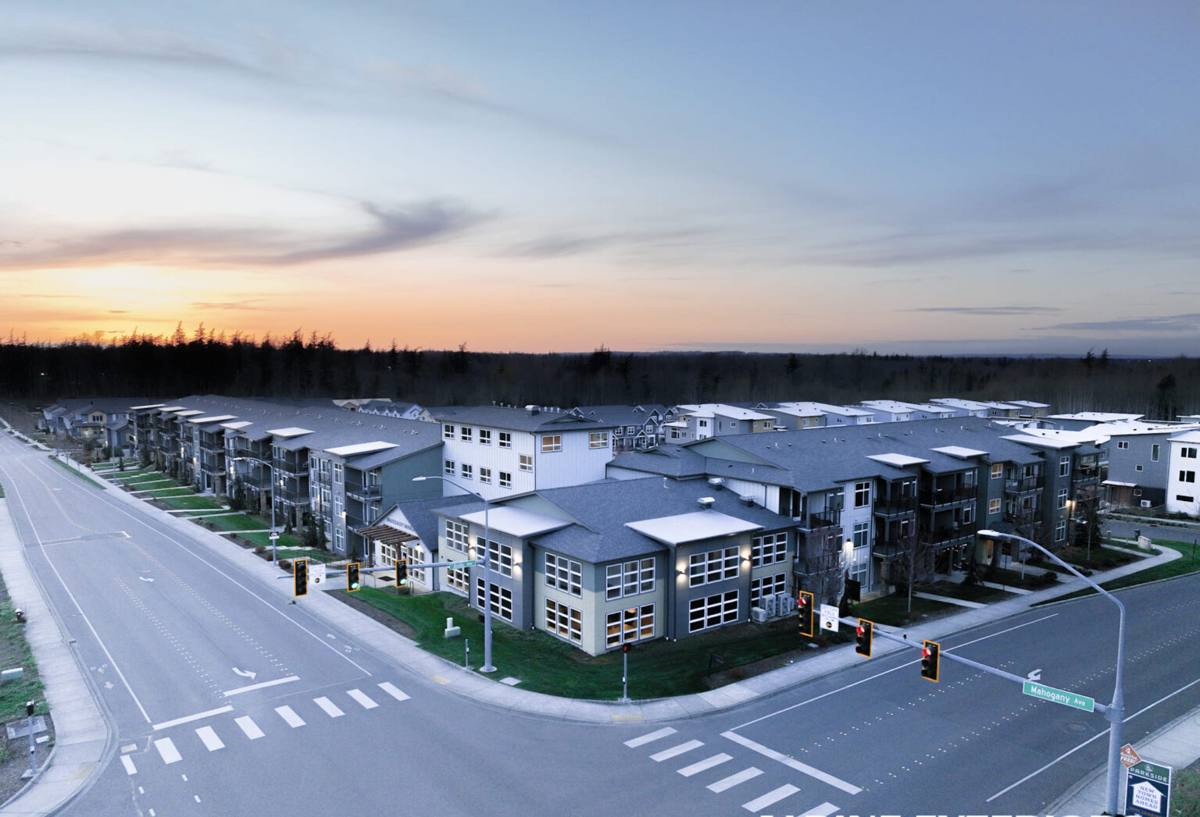
Signs a Sedro-Woolley Roof Needs Replacing, Not Just Patching
Not every roof problem calls for a full tear-off. But in this climate, small issues compound fast if they're ignored, because trapped moisture doesn't get the chance to dry out the way it might in a sunnier region. Here's what usually tips a roof from "repairable" into "replace it" territory:
- Granule loss heavy enough that you're finding grit in the gutters every time you clean them
- Shingles that are cupping, curling, or cracking, especially on south- and west-facing slopes
- Moss that keeps coming back within a season or two of cleaning, which usually means it's rooting under the shingle tabs, not just sitting on top
- Soft spots or sagging in the roof deck when walked, which points to rot underneath
- Daylight visible through the attic sheathing, or water stains on the underside of the roof deck or ceiling drywall
- A roof that's simply past its material's expected service life and has never been fully inspected from the top
If a roof is under about 10 years old and the deck is sound, a repair or partial re-roof is often the honest answer. We'll tell you that if it's true — a full replacement isn't the right call just because a roof is showing its age cosmetically.
Choosing a Roofing Material for This Climate
Material choice matters more here than in drier parts of the state, because the roof spends a much larger share of the year wet. Cost, appearance, and longevity all factor in, but so does how a material handles standing moisture, moss growth, and repeated freeze-thaw cycling in a wet valley winter.
| Material | Typical Lifespan | Moss / Moisture Behavior | Notes for Sedro-Woolley |
|---|---|---|---|
| Standard 3-tab asphalt shingle | 15–20 years | Prone to moss colonization on shaded slopes; algae-resistant granules help but fade over time | Lowest upfront cost; shortest realistic lifespan in this climate |
| Architectural (dimensional) asphalt shingle | 25–30 years | Thicker mat sheds water better; algae-resistant (AR) versions with copper or zinc granules slow regrowth | Best balance of cost and performance for most homes here |
| Standing-seam metal roofing | 40–50+ years | Sheds moss and standing water almost entirely; smooth surface gives algae little to grip | Higher upfront cost, but very low maintenance on heavily shaded lots |
| Cedar shake | 20–30 years with upkeep | Attractive but absorbs moisture and needs regular treatment to resist rot and moss in a wet valley climate | We're honest with clients that shake requires more ongoing maintenance here than in a drier climate |
For most Sedro-Woolley homes, we recommend an architectural shingle with algae-resistant granules as the default — it's a proven, cost-effective match for the local climate. Metal is worth serious consideration on heavily shaded lots where moss has been a repeat problem, since a smooth metal surface simply gives moss less to hold onto.
Zinc and Copper Strips
On shingle roofs with a history of moss, we'll often recommend a zinc or copper strip installed near the ridge. Rain washing over the strip carries trace metal ions down the roof slope, which discourages moss and algae growth on the courses below. It's a small addition at install time that can meaningfully extend the interval between cleanings on a shaded roof.
What a Correct New Roof Installation Actually Involves
A roof is only as good as what's underneath the shingles. Most roof failures we see in Skagit County trace back to shortcuts in the layers you never see once the job is done — not the shingle brand. A proper installation includes:
- Full tear-off to the deck, not an overlay — installing new shingles over old ones traps moisture and hides deck problems
- Inspection of the roof deck itself, with any rotted or delaminated sheathing replaced before anything goes back down
- Ice and water shield membrane at eaves, valleys, and around every penetration — the areas most exposed to wind-driven rain and ice damming
- A synthetic underlayment across the full deck, which handles wind-driven rain far better than old-style felt paper
- Proper nailing pattern and fastener placement per the manufacturer's specification — this is what most warranty claims come down to
- New flashing at every wall intersection, chimney, skylight, and valley — reused old flashing is one of the most common causes of early leaks
- Balanced intake and exhaust ventilation, so the attic can actually dry out between storms instead of holding moisture against the deck
- Corrosion-resistant fasteners and flashing metal, since humid marine air degrades cheap galvanized hardware faster here than it would inland in a drier state
- A full site cleanup, including a magnetic sweep for stray nails
Every one of these steps is invisible once the job is finished. That's exactly why it matters who's doing the work — a roof that looks fine from the ground can still be missing half of this list.
Our Process, Start to Finish
1. Inspection and Estimate
We walk the roof, not just look at it from the driveway. That means checking the deck, flashing, ventilation, and any problem areas before we write up a scope of work. You get a clear, written estimate with no pressure to sign on the spot.
2. Material Selection
We'll walk through the options that make sense for your roof's exposure, slope, and budget, including trade-offs like the ones in the table above. If a lower-cost option is genuinely the right call for your situation, we'll say so.
3. Permitting
Roof replacements typically require a permit through the applicable local jurisdiction. We handle that paperwork as part of the job so it's not something you have to chase down yourself.
4. Tear-Off and Dry-In
Old roofing comes off down to the deck, the deck gets inspected and repaired as needed, and the roof is dried in with underlayment the same day whenever possible — we don't like leaving a roof open overnight in this climate if it can be avoided.
5. Installation
Shingles, flashing, and ventilation components go in per manufacturer spec, with attention to the details — valleys, penetrations, ridge — that determine whether a roof lasts 15 years or 30.
6. Final Walkthrough and Cleanup
We do a final inspection, clean the site including a nail sweep, and walk the finished roof with you before calling the job done.
Permits, Timing, and Working Around Skagit County Weather
Roof replacements in Skagit County generally require a building permit, and scheduling around weather is a real part of planning the job — not just a formality. A shingle roof needs a stretch of dry weather to install correctly, and in the Skagit Valley that means we watch forecasts closely and plan tear-offs so a roof isn't left exposed longer than necessary. Late spring through early fall tends to offer the most reliable install windows, though we work through the shoulder seasons too when the forecast cooperates. If your roof is actively leaking and can't wait for ideal weather, we can also do a temporary dry-in or repair to stop damage while a full replacement gets scheduled properly.
Why an Anacortes Crew That Already Works Sedro-Woolley Matters
Roofing crews that only occasionally work this far up the valley tend to treat every job like it's their first exposure to this climate. We're not guessing at how much ventilation a Skagit County attic needs, or whether a given shingle line actually holds up under repeated wet-dry cycling here — we see the results on roofs we've installed and maintained across the area, from Anacortes out through Sedro-Woolley. That familiarity shows up in small decisions: which fastener grade we default to, how we detail valleys on steep, tree-shaded slopes, and when a moss problem calls for zinc strips versus a material change altogether. It also means a crew that's genuinely local, not a regional outfit passing through, and one you can call again years later if a question comes up about the roof we installed.
If you're weighing a repair against a full replacement, or just want an honest read on what your roof needs, we're happy to take a look. Fill out the form below for a free, no-pressure estimate — we'll tell you what we actually see on your roof, not just what sells a job.