 Anacortes
 La Conner's Waterfront Climate Is Hard on Siding
La Conner sits right on the Swinomish Channel, and that waterfront location shapes what siding actually needs to survive here. Homes get a steady dose of salt-laden air off the water, wind-driven rain that finds every gap and seam, and long stretches of gray, damp weather that make moss and algae a year-round battle rather than a seasonal one. Add in the humidity that settles over the Skagit Valley for weeks at a time, and you have a climate that punishes any siding product with weak points at the seams, fasteners, or paint film.
This isn't a climate where "good enough" siding holds up for its full rated life. It's a climate where the difference between a correctly installed, climate-appropriate siding system and a shortcut job shows up in five to ten years as swelling, staining, soft spots, and premature repainting. For La Conner homeowners, siding is one of the few building components doing constant, unglamorous work against salt, moisture, and moss — and it deserves to be treated that way.
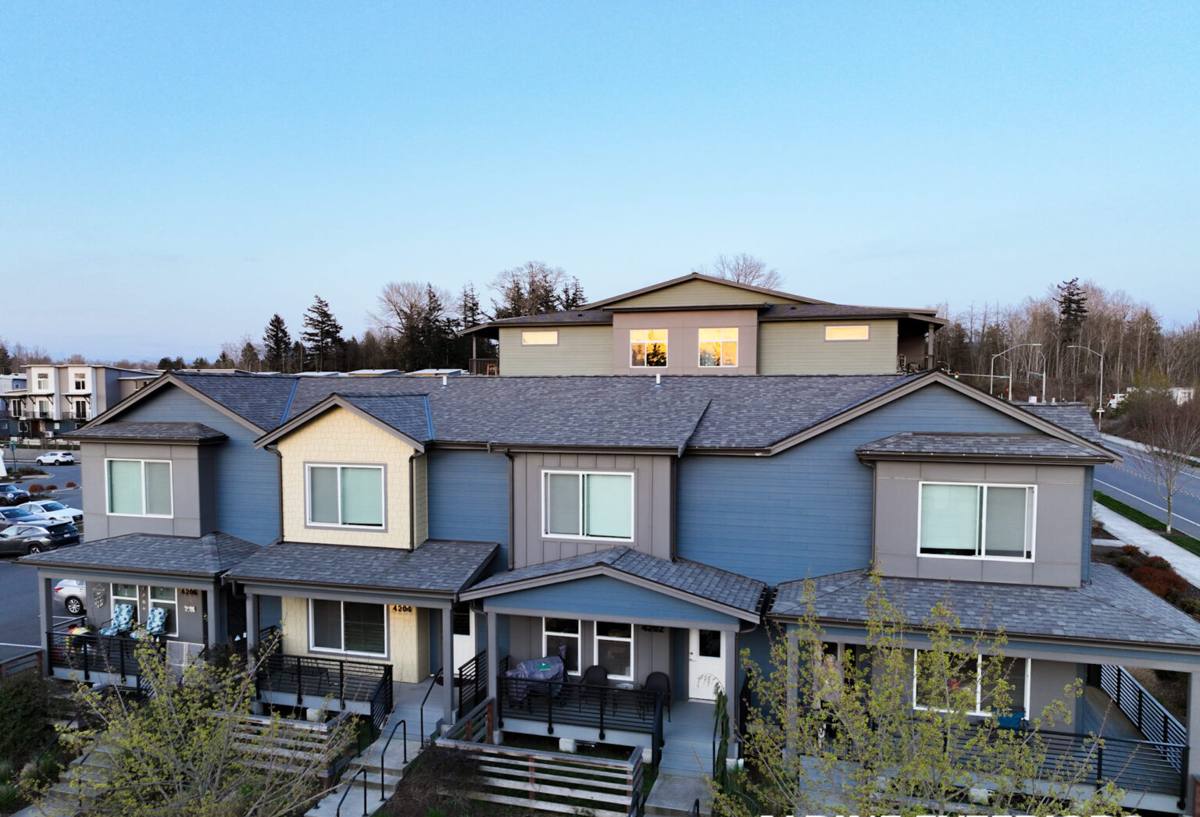
Why James Hardie Is the Right System for This Climate
We install James Hardie fiber cement siding exclusively, and La Conner is exactly the kind of environment that decision was made for. Fiber cement doesn't absorb water the way wood-based products do, it won't rot, and it doesn't feed the moss and algae that thrive in constant coastal dampness the way some organic-based siding materials can. Combined with a correctly installed water management system behind it, that gives La Conner homes a siding assembly built for the actual conditions on the ground, not just a mild-climate average.
The HZ5 Line and Why Zone Matters
James Hardie engineers its siding by climate zone, and homes in this part of Washington fall into the HZ5 zone — the line formulated for wetter, cooler, moisture-heavy regions like the Pacific Northwest. That matters more than most homeowners realize: a fiber cement product engineered for a dry Southwest climate and one engineered for a Puget Sound-adjacent, marine-influenced climate are not the same product under the hood, even if they look similar in a brochure. Installing the zone-correct HZ5 product is a baseline requirement we don't treat as optional.
ColorPlus Factory Finish vs Field-Painted
Most of what we install carries Hardie's ColorPlus factory finish rather than being field-painted after installation. That finish is baked on in a controlled factory process, which gives it more consistent coverage and better fade and moisture resistance than a coat of paint applied on-site in variable weather. In a climate where UV, salt air, and rain all work against a paint film, starting with a factory finish rather than relying entirely on field painting is one more layer of protection working in the homeowner's favor.
What a Correct James Hardie Installation Involves
The siding panel itself is only part of the system. In a wet, salt-air climate like La Conner's, what happens behind and around the panels matters just as much as the panels themselves — and it's where a lot of installation shortcuts do the most long-term damage.
Moisture Management Behind the Siding
A correct installation starts with a continuous weather-resistant barrier, properly lapped and taped, behind the siding — not just stapled up as an afterthought. Flashing at windows, doors, and every horizontal trim transition needs to actually shed water outward rather than trap it against the wall sheathing. Rainscreen gaps or furring, where called for, let any moisture that does get behind the panel drain and dry instead of sitting against the substrate. Skip any of this and you can have brand-new siding on the outside with a slow moisture problem building underneath it.
Fastening, Gaps, and Caulking
James Hardie specifies exact fastener types, spacing, and placement, along with required gaps at butt joints and corners to allow for expansion and drainage. Those specs exist for a reason — get them wrong and you invite cracking, water intrusion, or fastener corrosion, which is a real concern this close to salt air. Caulking and sealant get used at the specific joints Hardie's install guide calls for, not as a blanket fix for gaps that should have been detailed correctly in the first place.
Our Process for La Conner Projects
We approach every La Conner project the same methodical way, adjusted for what we find on that specific house:
- On-site assessment of the existing siding, sheathing, and any moisture or rot issues, with particular attention to areas exposed to prevailing wind and rain off the channel
- Removal of old siding and inspection of the wall sheathing underneath, repairing or replacing any compromised material before anything new goes up
- Installation of a continuous, properly lapped weather-resistant barrier and correct flashing at every penetration and horizontal transition
- Installation of the HZ5 James Hardie product line to manufacturer specification for fastening, gapping, and clearances
- Final detail work — trim, caulking at specified joints, and a walkthrough so the homeowner understands what was done and why
Cost Factors for a La Conner Hardie Siding Project
Every project is different, but the same handful of variables drive most of the cost difference between jobs in this area:
| Factor | Why It Matters Here |
|---|---|
| Condition of existing sheathing | Coastal moisture exposure means hidden rot repair is more common and adds labor before siding can even start |
| Home size and wall complexity | More corners, dormers, and trim transitions mean more flashing detail and labor time |
| Siding profile and finish selection | Lap width, shingle-style panels, and trim board choices affect material and labor cost |
| Access and site conditions | Waterfront lots, tight lots, and older foundations can affect scaffolding and staging needs |
| Scope: full replacement vs. partial | Full tear-off allows correct water management from the studs out; partial work has more limitations |
We walk through these factors on-site before giving a number, because a quote that doesn't account for what's actually behind the existing siding isn't a useful quote.
Why Hire a Crew That Already Works in La Conner
La Conner is a small, tight-knit waterfront community, and homes here often come with older construction, tight lots, and site conditions that differ from a typical inland subdivision. A crew that regularly works in this part of Skagit County already understands how to stage a job on a waterfront or narrow lot, what local permitting expects, and how much the salt air and moisture load actually affect a job compared to working further inland. That local experience shows up in fewer surprises mid-project and a finished install that's detailed for the conditions the house will actually face, not generic conditions from a different climate.
It also means a shorter drive for warranty follow-up, a walkthrough, or a quick question after the job is done — not a crew that installed a few jobs in the area once and moved on.
Signs Your Current Siding Needs Attention
Homeowners in La Conner should keep an eye out for these warning signs, especially on walls facing prevailing wind and rain off the channel:
- Soft or spongy spots when you press on the siding, especially near the bottom courses
- Persistent moss or algae growth that comes back quickly after cleaning
- Peeling, bubbling, or chalky paint that needs repainting more often than every several years
- Visible gaps, cracked caulking, or warped boards at corners and trim
- Musty smells or staining on interior walls that share an exterior wall with visible siding issues
- Siding that was field-painted and is showing uneven fading or wear across different wall faces
Any one of these on its own might be minor. Several together, especially on a wall exposed to the water, usually means it's worth having someone look at what's happening behind the siding, not just the surface.
Maintenance After Installation
Correctly installed James Hardie siding is low-maintenance, not no-maintenance. In La Conner's climate, that means an occasional gentle rinse to keep salt residue and moss spores from building up, a visual check of caulked joints every year or so, and prompt attention if a joint ever looks compromised after a bad storm. It's a small amount of upkeep compared to what wood-based or vinyl siding typically demands in this same environment, but it's not zero, and staying on top of it is what lets the siding reach its full service life.
If you're weighing a siding project for a La Conner home, we're glad to come take a look, walk the exterior with you, and give you an honest read on what your home actually needs — no pressure, no obligation. The estimate form below is the easiest way to get started.