 Anacortes
 Deck Replacement Built for La Conner's Waterfront Climate
La Conner sits right on the Swinomish Channel, which means homes here take on a version of Skagit County weather that's a notch harsher than what you'll find a few miles inland. Salt-laden air off the channel, driving rain that comes in sideways during winter storms, and a moss season that seems to stretch from October into May all work against an aging deck. If your deck is more than 15-20 years old, or if you've been patching boards and re-sealing every spring just to keep it standing, replacement is usually the more honest answer than another round of repairs.
We've worked on homes throughout La Conner and the surrounding Anacortes area long enough to know which deck problems are cosmetic and which ones mean the structure underneath is compromised. This page walks through what a deck replacement actually involves here, what materials hold up, and how we run the project from first look to final walkthrough.
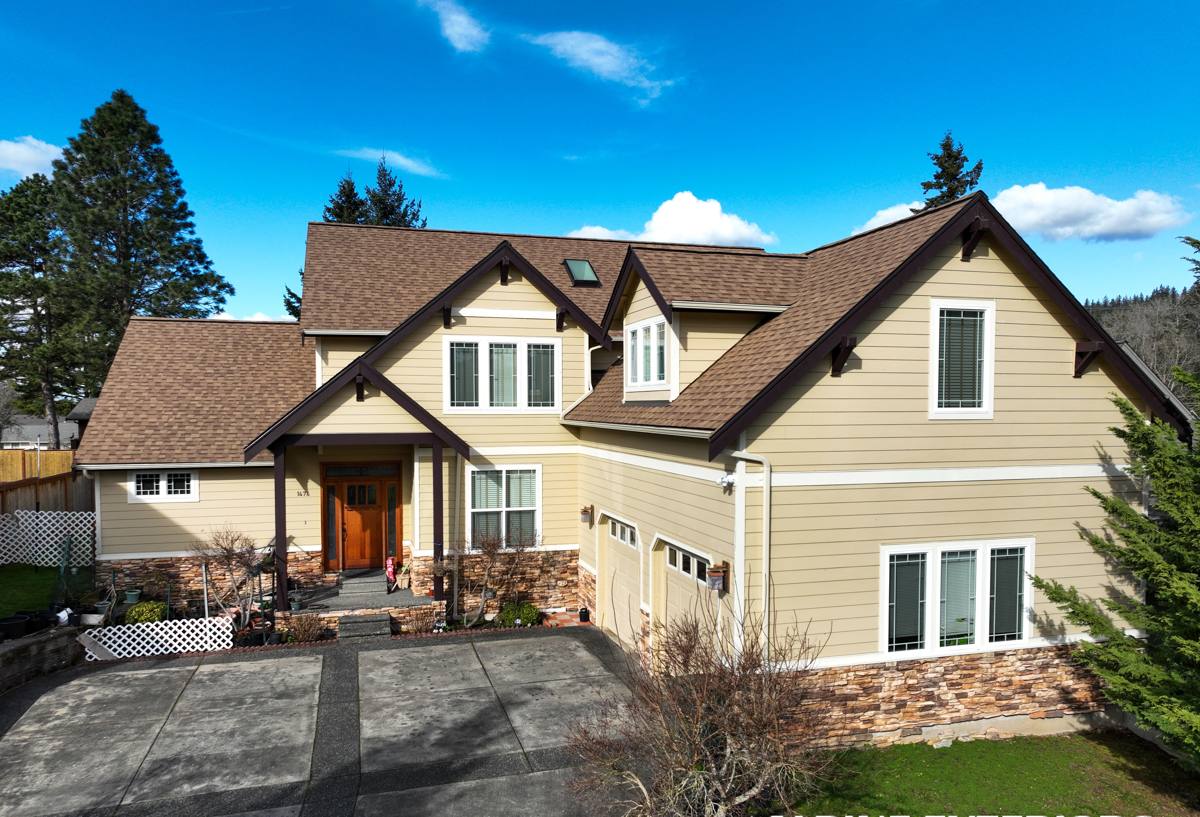
Why Decks Fail Faster Near the Channel
A deck built the same way in Spokane or even Mount Vernon won't age the same way a deck does a few hundred feet from tidal water. Three things are working against La Conner decks specifically:
- Salt air corrosion. Standard deck screws, joist hangers, and bolts corrode faster near the channel. Once fasteners start rusting, they lose grip strength long before the wood around them looks bad, which is why a deck can feel "soft" or springy even when the boards look fine.
- Moss and algae buildup. Skagit County's wet season keeps horizontal wood surfaces damp for days at a stretch. Moss holds that moisture against the board, and boards that stay wet longest are the first to rot from the top down, not just underneath.
- UV and rain cycling. Even with our relatively mild summers, the repeated wet-dry cycle checks and cups wood fibers over the years, opening up cracks that let water in deeper each season.
None of this means a deck near La Conner is doomed early — it means the materials and fasteners need to be chosen with that environment in mind, not just picked off a shelf because they're standard.
Signs Your Deck Has Crossed From "Repairable" to "Replace"
- Joists or beams that feel spongy or give slightly when you walk near the rim
- Fastener heads that are rusted, popped up, or leaving dark streaks down the boards
- Ledger board separating from the house, or visible gaps where it meets the siding
- Railing posts that wiggle at the base — often a sign the post base or blocking has rotted
- More than a third of the decking boards cupped, splitting, or soft to a screwdriver test
- Persistent moss regrowth within weeks of cleaning, which usually means the wood underneath is staying damp
If you're only seeing one or two of these, targeted repair may still make sense. Once you're looking at three or more, full replacement is almost always the better long-term value, because you stop paying to patch a structure that's already failing.
What a Correct Deck Replacement Includes
A deck replacement is more than swapping old boards for new ones. Done right, it means evaluating and often rebuilding everything the decking sits on:
1. Structural Assessment
Before anything comes off, we check the ledger board attachment, footings, posts, beams, and joists. In this climate, footings that were poured without proper drainage can shift over time, and ledger flashing that wasn't installed correctly is one of the most common hidden failure points we find on older homes near the channel.
2. Framing and Fasteners
Any joists, beams, or posts showing rot or corrosion damage get replaced — not sistered or patched. We use corrosion-resistant, code-rated hardware and fasteners rated for the exposure this area sees, because standard hardware is one of the first things to fail near salt air.
3. Flashing and Ledger Detail
Where the deck attaches to the house is the single most important waterproofing detail on the entire structure. Proper flashing here keeps water from working its way behind your siding and into the wall assembly — this is also where deck work and siding work overlap, and it's a detail worth getting right the first time.
4. Decking Material Installation
Boards get installed with proper spacing for drainage and expansion, and fastened with a system matched to the material (hidden fasteners, coated screws, or manufacturer-specified clips).
5. Railings and Stairs
Post bases, baluster spacing, and stair stringers are brought up to current code, which matters both for safety and for resale — older decks built to outdated code standards can complicate a home sale or insurance renewal.
Choosing the Right Decking Material for La Conner
There's no single "best" decking material for every home — it depends on your budget, how much maintenance you're willing to do, and how close you are to the water. Here's how the common options actually compare in this climate:
| Material | Salt Air / Moisture Performance | Maintenance | Typical Lifespan |
|---|---|---|---|
| Pressure-treated wood | Good if properly sealed and re-sealed regularly; entry-level cost | Annual cleaning and re-sealing recommended | 10-15 years |
| Cedar | Naturally rot- and insect-resistant, but still needs sealing near the channel | Sealing every 1-2 years, moss cleaning | 15-20 years |
| Composite decking | Excellent — doesn't absorb moisture or rot; some early-generation products can trap moss if not cleaned | Occasional washing, no sealing | 25-30+ years |
| PVC decking | Best moisture and salt resistance; fully synthetic | Lowest — occasional washing only | 30+ years |
We don't push one product on every homeowner. Wood costs less up front and has a natural look a lot of people want, but it demands real upkeep in this environment — skip a season of sealing and you'll see it. Composite and PVC cost more initially but largely remove the maintenance burden, which matters if your deck sits in a spot that's hard to keep dry. We'll walk through the honest trade-offs for your specific deck's exposure and sun/shade pattern before you commit.
Our Deck Replacement Process
- On-site assessment. We inspect the existing deck's framing, footings, ledger attachment, and current condition, and take measurements for an accurate quote.
- Material walkthrough. We go over decking, railing, and hardware options based on your budget and how you actually use the space.
- Permitting. Most deck replacements in Skagit County require a permit, especially if the footprint, height, or structure changes. We handle this as part of the project.
- Demolition. Old decking, railings, and any compromised framing are removed and hauled off.
- Framing and structural work. Footings, posts, beams, and joists are repaired or replaced, and ledger flashing is corrected if needed.
- Decking, railing, and stairs installed. Built to current code with fasteners and hardware suited to a marine-influenced climate.
- Final walkthrough. We check the finished deck with you before calling the job done.
Cost Factors to Expect
Every deck is different, so we'd rather give you a real number after seeing your project than a generic estimate that won't hold up. That said, these are the main factors that move the price:
| Factor | Why It Matters |
|---|---|
| Deck size and shape | Multi-level decks, angled cuts, and wraparounds take more labor and material than a simple rectangle |
| Decking material chosen | Pressure-treated wood costs the least upfront; composite and PVC cost more but need far less upkeep |
| Framing condition | If footings or major structural members need replacing, that adds cost beyond surface-level decking |
| Height and railing requirements | Taller decks and code-required railings/stairs add labor and material |
| Permit and inspection requirements | Structural changes typically require permitting, which adds time and a modest fee |
| Site access | Waterfront lots and tight side yards can add labor time for material staging and removal |
Why It Matters to Hire a Crew That Already Works in La Conner
A contractor who mostly builds decks in drier inland climates may not think twice about standard fasteners or skip extra flashing detail at the ledger — and in most of the country, that's fine. Near the Swinomish Channel, those shortcuts show up as rust streaks and soft framing within a few years, not a few decades. We work throughout Anacortes and the surrounding Skagit County area regularly enough to know which details actually matter here: corrosion-resistant hardware, proper ledger flashing, and decking choices that account for months of damp, mossy weather rather than a handful of dry summer weekends.
We also carry insurance and pull the required permits, so you're not left exposed if an inspection turns up an issue down the road, or if you go to sell the home and a buyer's inspector asks about deck history.
Maintaining Your New Deck
Whatever material you choose, a little seasonal upkeep goes a long way in this climate:
- Sweep leaves and debris off the deck regularly in fall — trapped debris holds moisture against boards
- Clean moss and algae off horizontal surfaces at least once a year, ideally before it gets a foothold
- Check railing posts and stair connections annually for movement or loosening
- If you chose wood, re-seal on the schedule recommended for that species — don't wait until it looks dry and gray
- Keep gutters and downspouts clear so runoff isn't dumping extra water directly onto the deck
Get an Honest Look at Your Deck
If your La Conner deck is showing its age — soft spots, rusted fasteners, moss that won't quit — we're happy to come take a look and give you a straight answer on whether repair still makes sense or replacement is the smarter move. Request a free, no-pressure estimate using the form below and we'll walk you through your options.