 Anacortes
 Why Skyline Homes Need a Different Approach to Windows
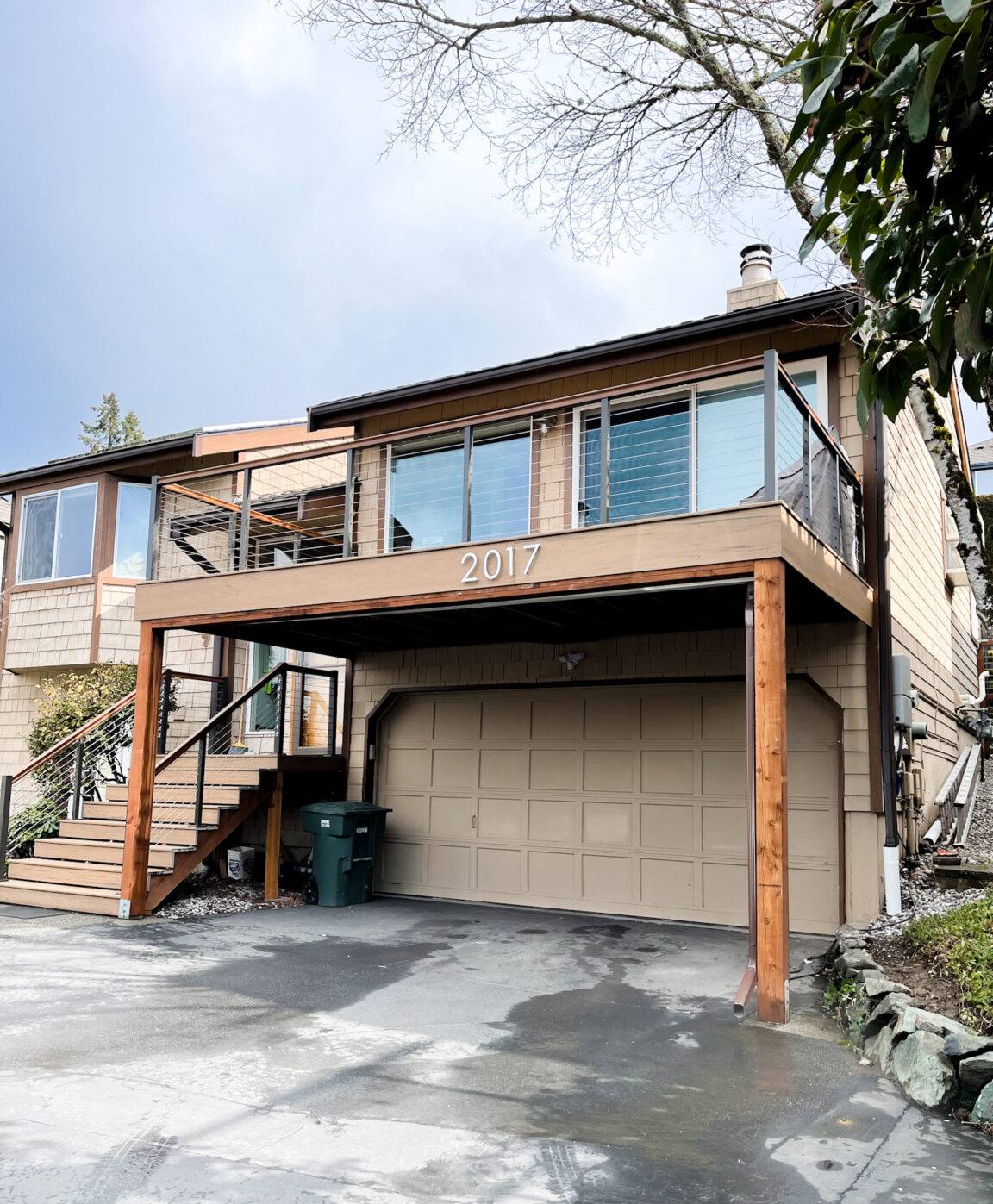
Skyline sits up and out toward the water, which is exactly what makes it a desirable place to live and exactly what makes its windows work harder than windows almost anywhere else in Anacortes. Elevation means more wind exposure. Proximity to the water means salt-laden air settling on glass, frames, and hardware nearly year-round. And the long, wet stretch of the Skagit County calendar — the driving rain in fall and winter, the low, damp, moss-friendly months in between — means any weak point in a window's seal or flashing eventually shows up as a stain, a draft, or soft trim below the sill.
None of that is unusual for this part of Washington. But it does mean a window job that would hold up fine in a sheltered inland lot can fail early on a view-oriented, wind-exposed property. The right window, installed the right way, accounts for that from the start rather than getting patched later.
What the Local Climate Actually Does to Windows
Salt Air and Corrosion
Airborne salt is hard on metal. Aluminum frames, cheap hardware, and unprotected fasteners corrode faster near the water, and corroded hardware is one of the most common reasons a window stops sealing and closing properly. This is a material and hardware selection issue as much as an installation one — some frame materials simply hold up better in a coastal air environment than others.
Driving Rain
Wind-driven rain doesn't just hit a window head-on; it gets pushed sideways and upward under trim and behind siding if there's any gap in the flashing detail. A window can look properly caulked from the outside and still be taking on water at the sill or head flashing. This is where most "mystery leaks" actually start.
Moss and Moisture Cycling
Skagit County's long damp season keeps north-facing and shaded elevations wet for extended stretches. Moss doesn't just grow on roofs — it colonizes window sills, trim, and any horizontal surface that stays damp, and it holds moisture against wood and composite materials longer than open sun exposure would. Good drainage detailing and material choice reduce how much of a foothold moss gets in the first place.
Temperature Swings and Condensation
Anacortes doesn't see extreme cold, but the marine layer produces steady humidity and frequent temperature differentials between inside and outside glass. Poorly rated windows condensate on the interior, which over years contributes to sill rot and mold at the frame edges — a slow problem, not a dramatic one, but a real one.
Choosing the Right Window for a Skyline Property
There's no single "best" window — there's a best window for this site, this exposure, and this budget. A few factors matter more here than they would on a sheltered inland lot:
| Frame Material | Salt Air / Corrosion | Maintenance | Insulation Value | General Cost Tier |
|---|---|---|---|---|
| Vinyl | Does not corrode; UV-stable formulations hold color well | Low — occasional cleaning | Good, especially multi-chamber profiles | Lower to mid |
| Fiberglass | Excellent — highly resistant to salt and moisture | Low | Very good; dimensionally stable in temperature swings | Mid to higher |
| Aluminum | Poor without marine-grade coatings; prone to pitting and hardware corrosion near water | Higher — coatings need monitoring | Lower unless thermally broken | Mid |
| Wood / Wood-Clad | Vulnerable where cladding is breached; interior wood needs protection from condensation | Highest — periodic refinishing, moisture checks | Good | Higher |
For most Skyline homes, vinyl or fiberglass frames make the most sense given the salt exposure — they don't corrode, and they don't need the ongoing maintenance that wood or unclad aluminum demand in this air. Wood-clad windows can still work well on the interior side where the look matters, as long as the cladding and flashing detail are done correctly so moisture never reaches the wood core.
Glass Performance Ratings That Matter Here
Look at the NFRC label, not marketing language. In this climate, the two numbers worth focusing on are:
- U-factor — how well the window resists heat loss. Lower is better for our cool, wet climate; this is the number most tied to winter comfort and heating cost.
- SHGC (Solar Heat Gain Coefficient) — how much solar heat passes through. Skyline's view-facing homes often carry more west and water-facing glass, so a moderate SHGC can help balance winter solar gain against summer overheating on those elevations.
Double-pane, low-E, argon-filled units are the practical standard for this area. Triple-pane can make sense on particularly exposed or noise-sensitive elevations, but it adds weight and cost that isn't always justified once you've already got a good double-pane, low-E package.
What a Correct Installation Actually Involves
The window unit itself is maybe half the job. The other half — the part that determines whether it's still performing in ten years — is the installation detail:
- Removing old units without damaging the surrounding sheathing or weather-resistant barrier
- Inspecting the rough opening for existing rot or moisture damage before anything new goes in
- Installing a proper sill pan to direct any incidental water back outside instead of into the wall
- Flashing the head, jambs, and sill in the correct shingle-lap sequence so water sheds down and out, never up and in
- Integrating new flashing with the existing weather-resistant barrier and siding, not just caulking over the gap
- Using corrosion-resistant fasteners and hardware appropriate for a salt-air environment
- Sealing and insulating the gap between the window frame and rough opening — a gap that's overfilled or underfilled both cause problems
- Confirming the unit is plumb, level, and square before final fastening, so the sash operates and seals correctly for years, not just on install day
Skip any one of these steps and the window itself doesn't matter much — water and air find the shortcut.
Our Process for Skyline Window Projects
1. On-Site Assessment
We look at each opening individually — exposure direction, existing flashing condition, any sign of past water intrusion around the sill or trim — rather than treating every window on the house the same way. A window on a sheltered wall and one on a wind-exposed, water-facing wall don't always need identical treatment.
2. Product Recommendation
We walk through frame material and glass package options against your budget and each opening's exposure, and explain the trade-offs honestly rather than pushing one product line. If a lower-maintenance option makes more sense for a given elevation, we'll say so.
3. Removal and Opening Prep
Old units come out carefully, and we check the rough opening for hidden rot or moisture damage before installing anything new. This step gets skipped by contractors in a hurry, and it's the single biggest predictor of whether a new window job lasts.
4. Flashing and Installation
Sill pan, head and jamb flashing, and integration with the existing wall assembly are done in the correct sequence, with materials suited to a salt-air, high-rain environment.
5. Final Check and Cleanup
We confirm every unit operates smoothly, seals tight, and is finished cleanly inside and out before we call the job done.
Permits and Local Requirements
Window replacement in the City of Anacortes can require a permit depending on scope — particularly if the rough opening size is changing or if the work is part of a larger exterior project. We handle that coordination as part of the job so it isn't something you have to chase down separately.
Why Local Experience on Skyline Specifically Matters
A crew that's worked homes in this neighborhood already knows which elevations catch the worst of the wind-driven rain, how much the salt air shortens the life of unprotected hardware, and where moss tends to build up fastest given the terrain and tree cover. That's the difference between a window install that's technically correct on paper and one that's actually built for the specific conditions of this street, this exposure, this house. It also means fewer surprises during the job — we're not guessing at what a Skyline rough opening typically looks like behind the trim.
Maintaining Energy-Efficient Windows in This Climate
- Rinse salt residue off frames and glass periodically, especially on water-facing elevations
- Check weep holes and drainage tracks each fall so they're clear before the heavy rain sets in
- Keep an eye on caulking and sealant lines around trim — UV and moisture cycling break these down faster here than in drier climates
- Clear moss or debris buildup from sills and horizontal trim before it holds moisture against the material
- Operate hardware periodically through the year so mechanisms don't seize from disuse and moisture
None of this is difficult, but it's the kind of upkeep that gets forgotten until a window starts sticking or a stain shows up below the sill — at which point it's usually a bigger fix than it needed to be.
Get an Honest Look at Your Windows
If you're dealing with drafts, fogged glass, sticking sashes, or just want to know whether your current windows are holding up the way they should on a Skyline lot, we're glad to take a look. Request a free, no-pressure estimate below and we'll give you a straight assessment of what's going on and what it would take to fix it right.