 Anacortes
 Roof Repair Built for the Edison Climate
Homes in and around Edison sit in one of the wetter corners of Skagit County, close enough to the water to catch salt-laden air off Padilla Bay and Samish Bay, and squarely in the path of the long, gray rainy season that defines this part of Washington. That combination is hard on roofs. Salt air accelerates corrosion on exposed metal fasteners and flashing. Driving rain off the water finds every weak seam, nail pop, and worn shingle edge. And the shade from mature trees that makes this area beautiful also keeps roof surfaces damp for months at a time, which is exactly what moss needs to take hold.
A roof repair here has to account for all three of those pressures at once, not just patch the spot that's leaking. We've built our repair process around what actually happens to roofs in this specific environment, not a generic checklist written for a drier climate.
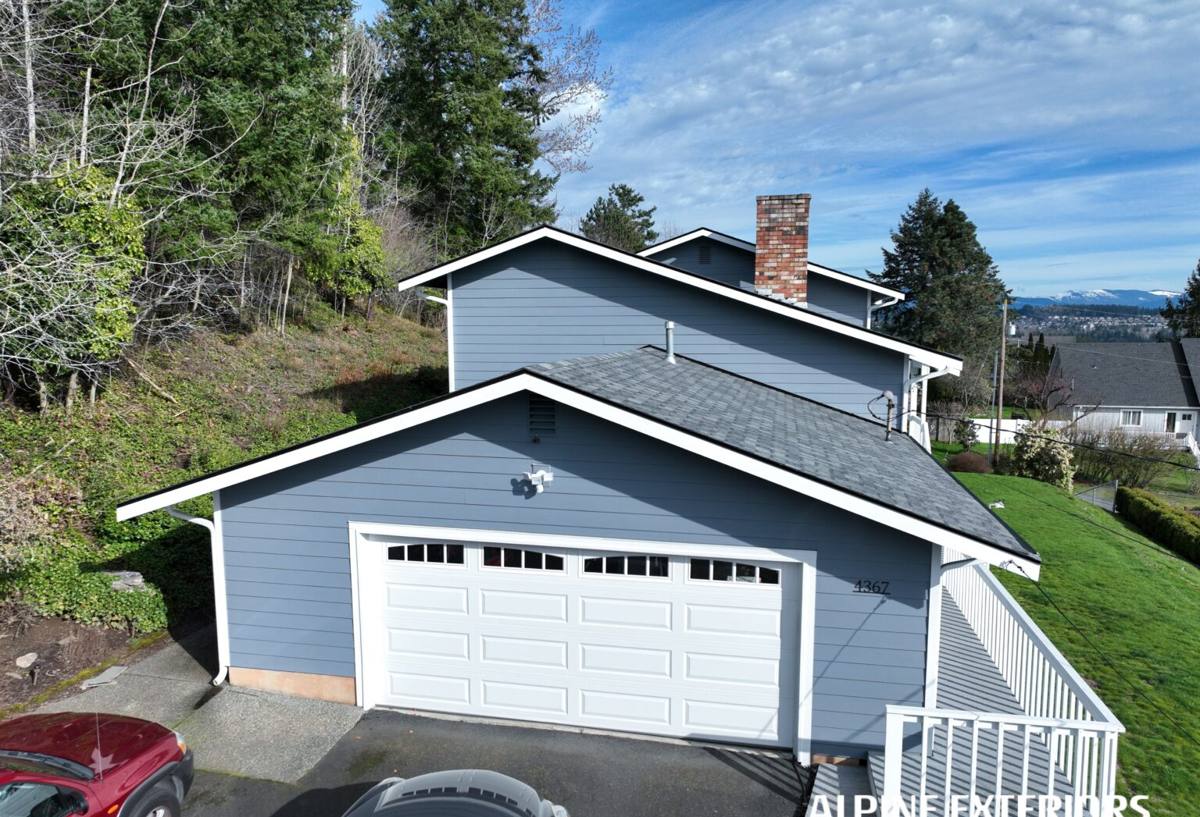
What "Correct" Roof Repair Actually Means
A lot of roof repairs fail within a year or two because they treat the symptom instead of the cause. A shingle gets replaced, but the underlying decking is already soft. A leak gets sealed with caulk, but the flashing that should have stopped the water in the first place is never addressed. Real repair work starts with figuring out why the roof failed, not just where.
Diagnosis Before Repair
Before any material comes off the roof, we identify the actual failure point. Water rarely leaks straight down from where it enters — it travels along the underlayment, decking, or framing until it finds a gap, so a stain on a ceiling inside the house doesn't always sit directly under the roof problem. We trace the path, check the surrounding shingles, flashing, and decking condition, and only then decide what needs to come out and what can stay.
Matching Materials, Not Just Colors
Patched sections need to match the existing roof in more than just color. Shingle weight, exposure, and nailing pattern all affect how a patch performs in wind and rain. A repair that looks fine from the ground but uses a lighter-weight shingle or the wrong nailing pattern will be the first thing to fail in the next windstorm.
Common Roof Problems We See on Edison-Area Homes
The table below covers the issues we run into most often on homes in this part of Skagit County, along with what typically causes them and how we address each one.
| Problem | Common Cause | Typical Fix |
|---|---|---|
| Moss buildup on north-facing slopes | Persistent shade and moisture retention | Careful moss removal, zinc or copper strip installation, targeted treatment |
| Leaks around chimneys or vents | Aged or improperly flashed penetrations | Flashing removal and reinstallation with proper step and counter-flashing |
| Corroded fasteners and flashing | Salt air exposure near the water | Replacement with corrosion-resistant fasteners and flashing metals |
| Lifted or missing shingles | Wind-driven rain and storm exposure | Shingle replacement with matching material, re-sealing of tabs |
| Soft or spongy decking | Long-term moisture intrusion through a small leak | Decking replacement in the affected section before re-roofing that area |
| Granule loss and thinning shingles | Age combined with sustained wet-dry cycling | Assessment of remaining roof life; repair now, plan for replacement timing |
Our Repair Process, Start to Finish
Every repair follows the same sequence, whether it's a single flashing fix or a multi-area patch job:
- Inspection. We walk the roof and the attic space where accessible, looking for the source of the problem and any secondary damage it may have caused.
- Written scope. You get a clear explanation of what's wrong, what we recommend, and why — including honest input if a repair isn't the right long-term answer.
- Debris and moss removal. Any moss, needles, or organic buildup near the work area gets cleared so we're working on a clean, dry surface and so trapped moisture isn't sealed back in.
- Removal of damaged material. Only the affected shingles, underlayment, or decking come out — we don't over-remove healthy roofing just to pad the job.
- Repair of the underlying structure. Any soft decking or damaged framing is addressed before new material goes down, since covering a weak deck just hides the problem.
- Flashing and underlayment work. Flashing around chimneys, vents, valleys, and walls is inspected and replaced where it's failed, not just resealed on top of old metal.
- New material installation. Matching shingles or roofing material go in with proper nailing and sealing for wind and rain resistance.
- Final walkthrough. We review the completed work with you and point out anything worth watching going forward.
Repair vs. Replace: How We Help You Decide
Not every roof problem needs a full replacement, and not every leak can be permanently solved with a patch. The right call depends on the roof's age, how much of it is affected, and what's happening underneath the surface. The table below outlines the general factors we weigh.
| Factor | Leans Toward Repair | Leans Toward Replacement |
|---|---|---|
| Roof age | Under roughly two-thirds of expected material lifespan | Near or past expected lifespan for the material |
| Extent of damage | Isolated to one section or penetration | Spread across multiple slopes or recurring in different spots |
| Decking condition | Solid, dry decking under the damaged area | Widespread soft spots or rot found during inspection |
| Granule loss / wear | Localized wear near the repair area | Uniform thinning and granule loss across the whole roof |
| Moss and moisture history | First significant moss issue, manageable with cleaning | Chronic moss return with visible underlayment damage |
We'll always tell you honestly which side of that line your roof falls on. A repair that's likely to fail again within a season isn't a good use of your money, and we'd rather say so upfront.
Moss, Salt Air, and the Long Wet Season
Three regional factors show up in almost every repair call we get from homes near Edison, and it's worth understanding how each one works.
Moss
Moss doesn't just sit on the surface — its root structures work into shingle granules and seams, lifting edges and holding moisture against the roofing material long after the surrounding area has dried. Left alone through a full wet season, moss can shorten the useful life of a shingle roof significantly. Removal has to be done carefully; aggressive scraping or pressure washing can strip granules and cause the exact damage you're trying to prevent.
Salt Air
Homes closer to Padilla Bay and Samish Bay deal with airborne salt that accelerates corrosion on metal roofing components — nails, flashing, and vent stacks in particular. Over years, that corrosion can create tiny gaps where water gets in long before a homeowner notices any visible damage.
Driving Rain
Western Washington's rain isn't always straight-down rain. Wind off the water frequently drives it sideways, which pushes moisture into gaps that would stay dry in a calmer climate — under shingle tabs, around loose flashing, and into any seam that isn't fully sealed. Repairs in this area need to account for wind-driven rain, not just standing water.
Materials and Standards We Hold To
We use materials and methods chosen for how they hold up in this specific climate, not just what's cheapest to install:
- Corrosion-resistant fasteners and flashing metals suited to coastal air exposure
- Properly lapped and sealed underlayment at every repair seam
- Step and counter-flashing reinstalled to code around chimneys, walls, and vent penetrations
- Zinc or copper moss-control strips where recurring moss is a documented issue
- Shingle or roofing material matched to existing exposure and nailing pattern
- Careful, low-impact moss and debris removal that protects granule integrity
We're upfront when a particular product or shortcut isn't something we'll install — usually because it creates a maintenance burden down the road, behaves poorly with prolonged moisture, or is sensitive enough during installation that a small mistake causes an outsized problem later. Our standard is what will actually perform through another Skagit County winter, not just what looks finished on installation day.
Why a Crew That Already Works Edison Matters
Roofing crews who mainly work drier inland areas, or who fly in from outside the region, don't always account for how differently roofs age near the water. A repair approach that's perfectly adequate in a low-moss, low-salt environment can fall short here within a year. Working regularly in and around Anacortes and greater Skagit County means we see how local roofs actually perform over time — which flashing details hold up, which materials handle the moss and salt exposure well, and which shortcuts show up as callbacks two winters later.
That local pattern recognition also speeds up diagnosis. When we're on an Edison-area roof, we already know what to check first given the tree cover, slope orientation, and proximity to the water — which means less time spent guessing and more time spent fixing the actual problem.
Simple Maintenance Between Repairs
A few habits between service visits go a long way toward stretching the life of a repair in this climate:
- Keep gutters clear so water isn't backing up under the roof edge, especially during fall leaf drop
- Trim back overhanging branches to reduce shade and debris buildup on north-facing slopes
- Have moss addressed early in the season rather than waiting until it's visibly thick
- Watch for granules collecting in gutters or downspouts, which can signal accelerating shingle wear
- After major windstorms, do a visual check from the ground for lifted or missing shingles
Getting a Straight Answer on Your Roof
If you're dealing with a leak, moss buildup, or damage from a recent storm on your Edison-area home, the first step is a clear, honest look at what's actually going on — not a sales pitch for the biggest job possible. We'll tell you plainly whether repair makes sense, what it involves, and what it costs, with no pressure either way. Use the form below to request a free estimate and we'll get back to you to schedule a time to take a look.